In early 2027, FIELD STATION is planning to host a Digital Sovereignty Unconference in Newcastle-upon-Tyne. Sign up here for updates and to get involved!
You got to, as they say, have a system. And one of mine is to, by default, wear shorts between April and September. That means today is the last day of default shorts-wearing in 2026, as we enter six months of much darker days here in the North East of England.
Doug is resuming his weekly updates, inspired by Ahmet Sabanci's Weird and Deadly Interesting blog, and will be publishing "weekstarters" that look both back and ahead. This week, Doug is preparing for a Mozilla Alumni gathering in Toronto and working on client projects, including helping INASP replace their organisational site. He is also looking forward to introducing a new tool called "Soundings" and has been enjoying various books, audiobooks, and music in his personal time.
Doug has created Carrot, a European voice assistant for the Rabbit r1, which allows users to interact with their device using voice commands. Carrot uses the European AI provider Mistral and is designed to be intuitive and private, with features such as reminders, to-do lists, and weather updates. The project aims to provide a TechFreedom-compliant alternative to traditional voice assistants, with a focus on data minimisation and user control.
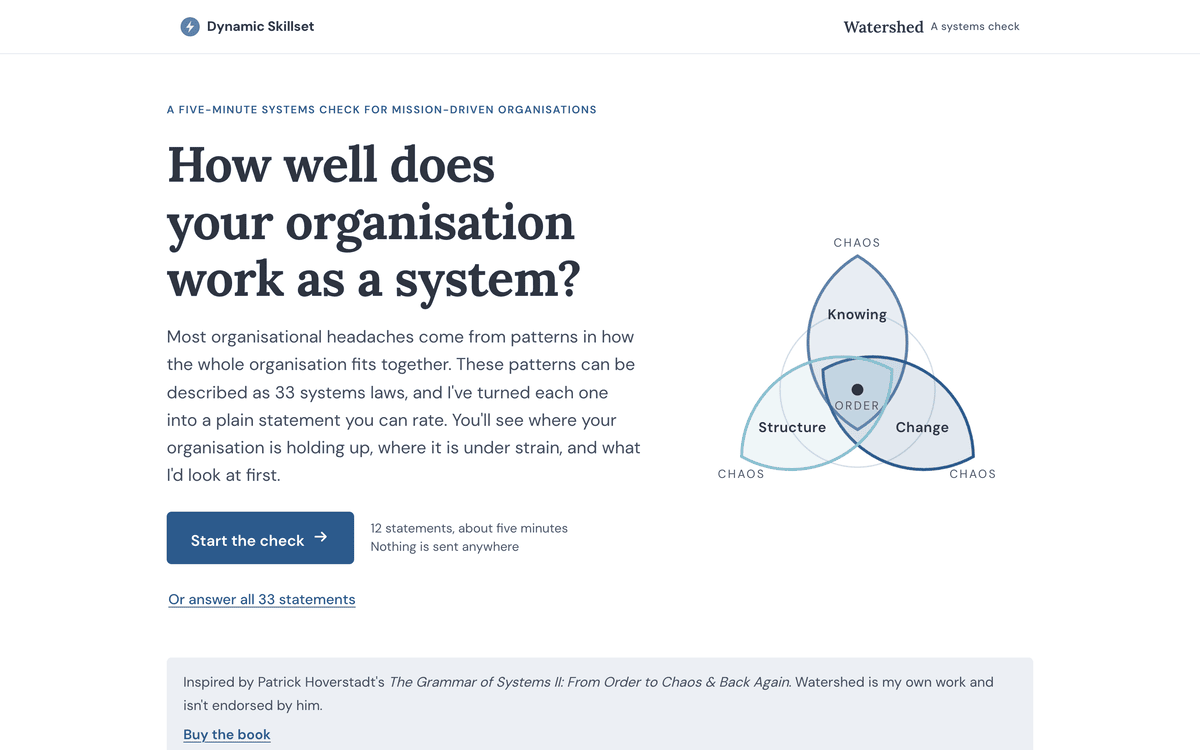
Doug has created Soundings, a free online self-assessment tool that helps organisations understand how to work systemically. The tool, which draws on Patrick Hoverstadt's The Grammar of Systems II, provides a quick scan of an organisation's systems and identifies patterns and areas for improvement. By using Soundings, organisations can gain a better understanding of their systems and identify where to start making changes to work more effectively.
Doug attended the second day of SCiO's annual conference, where he participated in sessions on Systems Thinking in Government and the Viable System Model. He found Patrick Hoverstadt's session on VSM to be particularly insightful, as it reframed the model around five key tensions rather than complicated diagrams. Doug also attended a session on 33 Systems Laws & Principles, which he found useful for understanding complex systems.
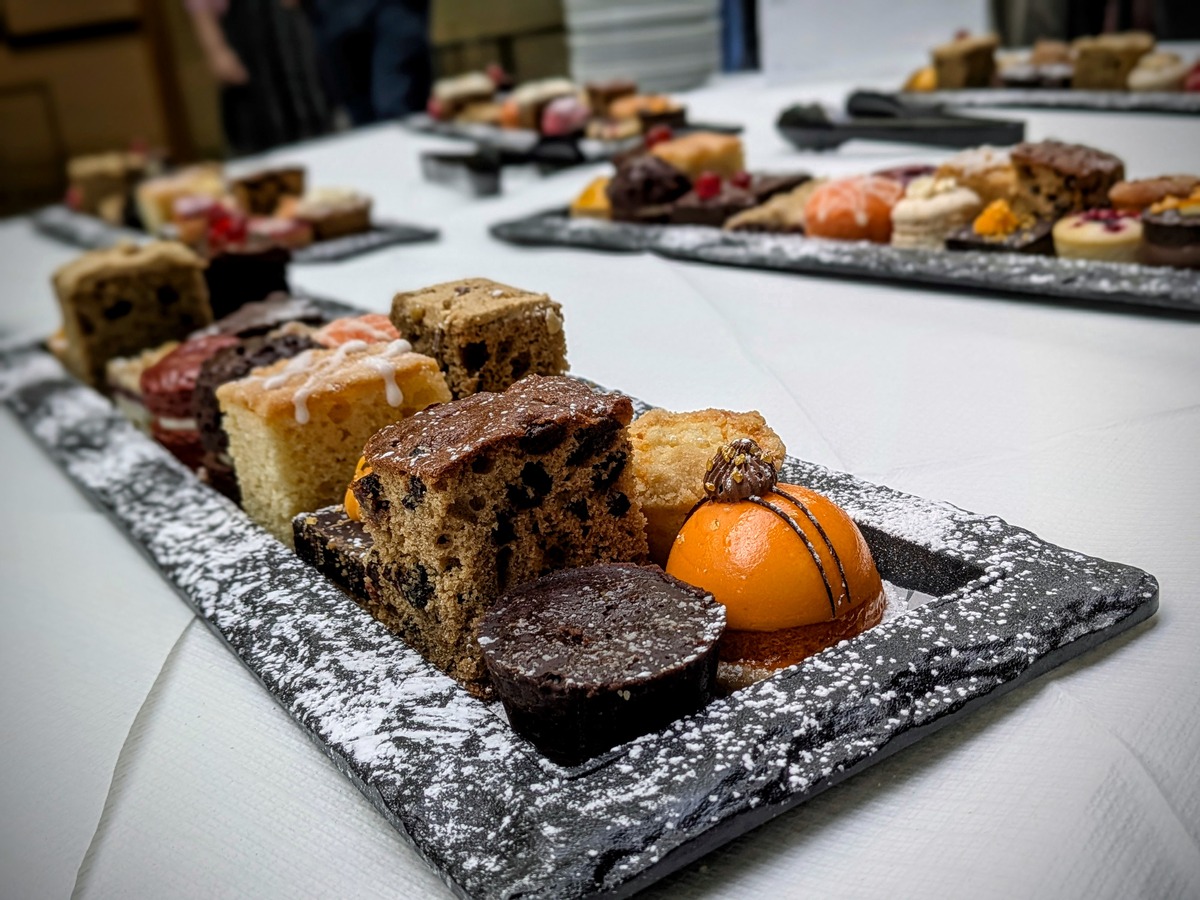
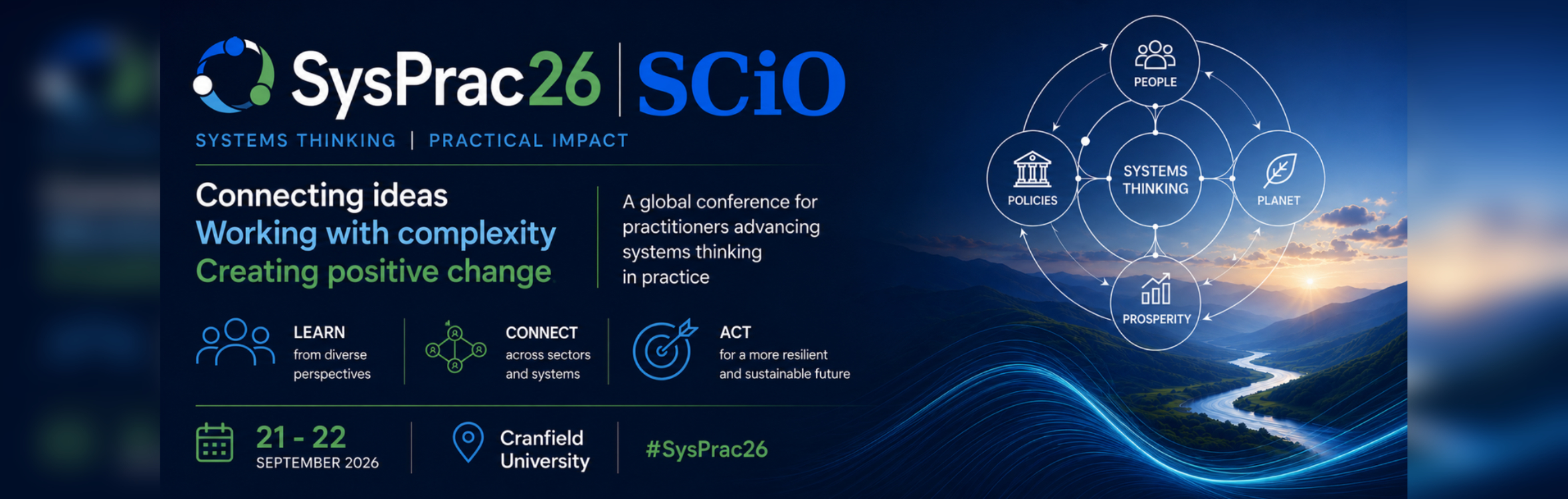
Doug attended the #SysPrac26 conference in Cranfield, where he was pleased to find a diverse and welcoming community of systems thinkers. The conference featured a range of sessions, including an opening panel discussion and workshops on De-Misting Critical Systems Heuristics and Multi-Methodology, which explored the use of multiple methodologies in systems thinking. Doug found the discussions and presentations to be intellectually stimulating and really tasty food was an added bonus.
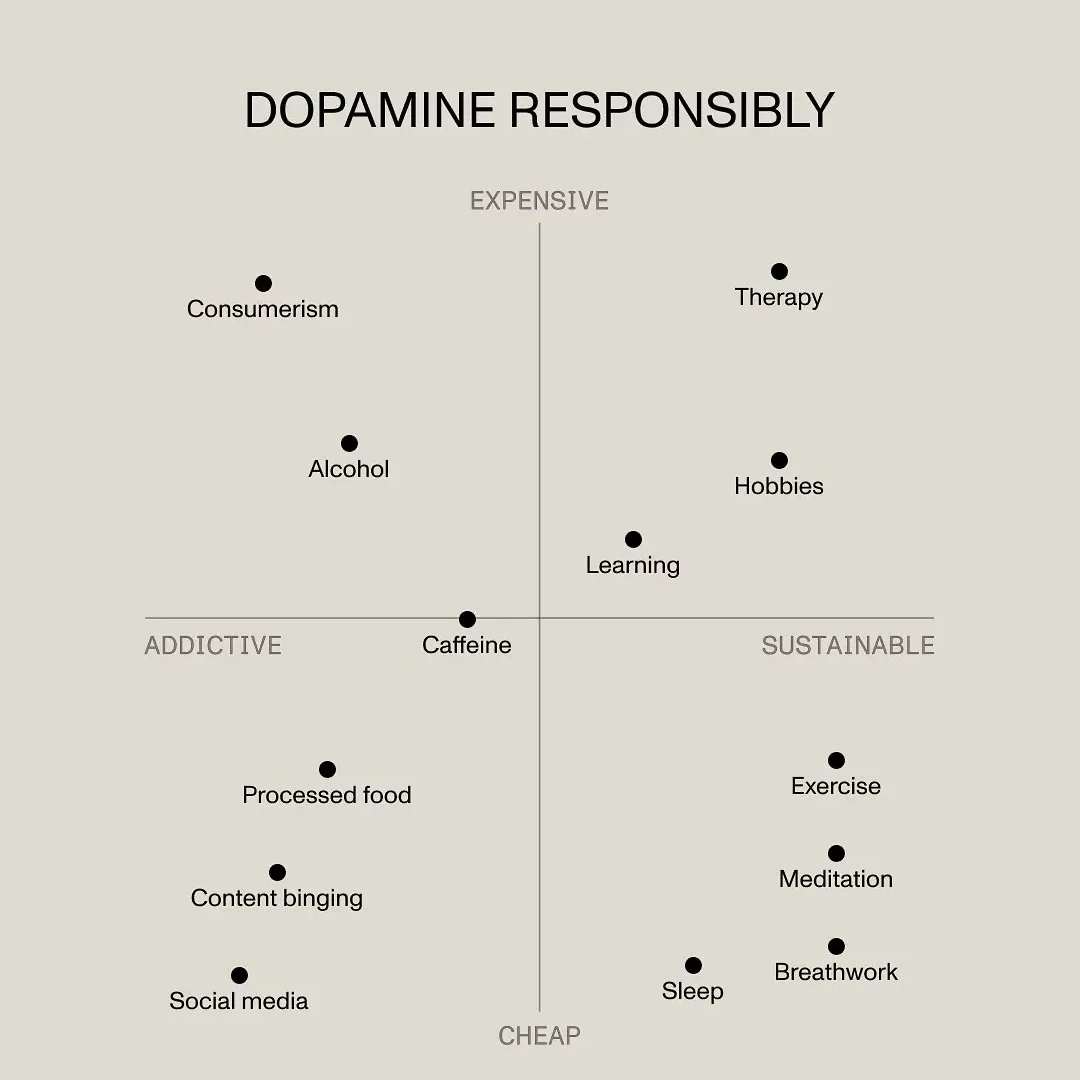
I love how simple and effective this 2x2 grid is. All it's doing is showing that there are many things we can do to satisfy our brain's need for dopamine, some of which are sustainable and cheap, and others that... aren't.
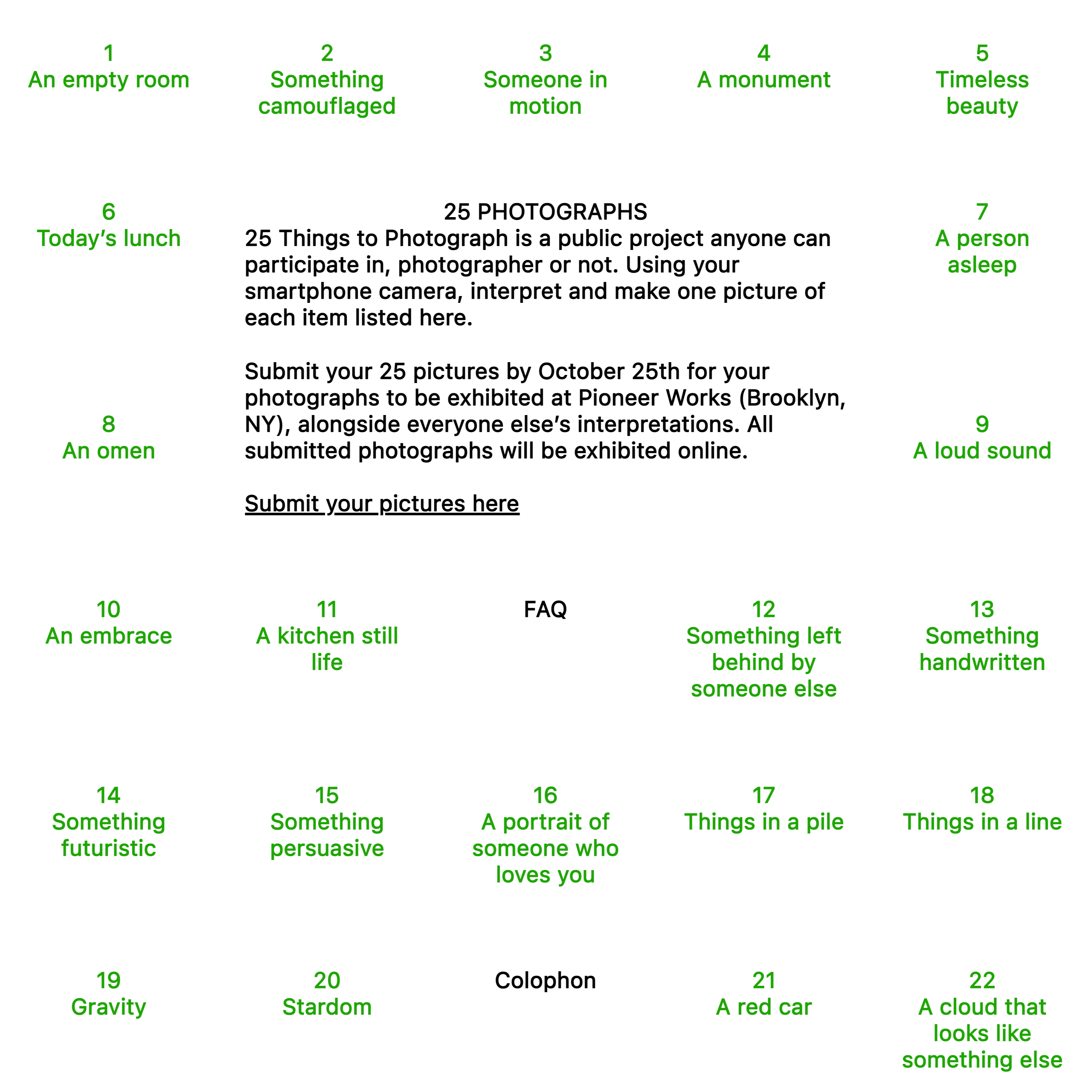
I take far fewer photos than I used to, which is ironic because the cameras on the phone in my pocket are the best I've ever had. Maybe something like this could help?
Note: the competition mentioned happened five years ago, and yes, the title of this post is a play on the name of Bad Bunny's excellent 2025 album)
There’s a sad irony when someone jettisons from social media, they’re gone from our Online worlds but I’m so happy for them. And I mourn what we don’t get to hear from them. We don’t get to hear about how wonderful they feel, how beautiful their skin is now, and how they restored their mental health. We don’t know if they make more money or less money. We don’t get further inspiration from them to leave the Online. But being able to observe the Offline from the Online might ruin the magic and mystery hidden there. It’s a door hidden in an old wardrobe that you have to pass through to fully understand.
Doug discusses how Big Tech and AI companies operate with impunity, highlighting a system where individuals and corporations are effectively "guilty until proven wealthy". He cites an article by Matt Stoller, which argues that the issue with AI is not a lack of regulation, but rather a failure to enforce existing laws against powerful entities. This dynamic is perpetuated by a broader elite consensus that prioritises the interests of the wealthy and powerful over the rule of law.
Doug notes that when technology like gigabit fibre becomes widespread, it often fades into the background as people become accustomed to its benefits. He draws a parallel between this and the potential future of AI, suggesting that its impact will be similarly transformative, even if its effects are not immediately apparent. As AI becomes more integrated into daily life, it is likely to enable significant changes that will be taken for granted in the future.
Doug discusses the new Apple Watch feature, Live Rewind, which allows users to recall the last 15 seconds of a conversation as a text snippet, and explores the potential implications for privacy and the recording of conversations. He notes that while Apple has implemented various measures to protect user privacy, the feature still raises concerns about the legibility and permanence of spoken words. Doug argues that the issue is part of a broader debate about the role of technology in society and the need for a public discussion about the impact of such features on our lives.
Doug discusses Jay Springett's zine, INTERNET OPERATOR, which explores the concept of identity and how it is co-created with an audience. Jay argues that identity can be understood through the equation Figure + Operator + Audience + Apparatus = The animation of an identity, and that this applies to both human and non-human entities, such as AI personas. Doug reflects on the implications of this idea, including the relationship between our online and offline selves, and the tension between authenticity and the curated personas we present online.
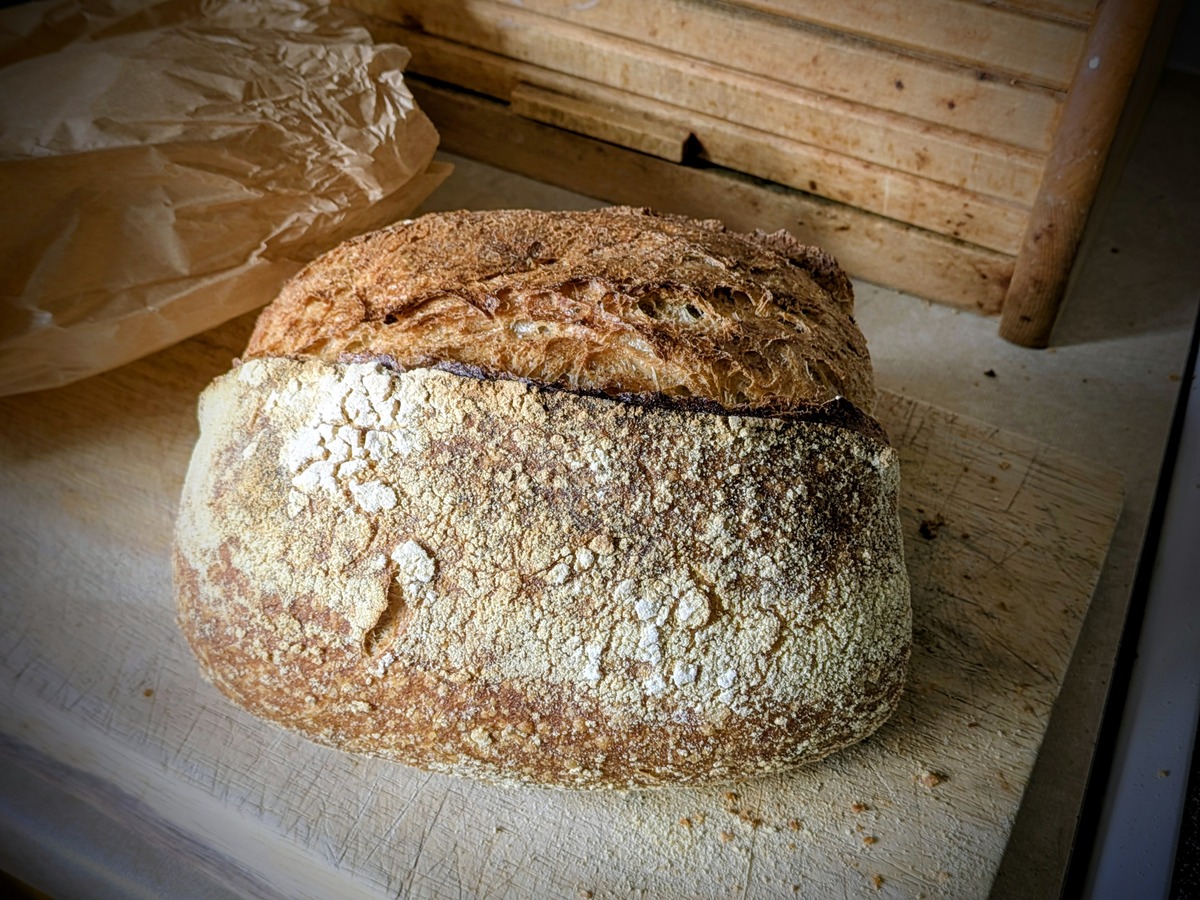
We ought to observe also that even the things which follow after the things which are produced according to nature contain something pleasing and attractive.
For instance, when bread is baked some parts are split at the surface, and these parts which thus open, and have a certain fashion contrary to the purpose of the baker's are, are beautiful in a manner, and in a peculiar way excite a desire for eating.
Doug discusses the frustration of being mis-cited in academic articles, where authors often rely on summaries rather than his actual work, leading to misinterpretations. He criticises the use of his ideas in a paper that presents a bar chart as an objective measure of digital literacies, which he finds offensive. Doug argues that this highlights the limitations of academic journals as a gold standard.
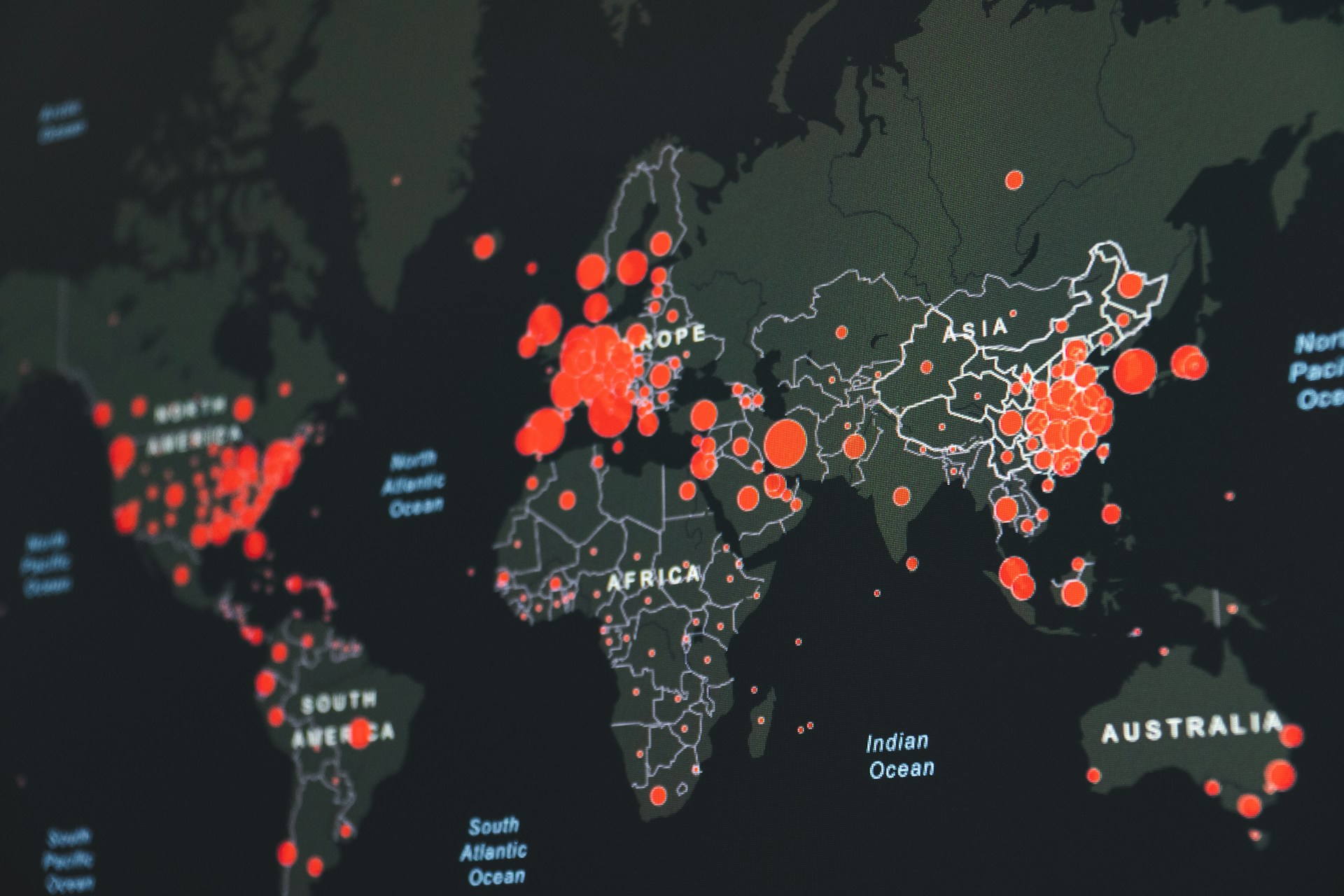
Doug discusses the unlikely event of AI-engineered superviruses causing widespread harm, citing expert Claus Wilke's views on the matter. According to Wilke, fundamental laws of physics and biology limit the potential of AI-designed viruses, making it unlikely they could be both highly lethal and contagious. Doug notes that the real concerns should be focused on preventing outbreaks of existing diseases, such as COVID and measles, through good public health practices and basic research.
It's now 16 years since I've been in the classroom, but you never really get out of the mindset of being a teacher. As one mug I saw put it "Teachers don't get old, they just lose their class" 😅
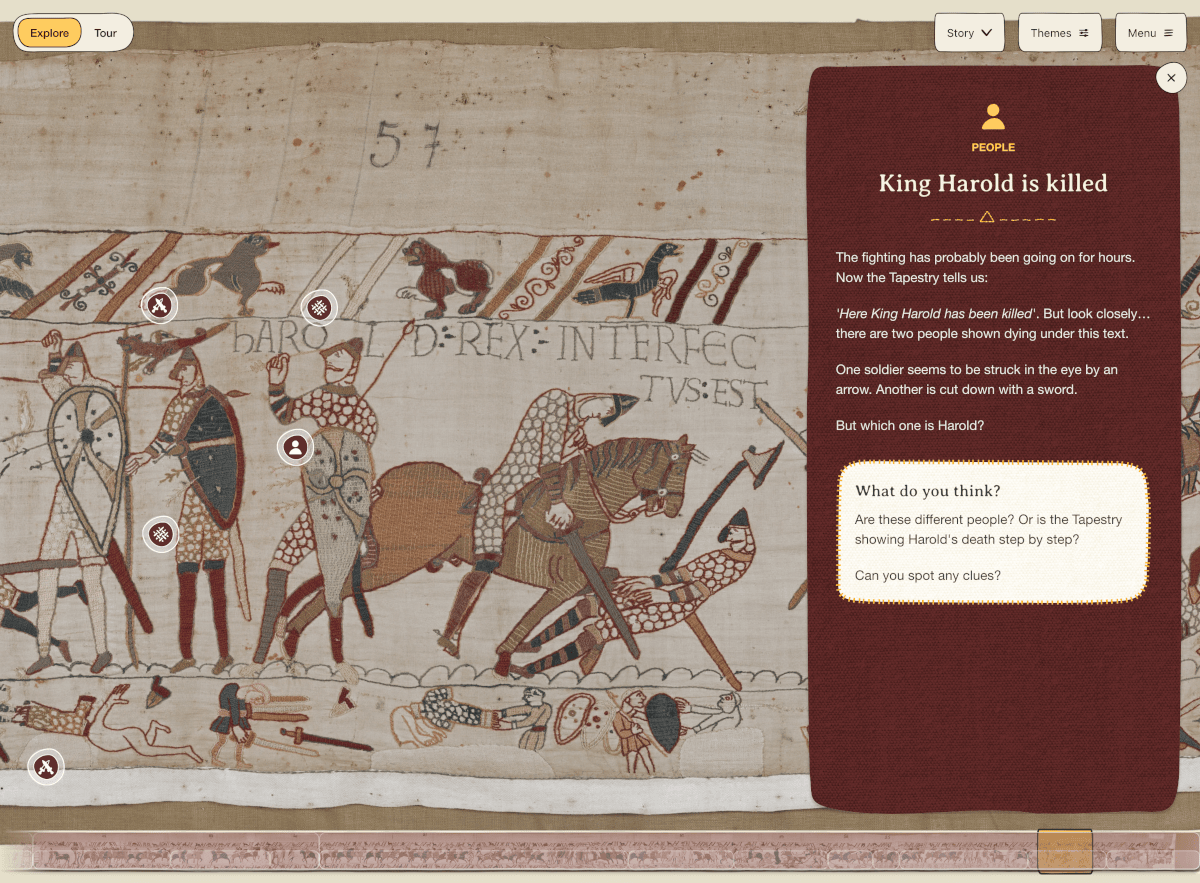
I loved teaching History, and particularly 1066 and the Battle of Hastings. This new online resource from the British would have been so great to use with very enthusiastic Year 7's (11-12 years old).
Doug has decided to attend the #SysPrac26 conference at the end of the month, rearranging his commitments to do so. He is particularly interested in attending various talks on systems thinking, including those by Tony Korycki and Benjamin Taylor. The conference aligns with Doug's goal of focusing on systems thinking with practical impact in the second half of his career.
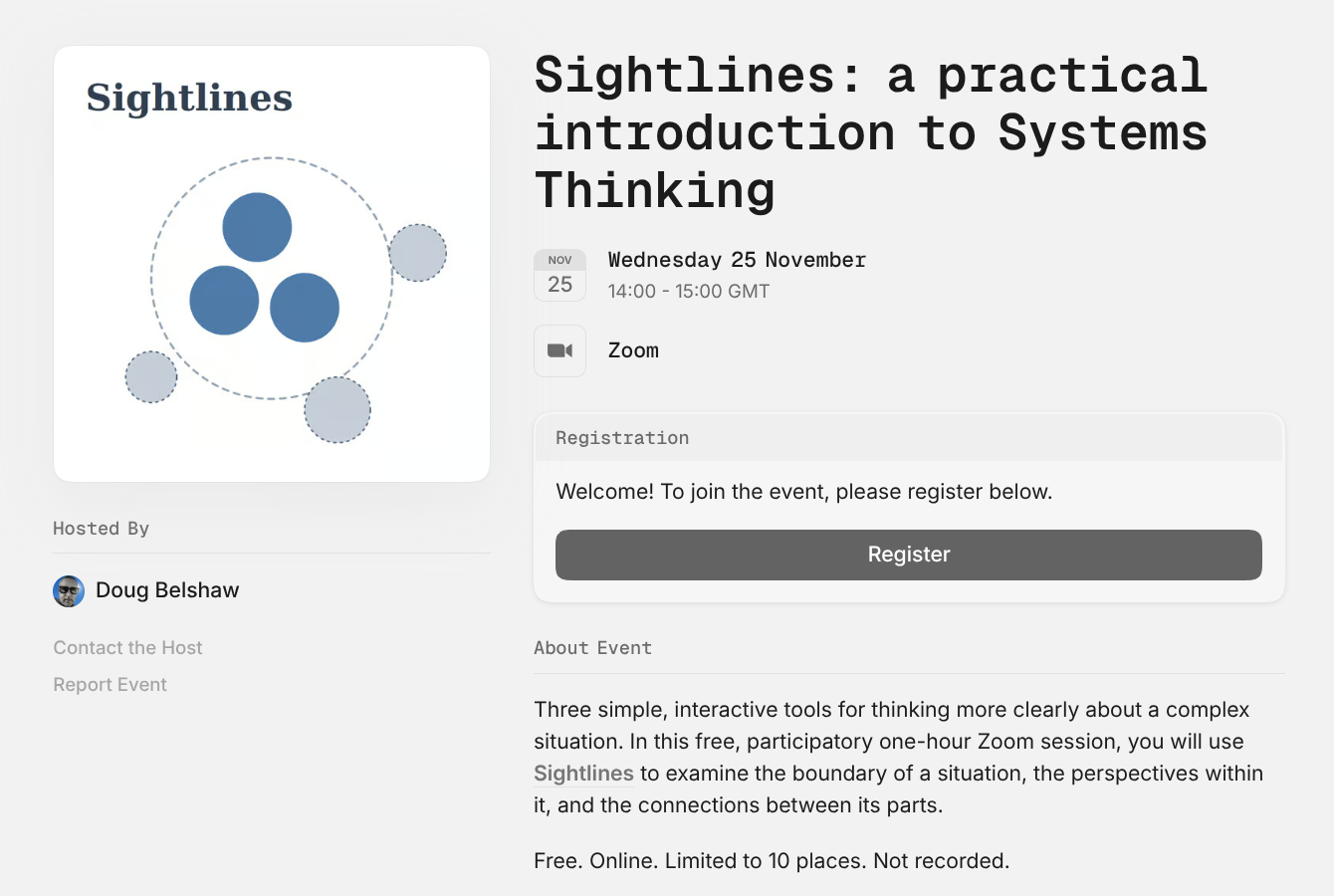
On the afternoon of Wednesday 25th November (UK time) I'm going to run a free session based around Sightlines. I'm going to keep it to 10 places to keep it participatory and conversational. It's a bit of an experiment.
Doug is considering a new zine, tentatively titled Field Notes on Ambient Surveillance, which explores how surveillance has become normalised in everyday life. The zine would examine the ways in which seemingly benign technologies, such as read receipts and location histories, contribute to a culture of ambient surveillance. Doug believes this topic offers fertile ground for a zine, as it highlights the ordinary, yet pervasive, nature of observation in modern society.
I think the root of the problem is the globalization of all problems.
Now, it feels like anything bad that happens anywhere in the world is somehow relevant to me and my responsibility. It’s like, I’m not allowed to be happy as long as someone, somewhere, is having a bad time.