← All notes

#education

November 2026 1 note

reflections updated 6 min read

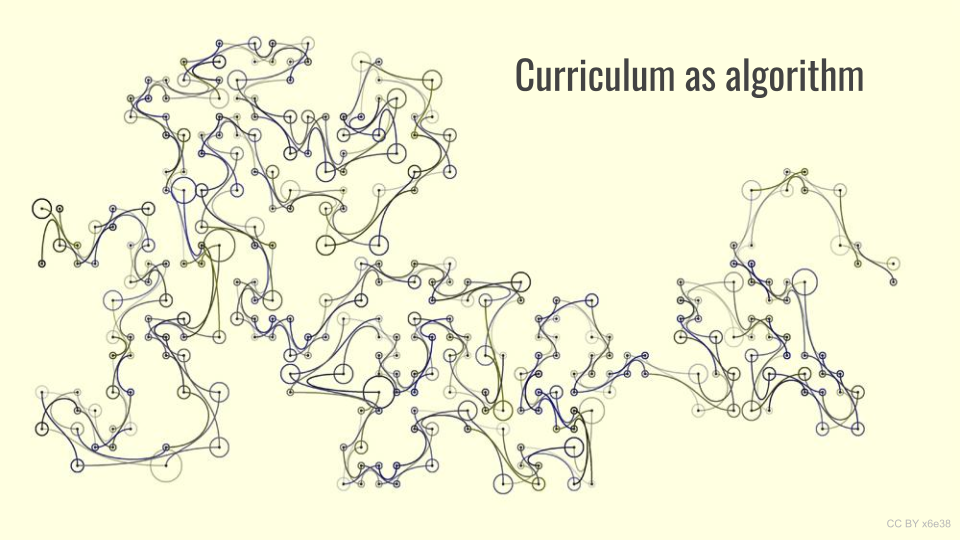
Curriculum as algorithm. Curriculum as heuristic.

AI summary

Doug suggests that a curriculum can be viewed as an algorithm, a set of rules to achieve a specific outcome, and also explores the alternative concept of a curriculum as a heuristic, which involves finding solutions through trial and error. He defines these terms to clarify their meanings, citing dictionary definitions for both algorithm and heuristic. Doug's idea is to explain that curricula can be understood in these two distinct ways.

…
September 2026 1 note

notes updated 1 min read

I think you've got something in your eye...

It's now 16 years since I've been in the classroom, but you never really get out of the mindset of being a teacher. As one mug I saw put it "Teachers don't get old, they just lose their class" 😅

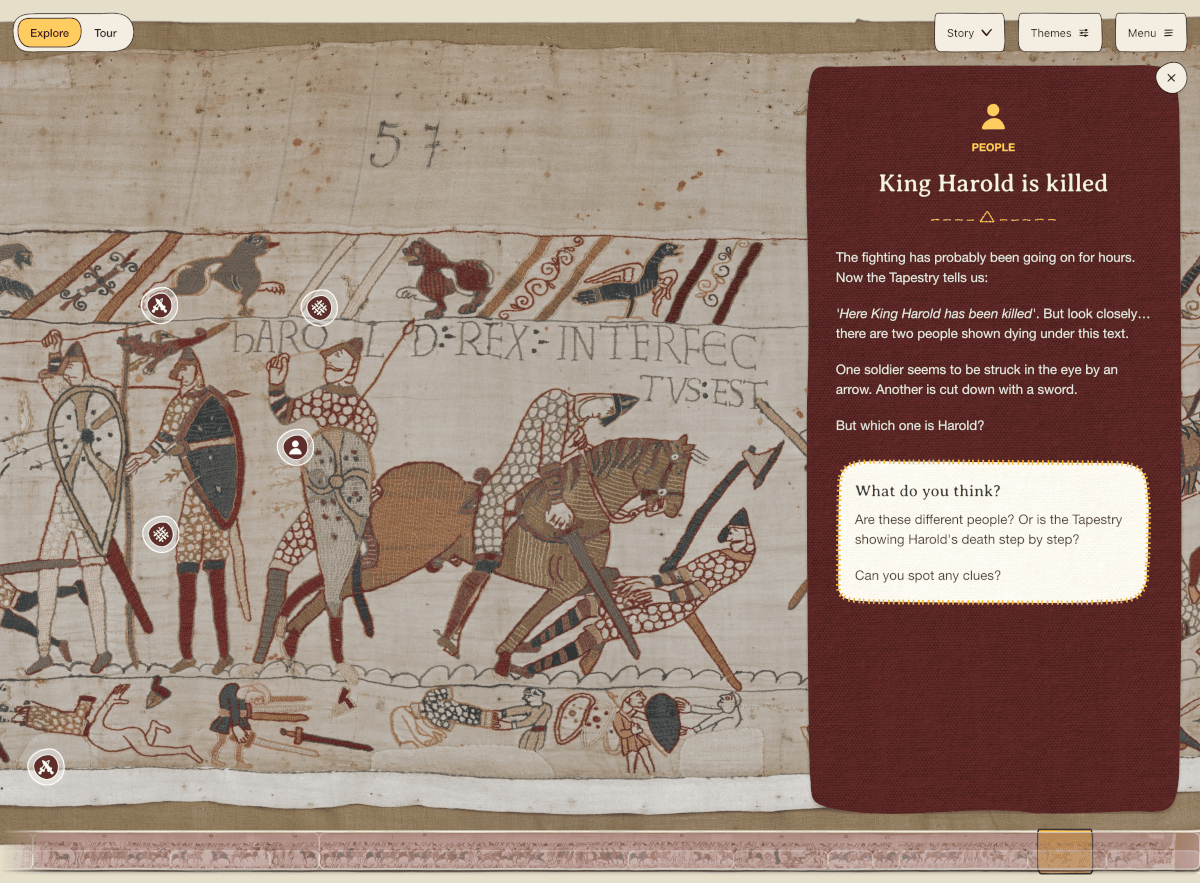
I loved teaching History, and particularly 1066 and the Battle of Hastings. This new online resource from the British would have been so great to use with very enthusiastic Year 7's (11-12 years old).

…

June 2026 3 notes

notes updated 1 min read

Responsible by Design

AI summary

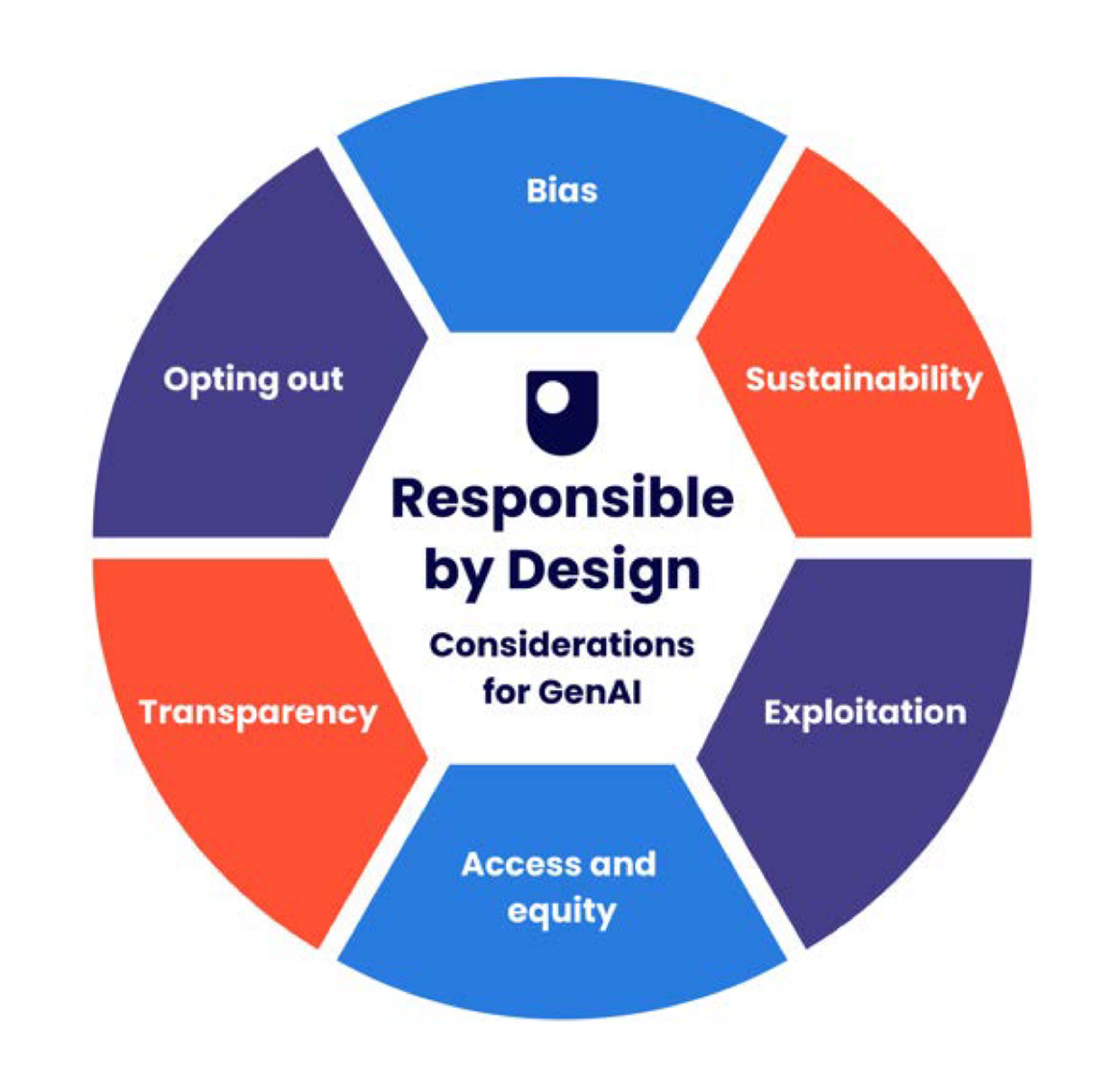
The Open University’s Responsible by Design framework (v2) addresses ethical challenges of generative AI in education through six pillars: Bias, Sustainability, Exploitation, Access and Equity, Transparency, and Opting Out. It provides reflective prompts and actionable solutions to help educators make informed, responsible AI choices. The note expresses skepticism about whether the framework will have significant practical impact.

…
notes updated 1 min read

A recipe for trouble

AI summary

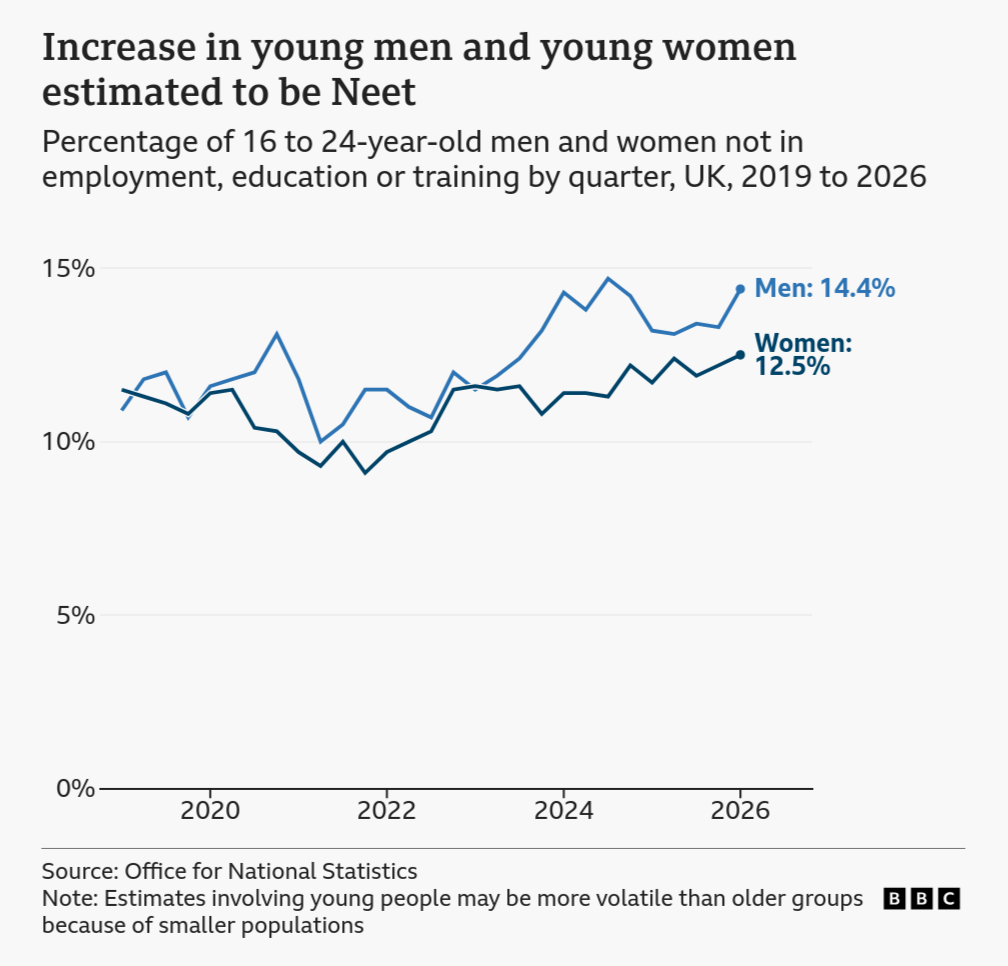
The note reports that 13.5% of young people are NEET (Not in Education, Employment, or Training), with a sharp decline in entry-level jobs and hospitality vacancies halving in four years. Since the pandemic, NEET rates for men aged 16-24 have risen 40% versus 7% for women, contributing to feelings of worthlessness and attraction to far-right online influences.

…
notes updated 11 min read

Verifiable Credentials use cases in plain English

AI summary

Verifiable Credentials (VCs) are tamper-proof digital records stored in a personal wallet that can be instantly shared and verified by any recipient without contacting the issuer. The W3C VC-EDU use cases cover scenarios across learning, professional licensing, employment, and everyday life—such as a student sharing Open Badges with a university or a nurse renewing her licence automatically. The central shift is that individuals, rather than institutions, hold and control their own credentials.

…