In early 2027, FIELD STATION is planning to host a Digital Sovereignty Unconference in Newcastle-upon-Tyne. Sign up here for updates and to get involved!
I remember being told: 'When there is agitation, look where there is no agitation.' So if you have agitation inside, then go and look at a tree. It’s not agitated. It’s doing what it needs to do. Go and watch the ants work when they’re gathering crumbs. Just look at something that’s working and let it ground you.
Doug is planning his next zine, CW-PUB-002: Interfaces of Refusal, which will explore the design language of refusal in technology, including errors such as 404 and Access Denied. He aims to highlight how machines can hinder our goals and how we often passively accept these refusals. The zine will be the second in a three-part series, following on from CW-PUB-001: Field Notes on Productive Friction.
Doug discusses the concept of free time, as envisioned by Marx, where individuals can pursue their interests and contribute to societal progress without being bound by capitalist labour. According to Doug, the will for free time requires its organisation against constant valorisation, or alienation, and this can be achieved through various means, including the reappropriation of technology. Doug highlights the importance of creating alternatives based on different ontologies and epistemologies, rather than simply repurposing existing technologies, in order to bring about a post-labour condition.
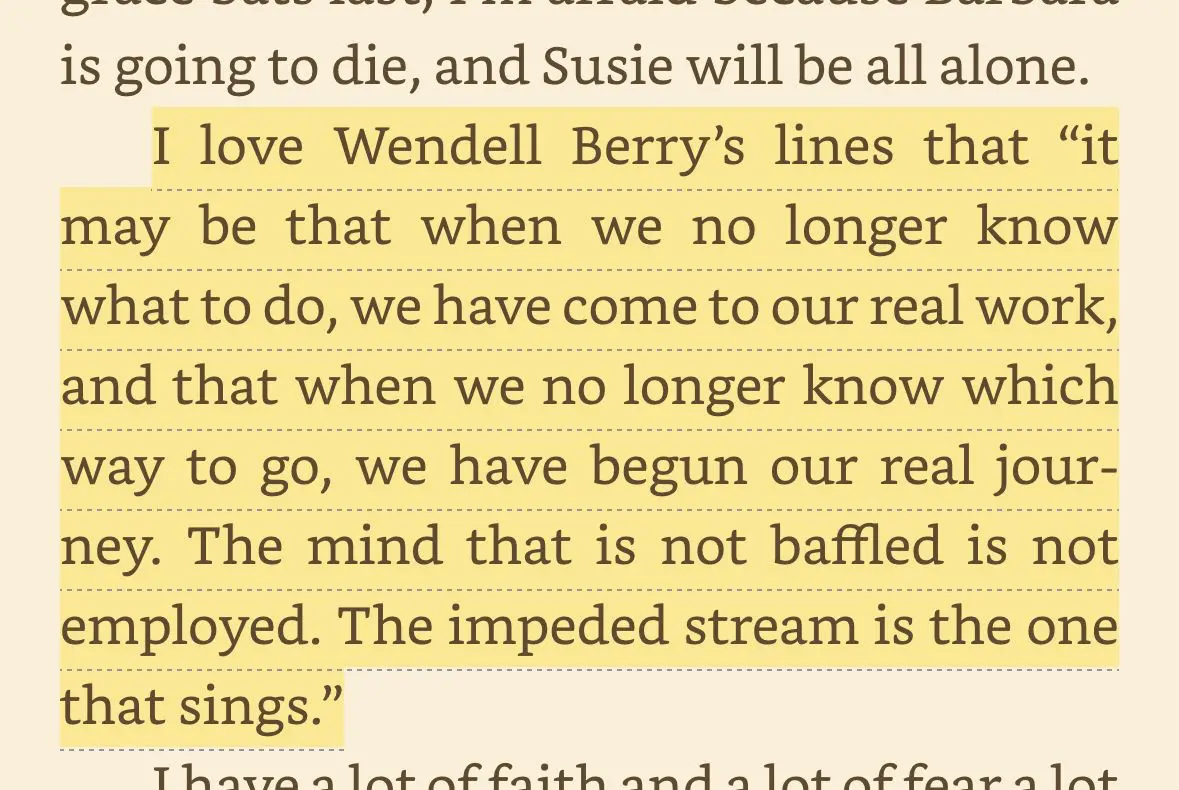
My little robot friend says this is from Anne Lamott's Somehow: Thoughts on Love (2024) and that the Wendell Berry quotation comes from his 1983 essay collection Standing by Words, specifically the essay 'Poetry and Marriage: The Use of Old Forms'
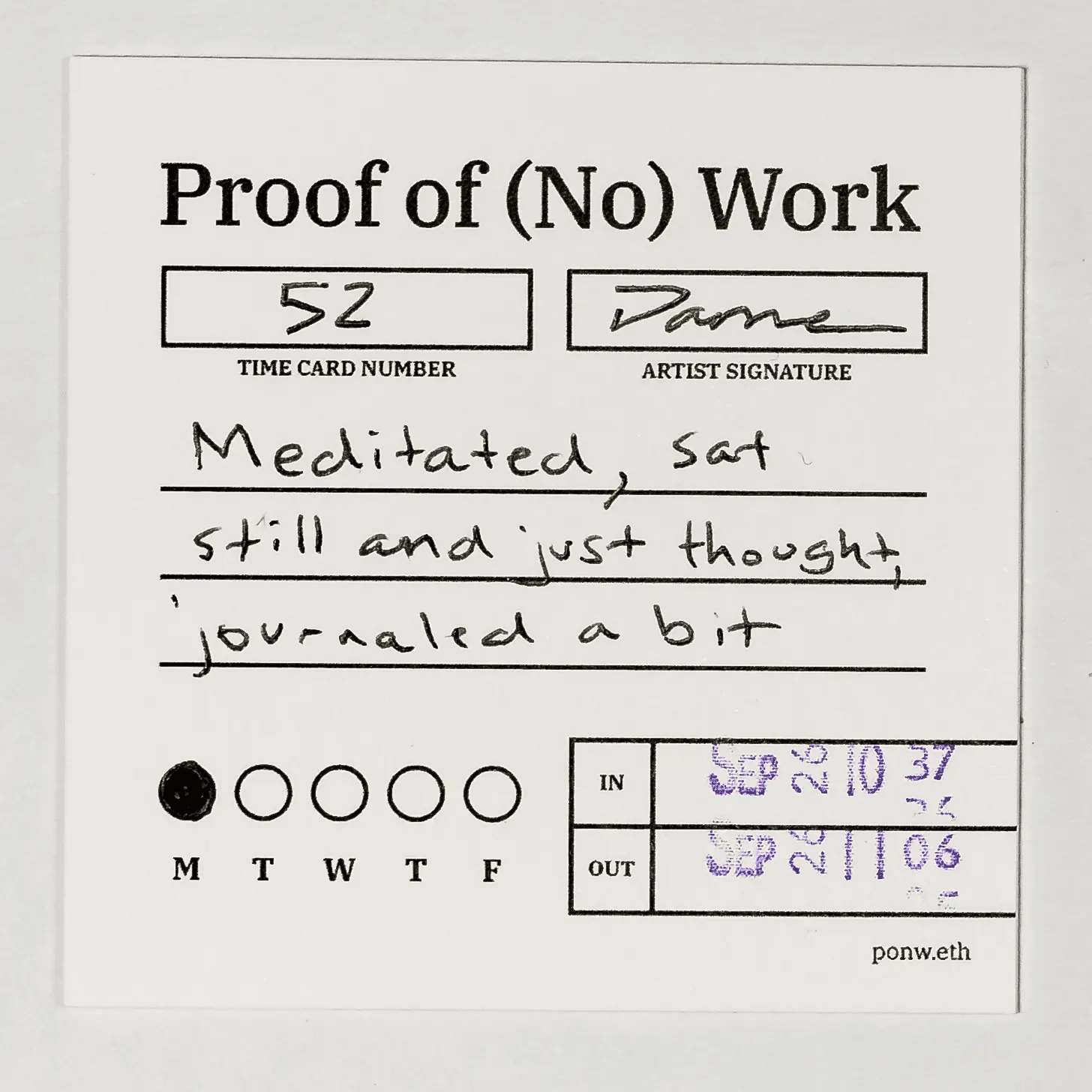
Doug has been exploring the concept of intentional unproductivity, challenging the notion that one's value is tied to their productivity. He has been making a conscious effort to work less and focus on activities that bring him joy and fulfillment, such as reading and creating. By doing so, Doug aims to carve out time and space for self-reflection and personal growth, questioning the idea of who we are without our productive pursuits.
It is not too far-fetched to link the silence at the end of a musical performance with death. In Moscow, on the gravestone of the Russian composer Alfred Schnittke is carved a stave with the semi-circle and dot of a fermata, the sign that indicates that a note (or in this case a pause) is to be held. Underneath is written ‘fff’ (one step above fortissimo, meaning very, very loud).
Aren’t you excited about the party? What with all the small talk and the rumours and the canapés on a little plate? People are decked out in fine clothes, handbags and shoes, cracking dad jokes while catching food in their mouths with haste and vigour. The kids have been excused. Weren’t they just babies? Time flies, except on the man who drinks his first beer too fast (or our age and you know he’s not just old enough to drink now). As you slip into the party you don’t know anyone, so you make a show of making yourself busy and show nervous excitement. We sit in lounge chairs and chat, pretending the world will never end. Something awful can happen at this barbecue, but the good part never comes. The time passes and eventually you can leave.
Do you ever get tired of your own skin? Do you ever get tired of your own thoughts? Do you ever get tired of the same conversations, the same news, the same cultural indoctrinations in public discourse? So the magazines, we tuck our innermost thoughts away in drawers, concerned about the rain. We’re good enough to live under the same slight of hand. There are the masks, too, which everybody gets in the end.
I’m pretty good at detecting nonsense. We all feel alone because I think I don’t acknowledge them when I say I feel alone. I’m not the first weak-tailed dandy to have written an essay of despair, but I am a contemporary person, an existentialist who said that humans are built to feel scared and sad but we’re inevitably lonely. And yet, we geniuses have designed a society in which expressing true feelings in public is discouraged. So the masks again, the eyebrows too.
[S]overeignty is the name for a confused, reactive, often not-quite-thought view that there ought to be a solution to the pressure of adapting to “other people” and to other nations’ force of existence, intention, action, entitlement, and desire. Sovereignty is thus a fantasy of jurisdiction. It is a defense of entitlement, reference, and agency.
Doug argues that to maintain high standards, digital communication systems should be designed to allow self-hosting but not require it. He uses the example of XMPP as a standard that enables interoperability between communication tools, ensuring choice and preventing reliance on a single service. Doug also emphasizes the importance of open standards in communication tools, likening them to infrastructure and advocating for their adoption and mandation.
The burnout of our age, Han writes, doesn’t come from external repression but from internal overproduction. We are not crushed by the lash; we are fried by the light, the constant buzz of notifications, the tyranny of being reachable, and the invisible expectation to always be on.
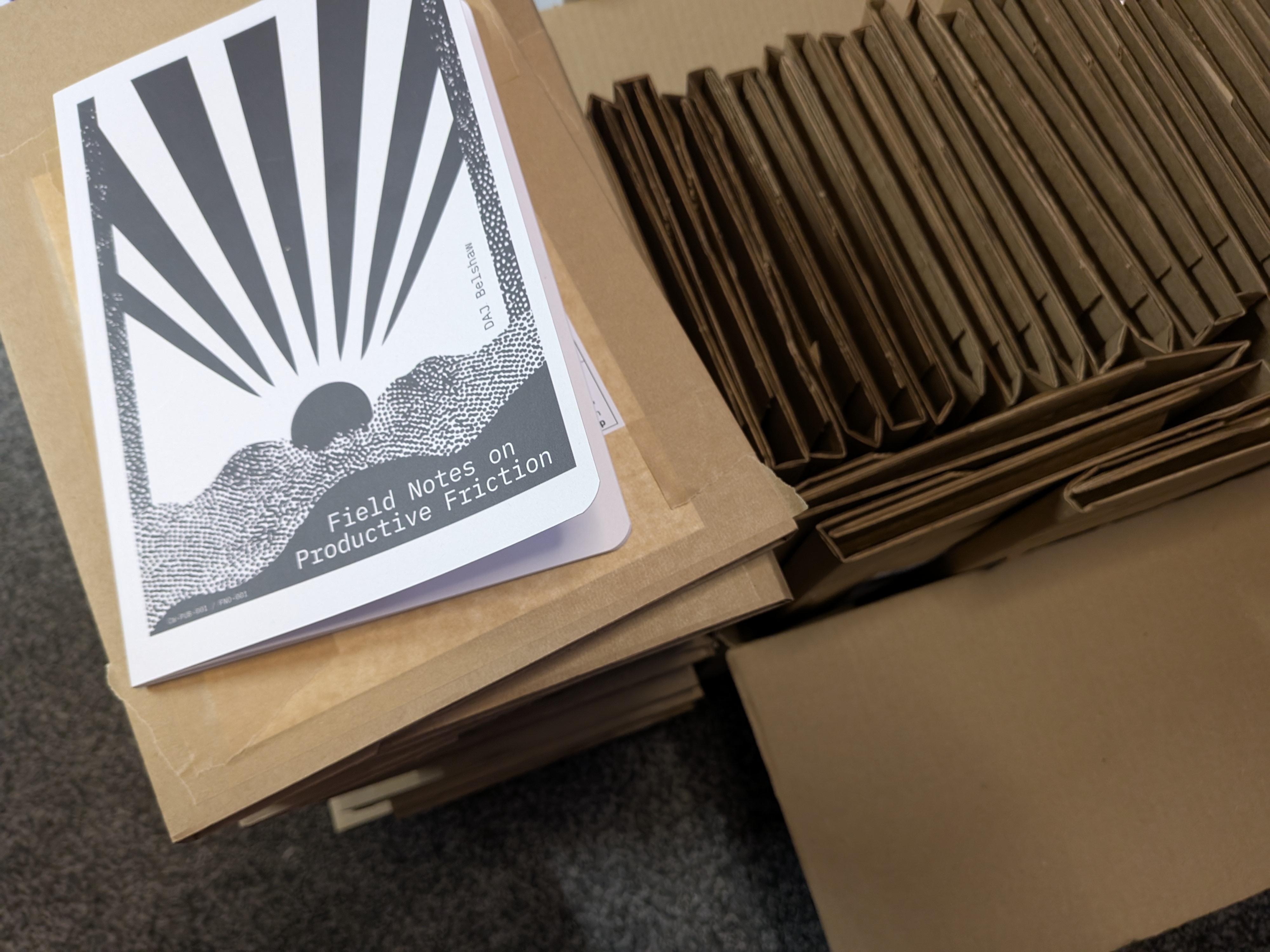
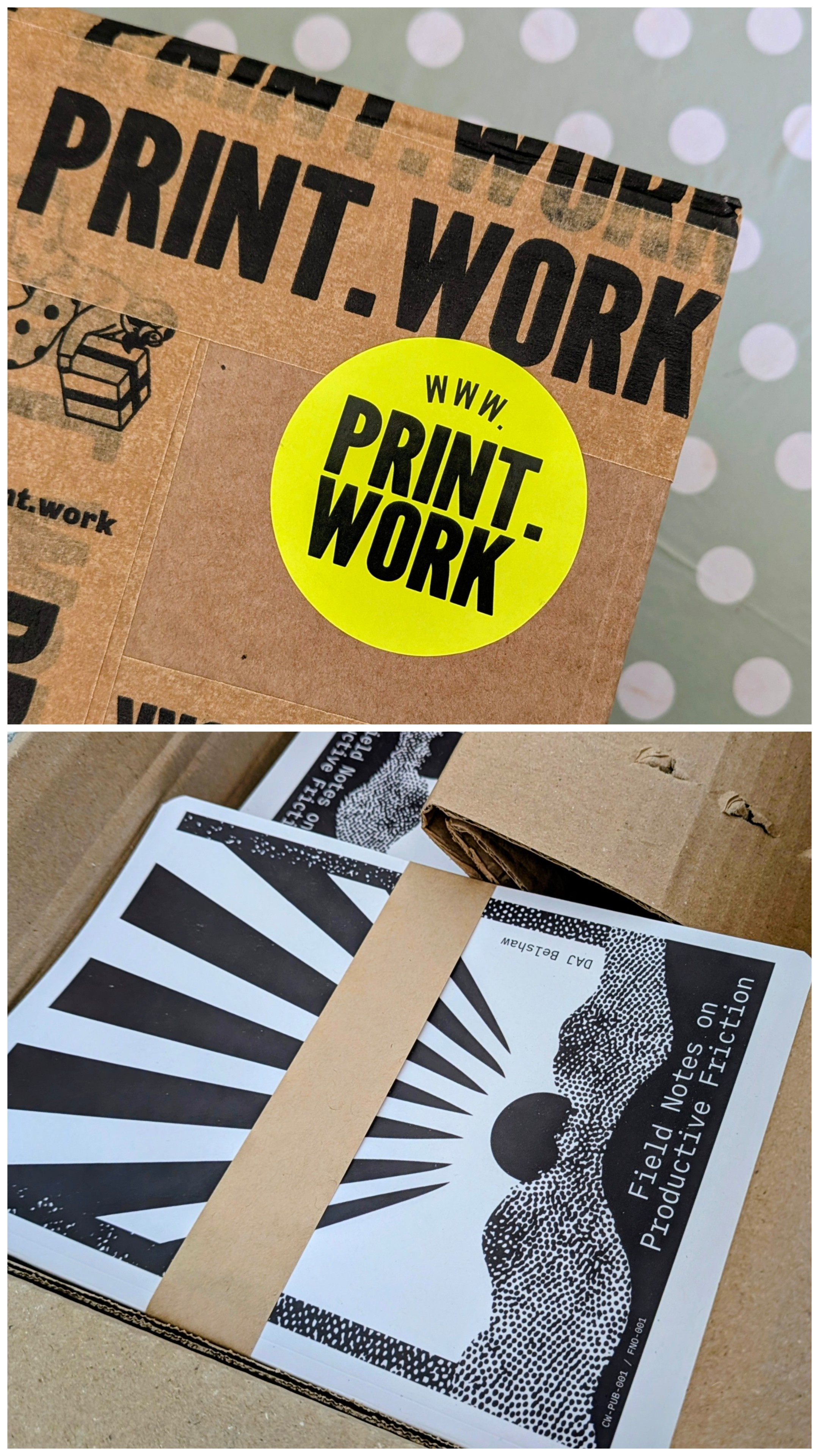
Doug's zine, titled "CW-PUB-001 Field Notes on Productive Friction," has sold out, with a limited run of 50 physical copies. There will be no reprints. The success of the zine has been noted on the Cognitive Wallpaper website, hinting at future zines, although specifics are yet to be decided. The zine was shipped to various countries including the USA, Canada, and Europe, with unexpectedly high postage costs to Europe.
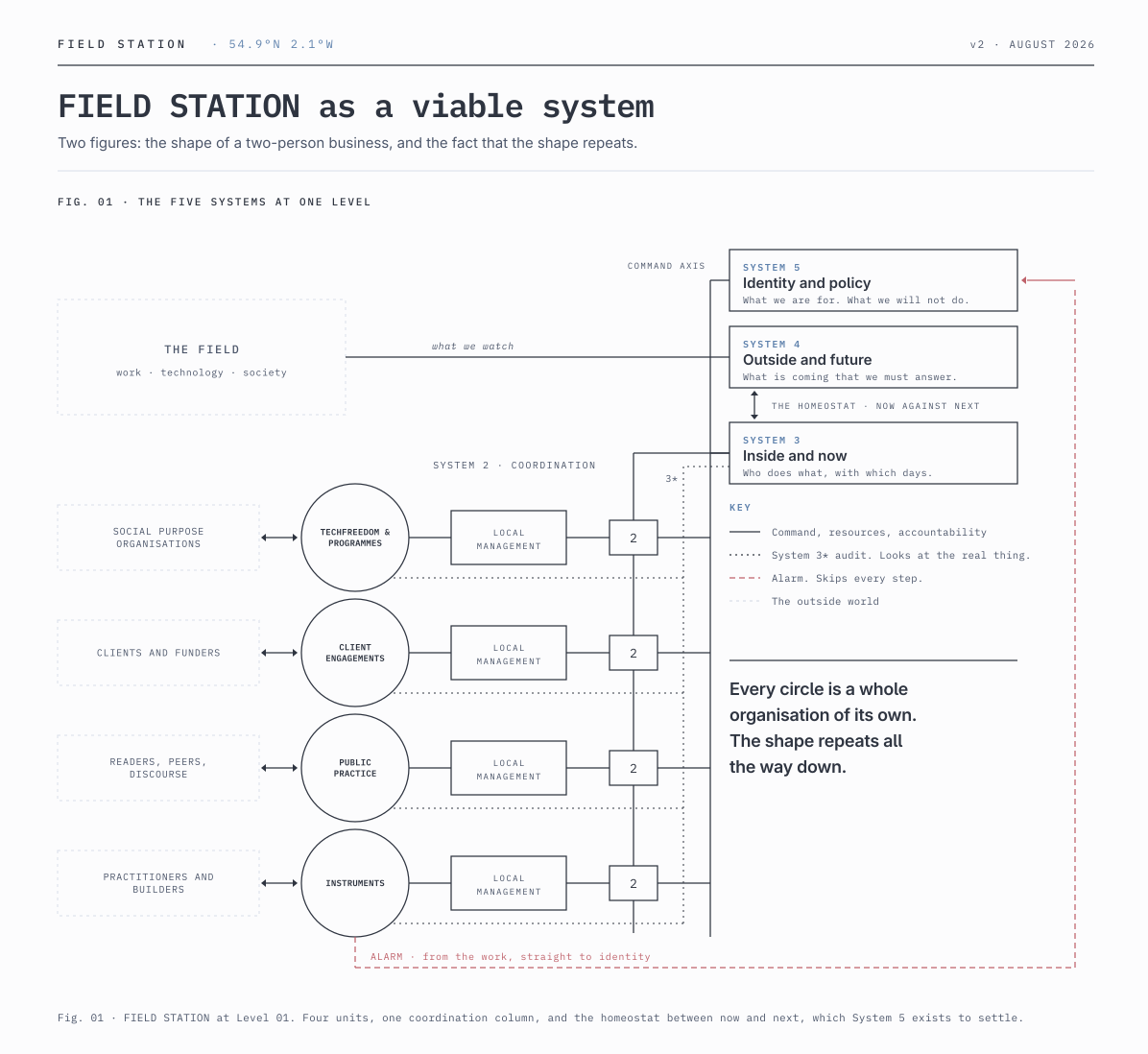
Doug's note, "FIELD STATION as a viable system," discusses the application of the Viable System Model (VSM) to build a sustainable business for FIELD STATION, an action lab investigating the future of work, technology, and society. The note outlines the five systems of VSM (Systems 1-5) and how they apply to the field they work in, which lacks System 2 and System 5 coordination and identity, respectively. Doug suggests that TechFreedom, a program they offer, can help supply some of what's missing, acting as a System 2 and System 4 instrument for other organisations. The note also covers coordination, decision-making, and identity within FIELD STATION itself, as well as the potential role of AI in meeting the "requisite variety" in their work.
I love stuff like this that can mean different things to different people, and various things to one individual person, depending on the day / their state of mind.
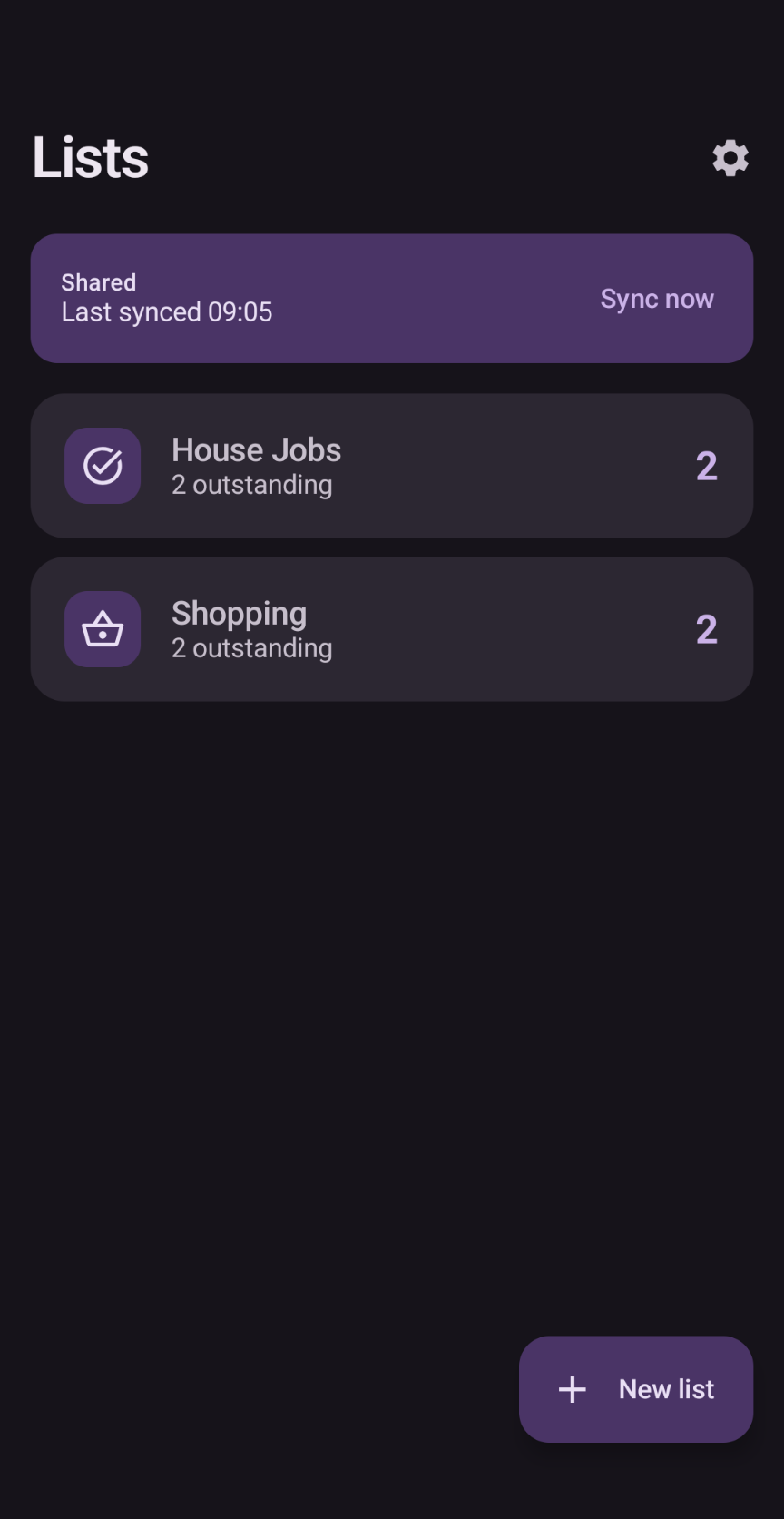
Doug has created a personal task management app called Thistle, an Android app with notifications, a widget, and different treatment for shopping lists and other tasks. The app was made using his Little Robot Friend and syncs with his VPS, but it is not intended for public release.
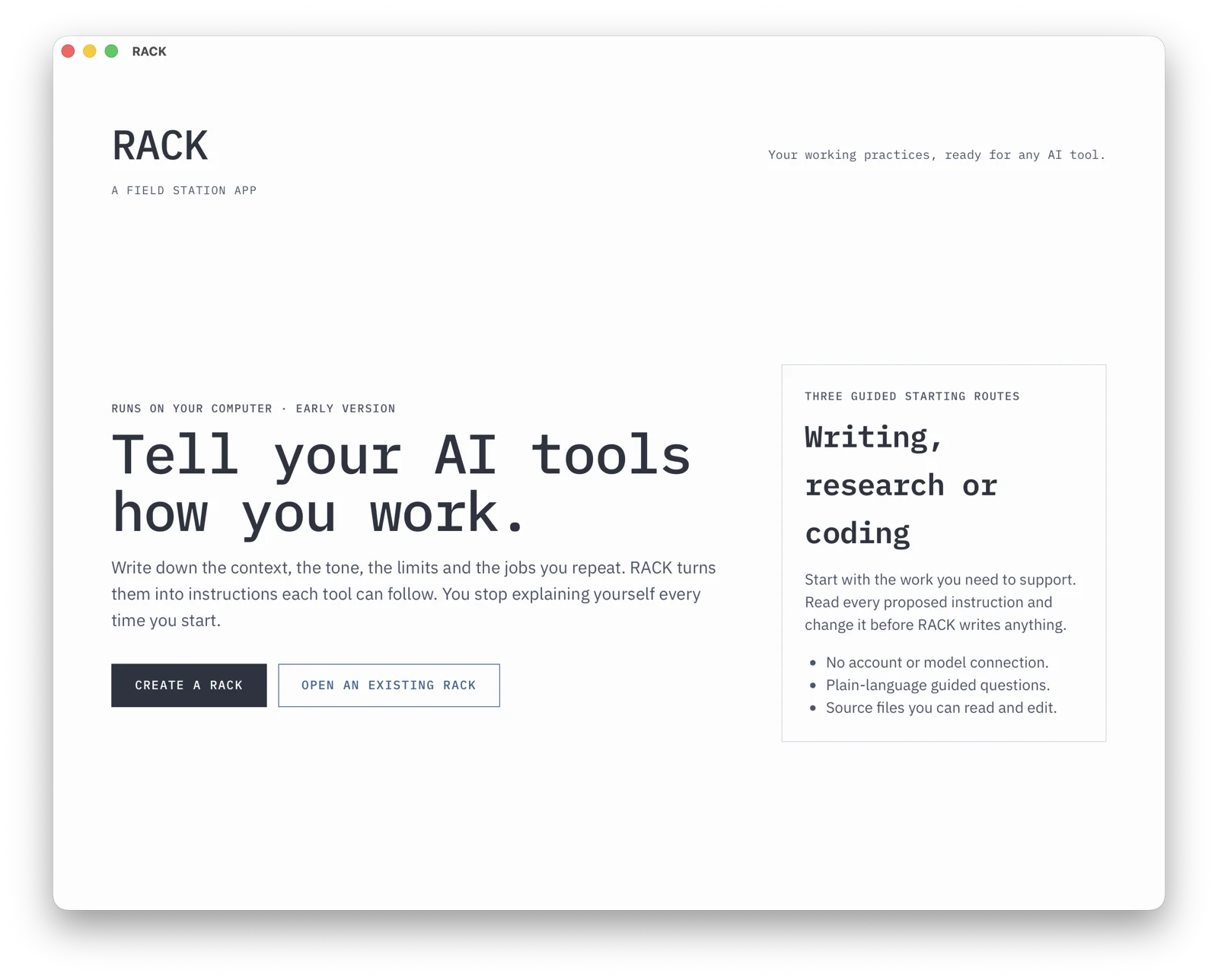
Doug introduces RACK, a tool enabling users to instruct AI tools on how they work, based on the Viable System Model (VSM). RACK aims to facilitate coordination without surveillance, encouraging decentralised decision-making and organisational sovereignty.
Doug has spent his summer finishing a zine on Productive Friction, recovering from a calf injury, and consulting with INASP and Yalla Cooperative. He has also been reflecting on neurodiversity, preparing for TechFreedom cohorts, exploring business opportunities, watching films on MUBI, and contemplating his career's second half.
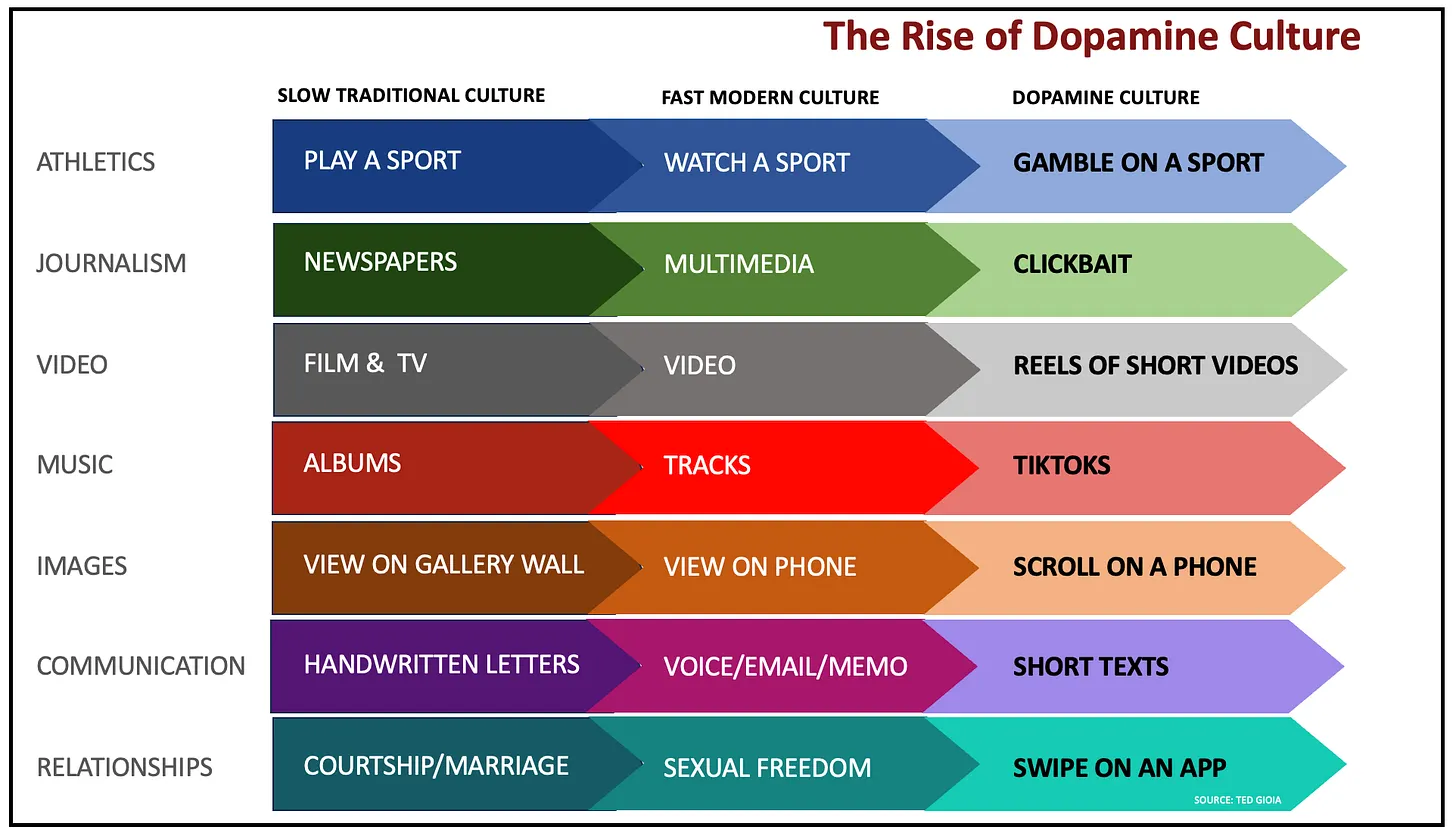
Doug reflects on Sam Kahn's observations about cultural aspiration and the shift from elite-driven taste to mass culture, facilitated by technology and social media. He notes the decline of traditional high culture and the rise of "dopamine culture," questioning whether this is an inevitable consequence of constant connectivity, as devices distract us from self-reflection.
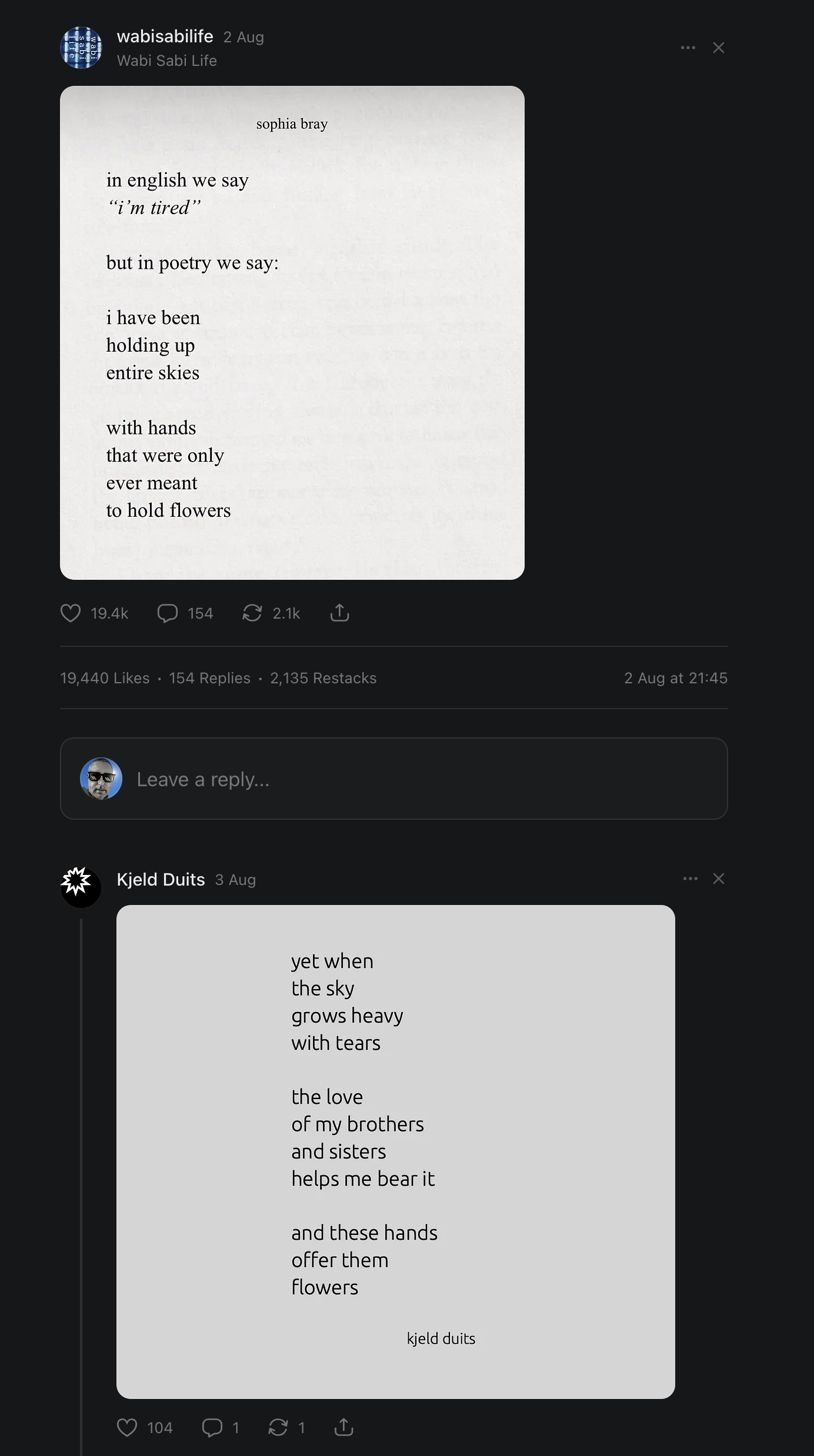
Substack is a shitty place to publish blog posts, but (for me, at least) Substack Notes has a pretty high signal/noise ratio. Because it's very much a writer-focused place, you get wonderful things like this happening:
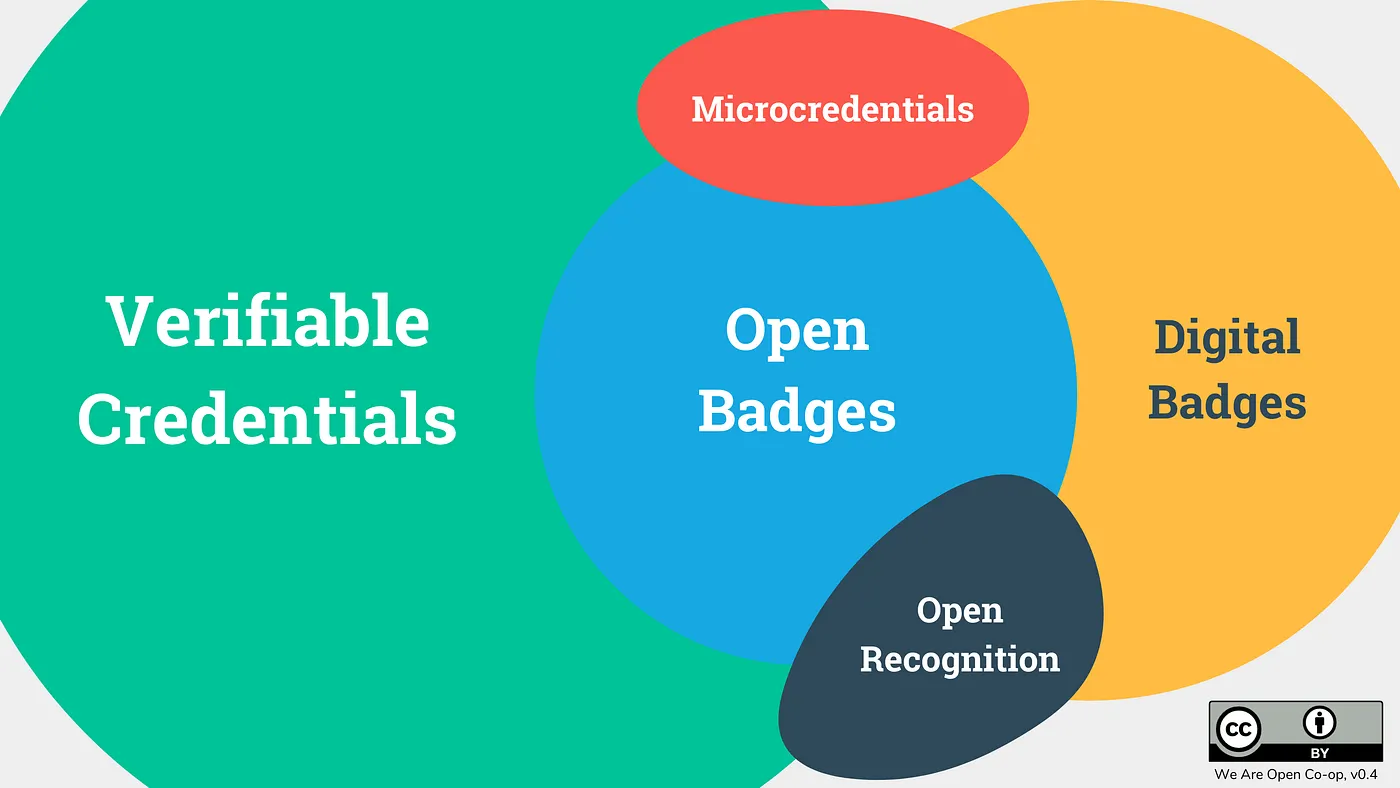
Doug, in response to Laura's post questioning what does validation look like?, explores the interconnected concepts of validation, recognition, and credentialing. He proposes that validation is an intra-personal act of absorbing evidence, recognition is the inter-personal acknowledgement of that validation, and credentialing is a formalised, portable way of encoding recognition. Doug argues that recognition systems should foster "absorption" to facilitate validation, and acknowledges that validation processes vary among individuals due to unique personal histories.
At a 1962 conference at the Museum of Modern Art, conservative art critic Hilton Kramer denounced Pop Art as “indistinguishable from advertising art” because “Pop Art does not tell us what it feels like to be living through the present moment of civilization. Its social effect is simply to reconcile us to a world of commodities, banalities and vulgarities.” But perhaps the content of graphic design is exactly that: an evocation of “what it feels like to be living through the present moment of civilization,” with all its “commodities, banalities and vulgarities.” How else can we discuss the content of a typeface or why the typography of a surfing magazine suddenly becomes relevant? Or how a series of made-up or ‘self-initiated’ posters—already a medium of dubious functionality— can end up on the wall of a major design museum? Work must be saying something, which is different than being about something.
Doug reflects on the value of re-reading books, particularly Michel de Montaigne's essays, as one ages. He highlights Montaigne's suggestion that we should frequently contemplate and discuss death, not fear it. Doug appreciates Montaigne's emotional honesty and practical advice, such as being prepared for death at any moment, metaphorically having one's "boots on." He also notes Montaigne's optimism about life's quality over quantity and the universal need to confront one's mortality.