In early 2027, FIELD STATION is planning to host a Digital Sovereignty Unconference in Newcastle-upon-Tyne. Sign up here for updates and to get involved!
The note describes Dirty Little Zine, a free browser-based tool for creating printable 8-page folded zines from a single sheet of paper. The author is working on a 40-page zine about Productive Friction and considers using this tool to produce a smaller companion "zinette." The idea evokes the whimsical extra "little tissue" given by a Big Issue seller.
Already in 1877, Robert Louis Stevenson called busyness a "symptom of deficient vitality," and observed "a sort of dead-alive, hackneyed people about, who are scarcely conscious of living except in the exercise of some conventional occupation".
Laurens Hof analyzes how the UK government selectively enforces its monopoly on legitimizing violence—cracking down on Palestine Action supporters while ignoring Elon Musk’s amplification of far-right riots. He argues that the "amplification layer" of social media creates a structure of permission that favors established power, and that decentralized networks could make this dynamic even harder to challenge.
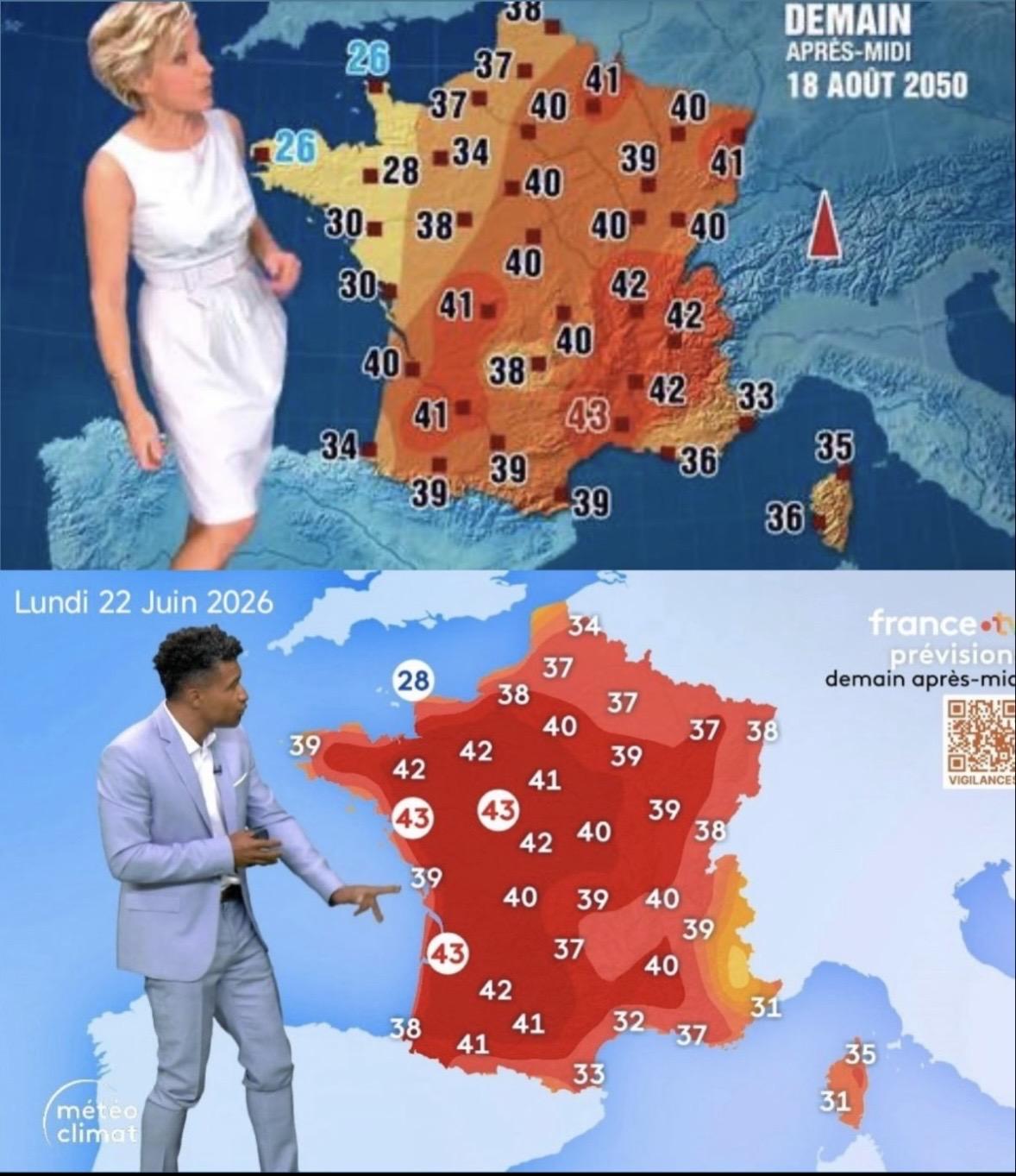
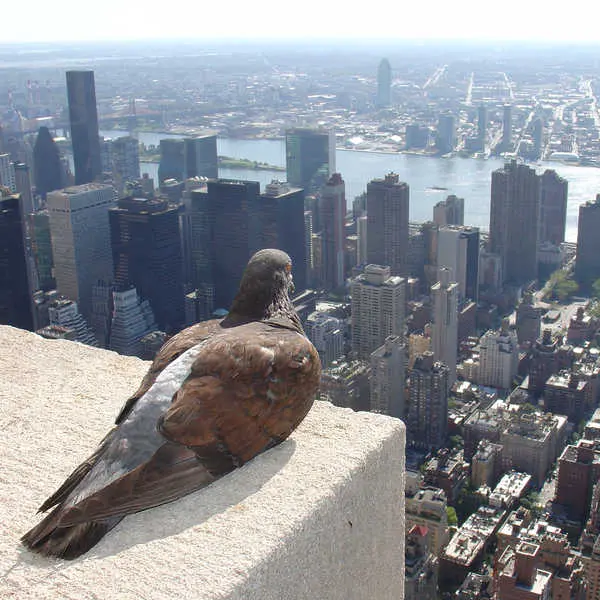
A French TV forecast from 2014 depicting extreme heat in 2050 turned out to be accurate for 2026, illustrating how climate change replaces cooler weather patterns with hotter ones faster than expected. The note suggests that continued climate skepticism is now untenable.
This gif is in no way accurate but I had fun making it in Midjourney.
Scientists have taken a surprising step toward unlocking regeneration in mammals, showing that the ability to rebuild complex body parts may not be lost after all—it may simply be switched off. Using a two-stage treatment, researchers redirected the body’s normal healing response away from scar formation and toward regrowth, successfully restoring bone, joints, ligaments, and tendons after amputation in animal studies.
He would reason about people’s conduct as though a man were as simple a figure as, say, two sticks laid across each other; whereas a man is much more like the sea whose movements are too complicated to explain, and whose depths may bring up God only knows what at any moment.
The 3-30-300 test, proposed by Cecil Konijnendijk, sets a simple benchmark for urban nature access: every home, school, and office should have a view of at least three trees, be in a neighborhood with 30% tree cover, and be within 300
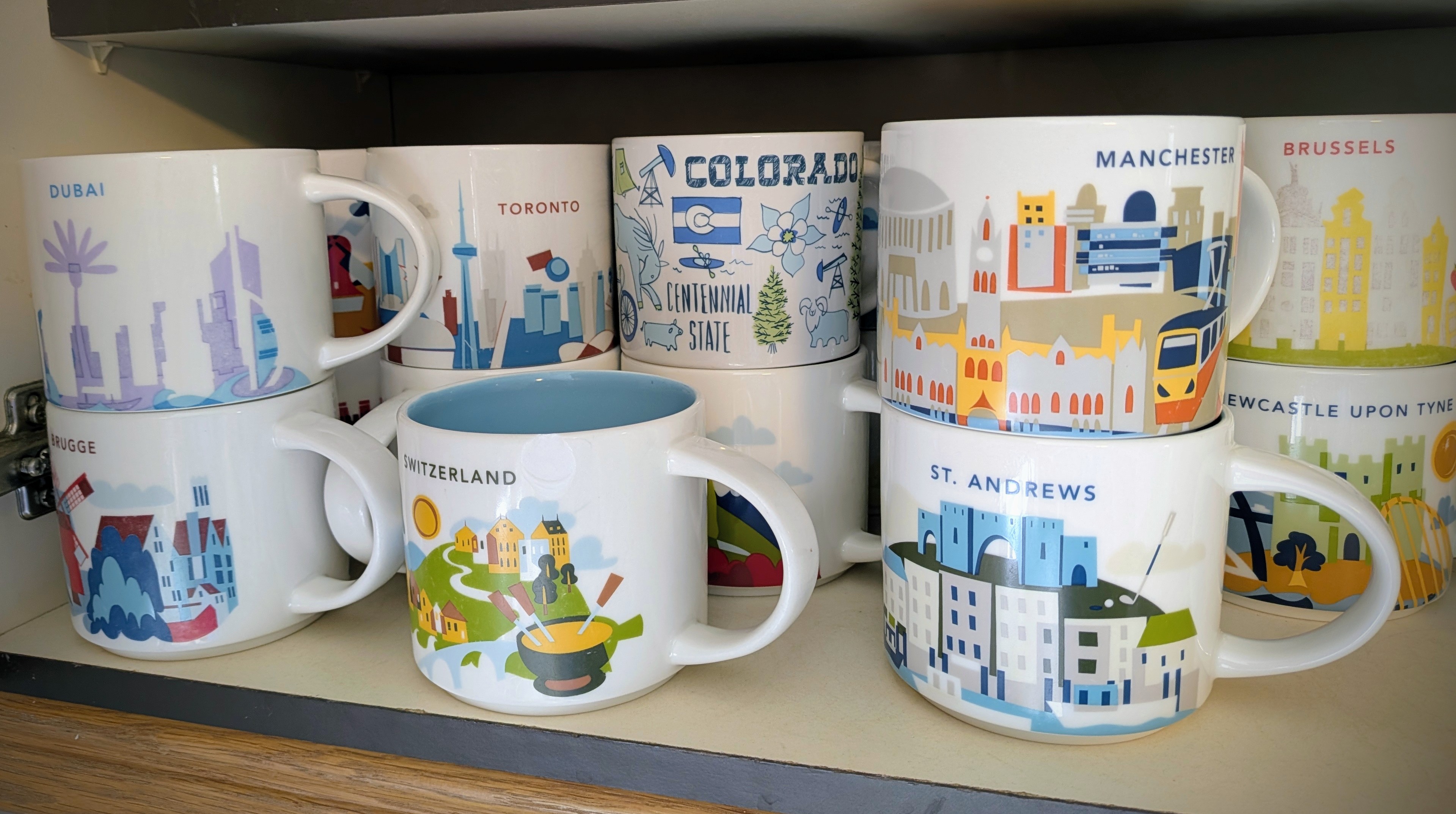
The note describes a personal collection of 22 Starbucks "You Are Here" mugs from various locations, started about a decade ago. The author now needs to replace a chipped Switzerland mug, so they plan to travel to Switzerland to get a new one.
Anthropic now requires government-issued ID for some Claude features, using Peter Thiel-backed Persona. The author worries this could enable nationalist or fascistic export controls on AI usage. They outline three responses: comply with obfuscation, run everything locally, or join a cooperative compute network.
Personal reflection on avoiding "cringe" due to upbringing gives way to the realization that leaning into activities perceived as cringey, such as bird identification, can unlock personal and professional growth. Drawing on Cate Hall's concept, the note argues that existential cringe signals where the most progress can be made, and that freeing oneself from the fear of being cringe is creatively and motivationally valuable.
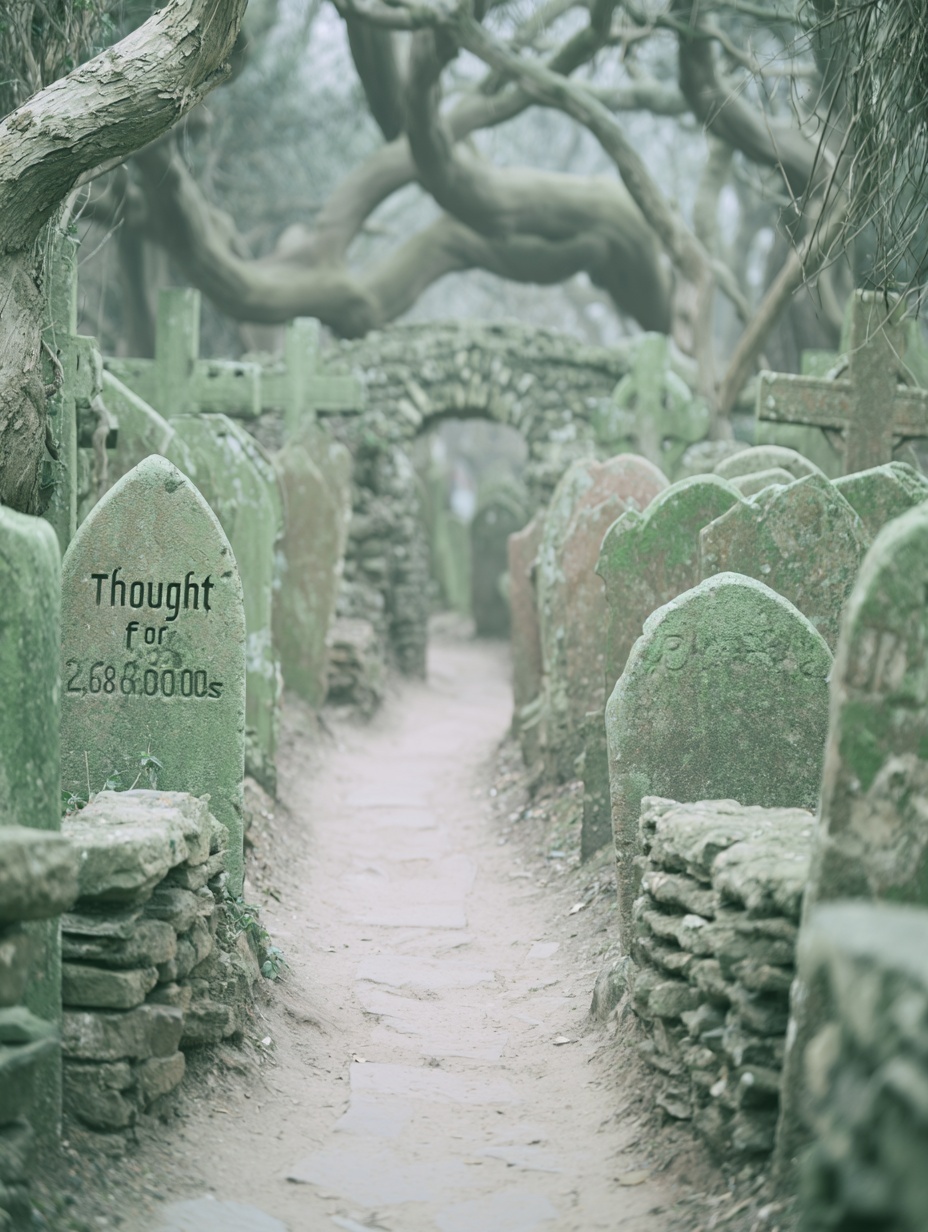
The author reflects on the phrase "Thought for 2,682,000,000s" and notes it would make a fitting epitaph on their tombstone. They used AI imagery for this note, which they rarely do, because the opportunity was too good to pass up.
If you find an intelligent companion, a wise and well-behaved person going the same way as yourself, then go along with him, overcoming all dangers, pleased at heart and mindful.
But if you do not find an intelligent companion, a wise and well-behaved person going the same way as yourself, then go on your way alone, like a king abandoning a conquered kingdom, or like a great elephant in the deep forest.
I've decided that I want to go to more in-person events, so I got my Little Robot Friend to come up with some options.
English-language, European (or noted otherwise), aligned with digital sovereignty, decentralised and federated systems, open education, digital credentials, systems thinking, co-ops and the commons. Wildcards and strong fits are labelled.
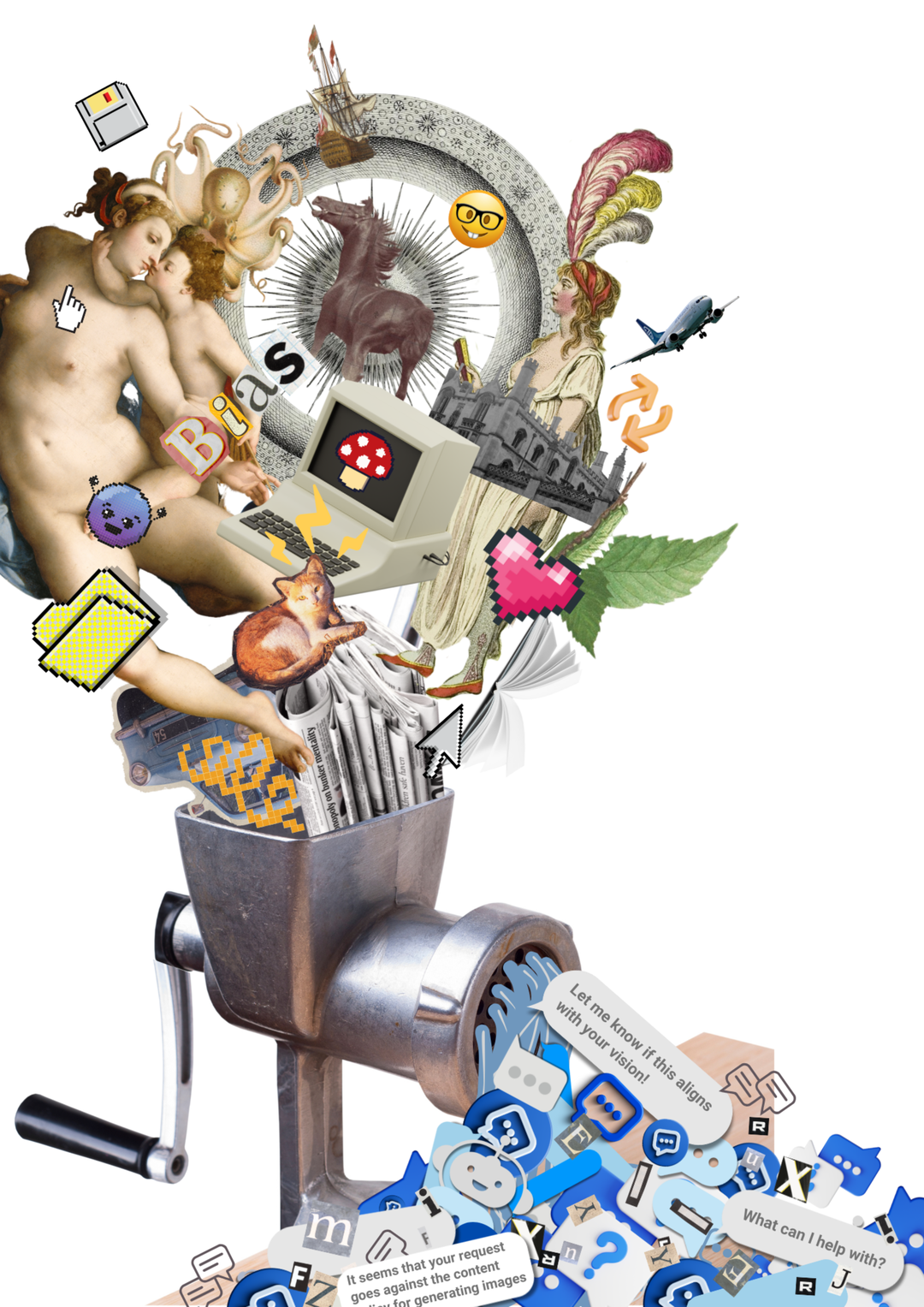
The note argues that the term "AI slop" is imprecise and unproductive, as it conflates distinct phenomena and shifts blame onto technology rather than the societal structures that enable low-quality content. It agrees with Manoel Horta Ribeiro that critiques should be more specific, noting that many pre-AI content forms already exhibited similar traits like superficial competence and mass producibility.
co/core is a cooperative where people share their own compute power to run AI for each other, instead of renting from large providers. The key innovation is an open standard for making inference requests and recording job results, allowing anyone to build their own exchange on top of it. This idea mirrors an earlier attempt to create a shared resource platform through WebRTC.
The note highlights Ryan Mather's advice on identifying and living by personal values, starting with understanding them as core principles even when unseen. It emphasizes setting small monthly goals aligned with those values and measuring daily progress, noting that values are what ultimately matter given life's inevitable end.
Reading things that are relevant to the facts of your life is of limited value. The facts are, after all, only the facts, and the yearning passionate part of you will not be met there. That is why reading ourselves as a fiction as well as fact is so liberating. The wider we read the freer we become.
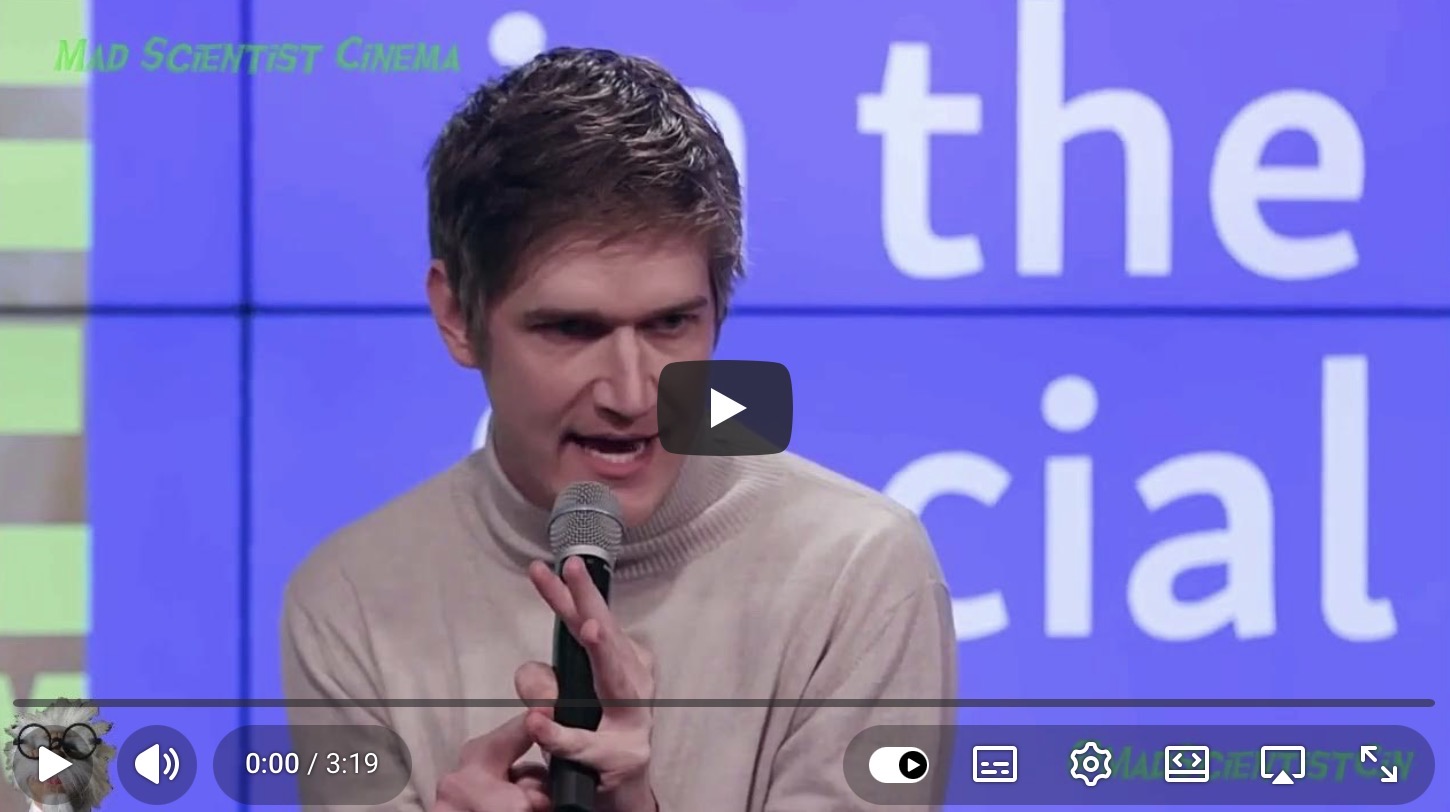
Bo Burnham discusses how corporations colonize our minds by capitalizing on every free second through social media and technology. The note reflects on the intense and insightful nature of his commentary on self-esteem and the effects of phones on kids and society.
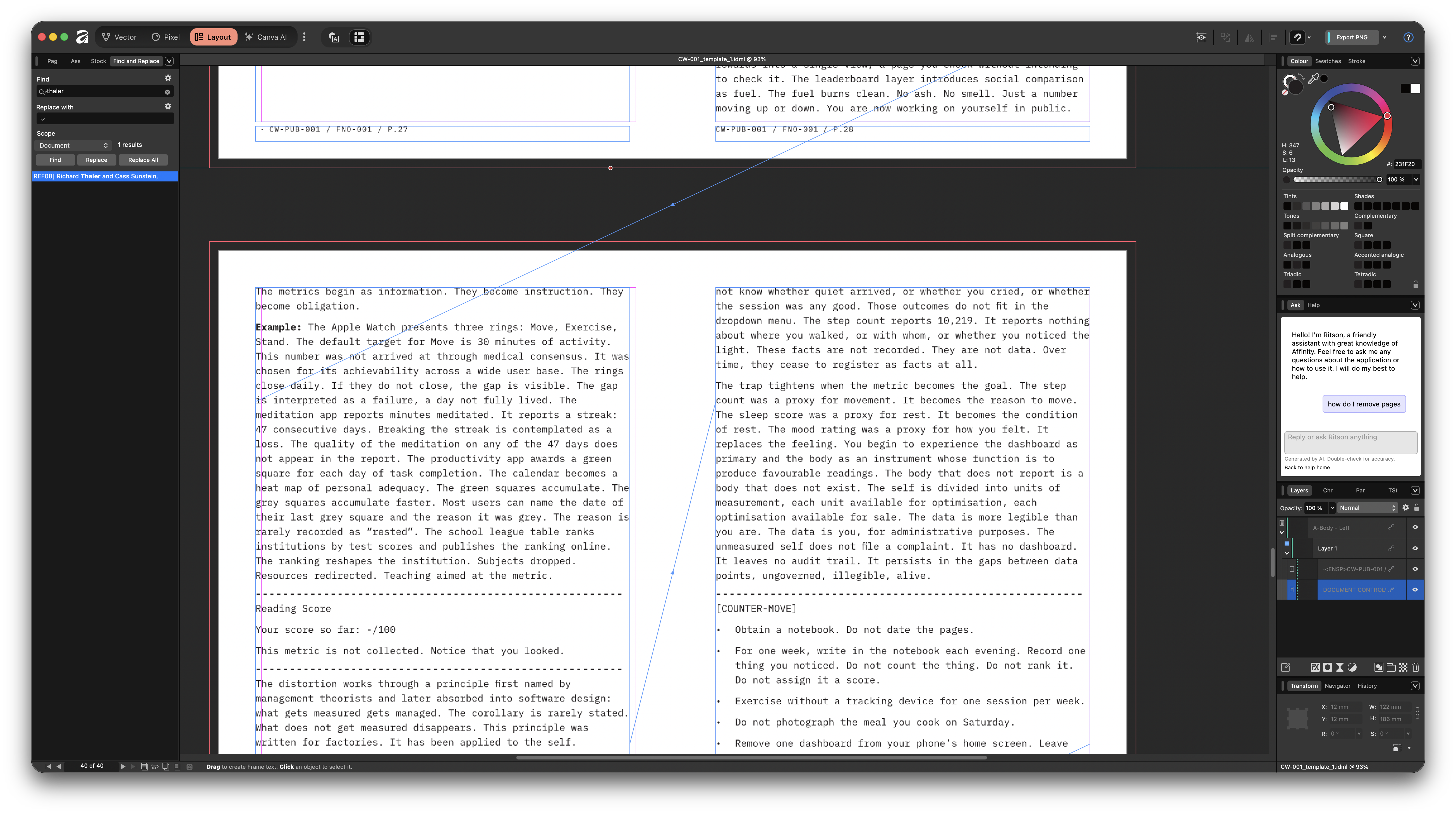
Putting together a zine is harder than expected because everything must be correct before printing, unlike web publishing where mistakes can be fixed after the fact. The author notes their usual publishing flow includes a fixable "oh shit" moment, but printed matter offers no such safety net.
I received an email from Flickr this morning notifying me that someone had favourites one of my images. It was a photo of an adult member of my family, but I was still a bit shocked.
Which is weird, because had that happened 10, 15, or 20 years ago I wouldn't have batted an eyelid. It's been quite a while since I marked all of the photos of my kids as private on Flickr, but I spent time this morning ensuring that photos including other family members are now private.