In early 2027, FIELD STATION is planning to host a Digital Sovereignty Unconference in Newcastle-upon-Tyne. Sign up here for updates and to get involved!
Headphones like AirPods create a personal "bubble" that can be comforting but also isolating, reducing spontaneous social interactions and increasing loneliness. Research indicates heavy headphone use makes people feel lonelier and less likely to engage in meaningful conversations, while also causing listeners to perceive audio content as more intimate and persuasive.
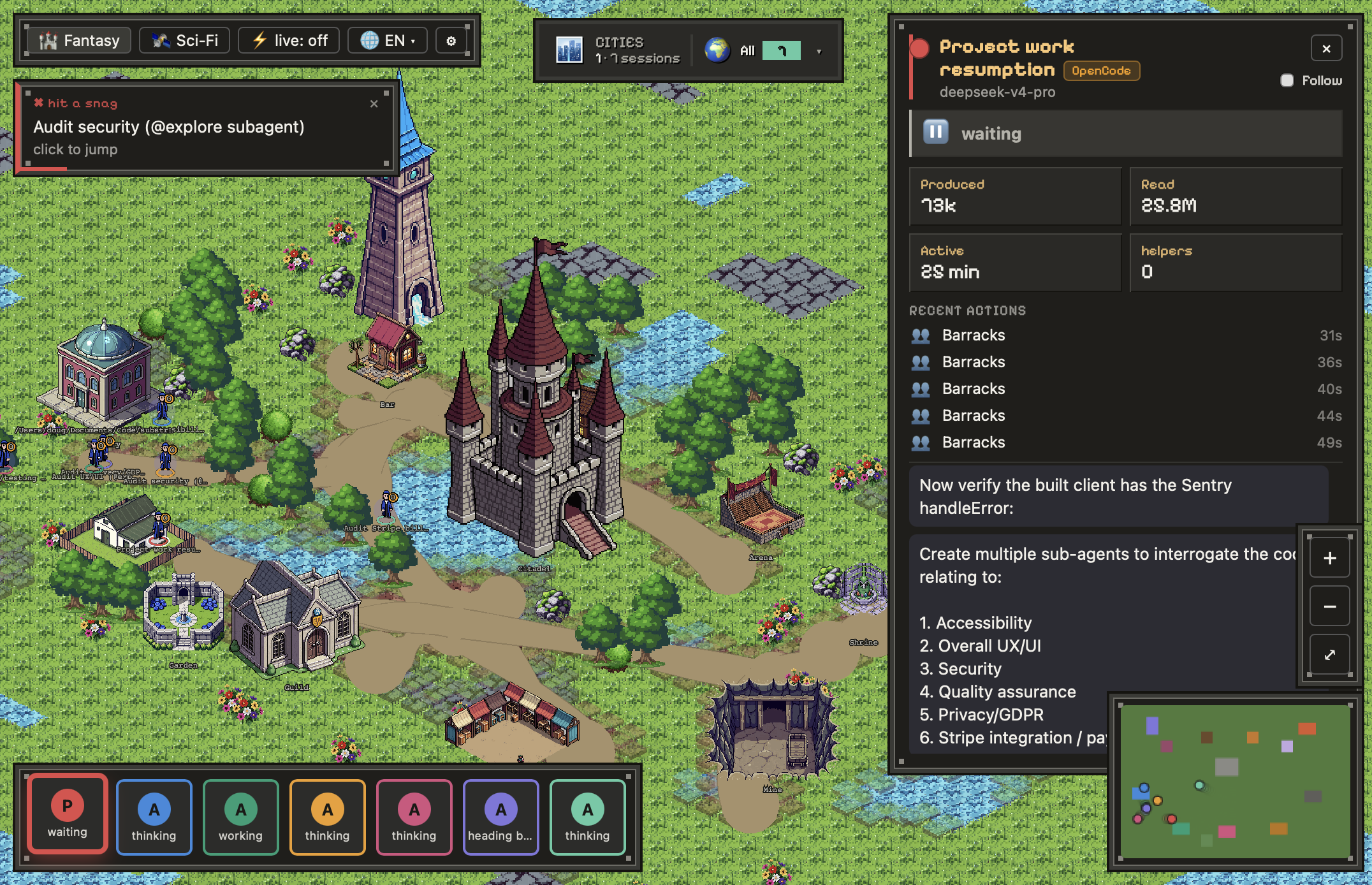
The note describes using PixelLab to create a real-time strategy game-like visualization of AI agents (Claude Code/OpenCode) working, displayed on an iPad connected to a Mac Studio. This setup allows the user to monitor agent status and see when attention is needed, which is less distracting than watching raw text. The project is based on the "Age of Agents" repository.
Google introduced v0.1 of the Open Knowledge Format (OKF), a standard that represents knowledge as a directory of markdown files with YAML frontmatter and a minimal set of conventions for interoperability. OKF is minimally opinionated, separates knowledge producers from consumers, and is not tied to any platform or proprietary system. The author found it a natural fit for their Substrate tool and implemented support immediately.
Apple's Vehicle Motion Cues, introduced in 2024, use the device's accelerometer and gyroscope to display moving dots on the screen that correspond to the vehicle's motion, reducing or eliminating motion sickness. The feature is designed to resolve the sensory conflict between a static display and the inner ear's detection of movement.
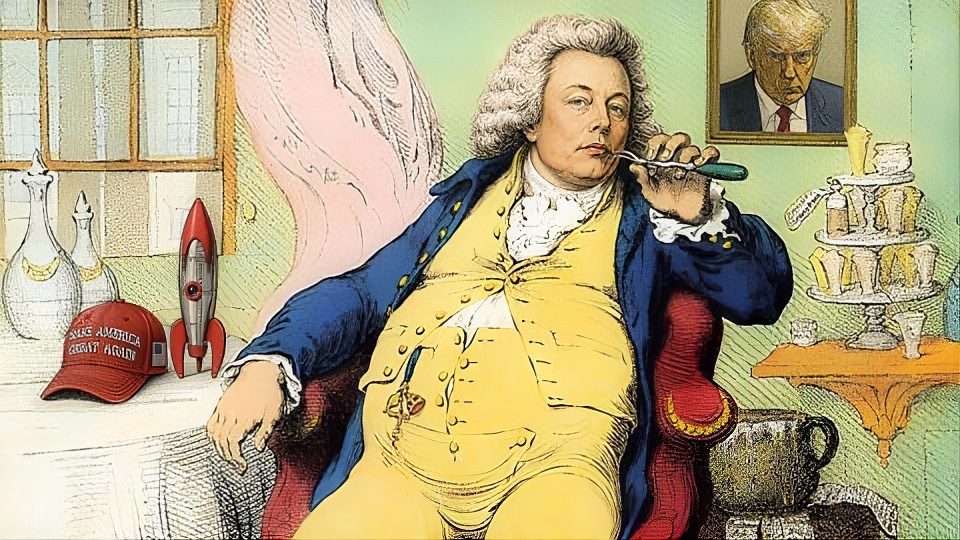
Cory Doctorow argues that Elon Musk's wealth has grown despite his failures since 2020, driven by memes and vibes rather than productivity. The true "dead economy" risk is that capital shifts from productive activities into memestocks, vibes, and bubbles, exemplified by defunding cancer research to build data centers for Musk's benefit. This misallocation threatens to create an economy that harms everyone.
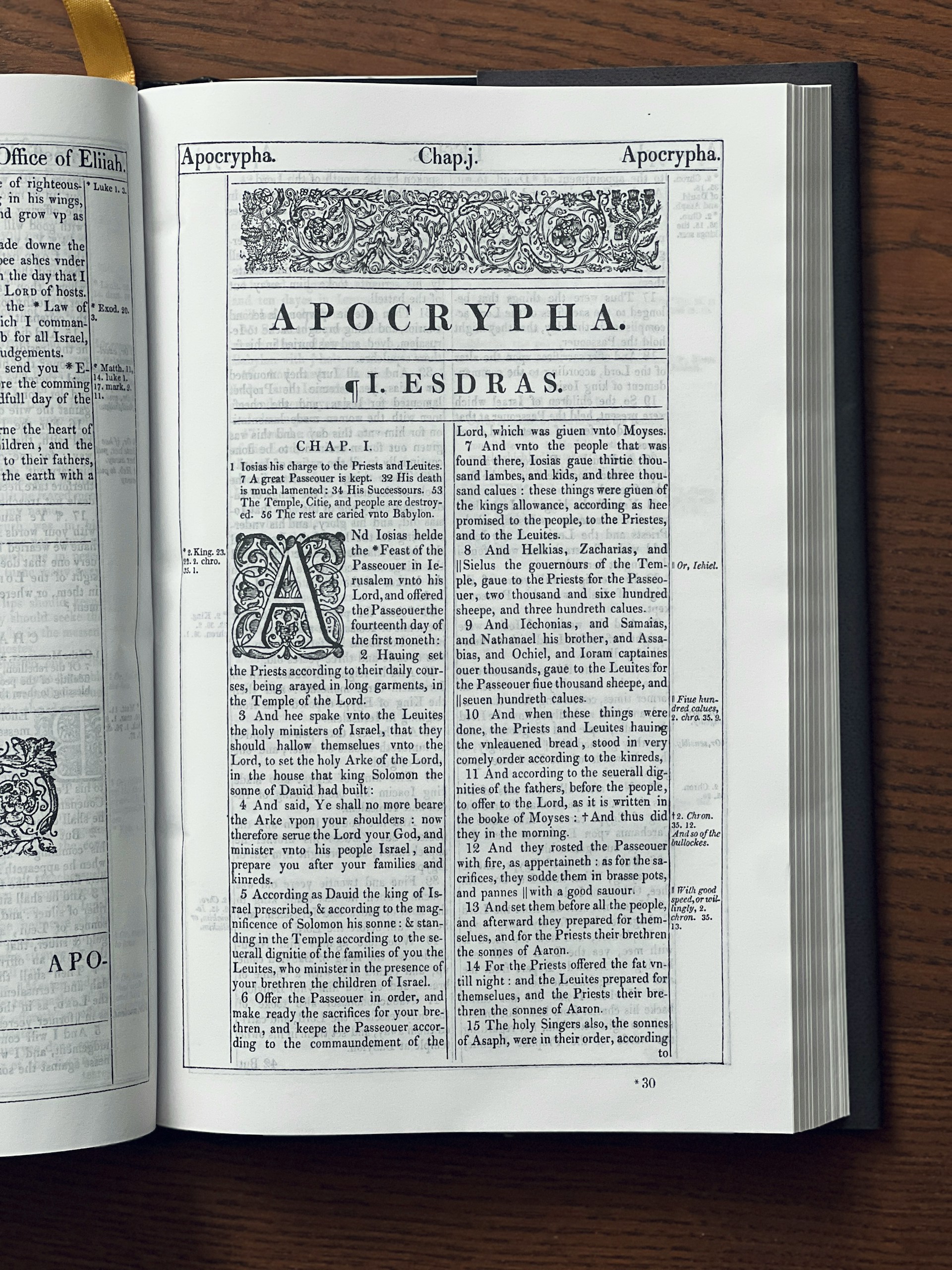
The note discusses apocryphal biblical stories, such as Jesus making sparrows come to life and St. Paul baptizing a lion. The author rejects the "deleted scenes" analogy, instead comparing them to the conflicting narratives in Rashomon. The apocrypha originated from Jerome's fourth-century Latin Bible translation, where he labeled extra Greek books as unverified.
Tom Watson presented at TechNExt using MarkDeck 3D for the first time since leaving Mozilla. The presentation covered TechFreedom and marked the debut of the 3D web presentation tool at the event.
folk.zone is a collection of free, open-source internet services run by one person on four machines, inspired by omg.lol and rooted in the IndieWeb. The author applauds the initiative but notes concerns about governance and burnout, though they acknowledge that initial individual effort can lead to a self-sustaining community.
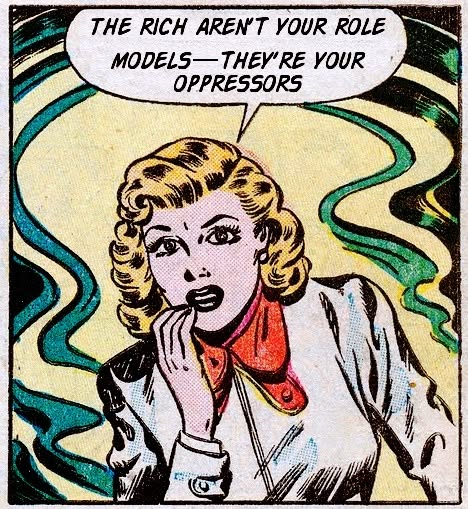
This note argues that extreme wealth, exemplified by trillionaires, represents a systemic failure rather than success, and that the rich are oppressors, not role models. It quotes the article to highlight how capitalism rewards ownership over social contribution, creating dangerous illusions that lead workers to identify with billionaires instead of their own class interests.
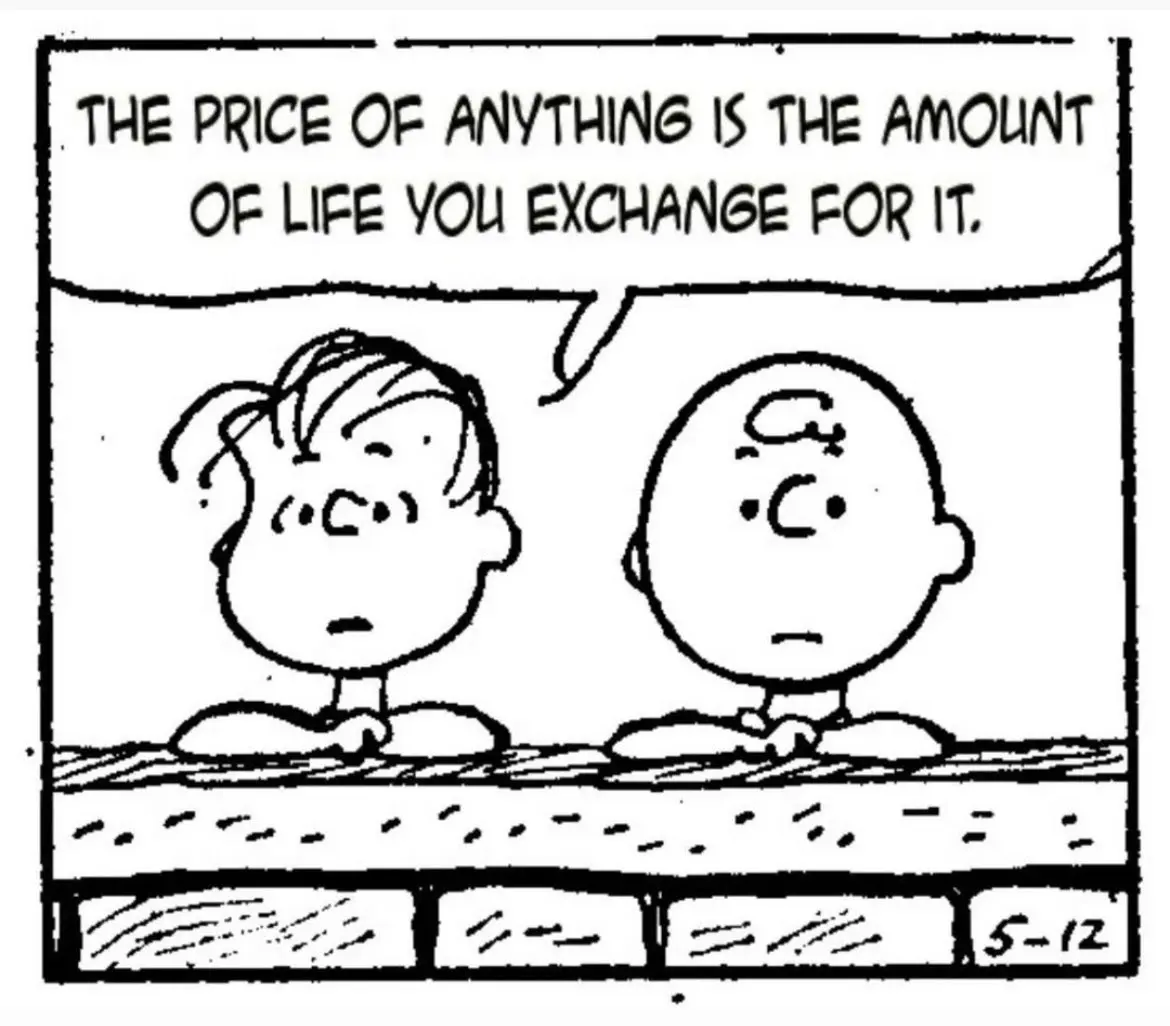
The note announces that the author, now in a good workflow on Substrate, will begin sharing some or all posts to their LinkedIn, Mastodon, and Bluesky accounts. It includes a Peanuts cartoon with the quote, "the price of anything is the amount of life you exchange for it."
The note discusses Boards of Canada's album Inferno, highlighting its religious and spiritual themes and the author's favorite track, "Prophecy At 1420 MHz." It summarizes critical reception from various outlets, noting the album's exploration of faith, human biology, and existential doubt, with mixed reviews including a negative one from The Guardian.
This note documents AI-generated artworks inspired by Yamabushi, Japanese mountain ascetics who follow Shugendō. The series uses custom AI to create visual metaphors of resilience and transformation, discovered via Are.na.
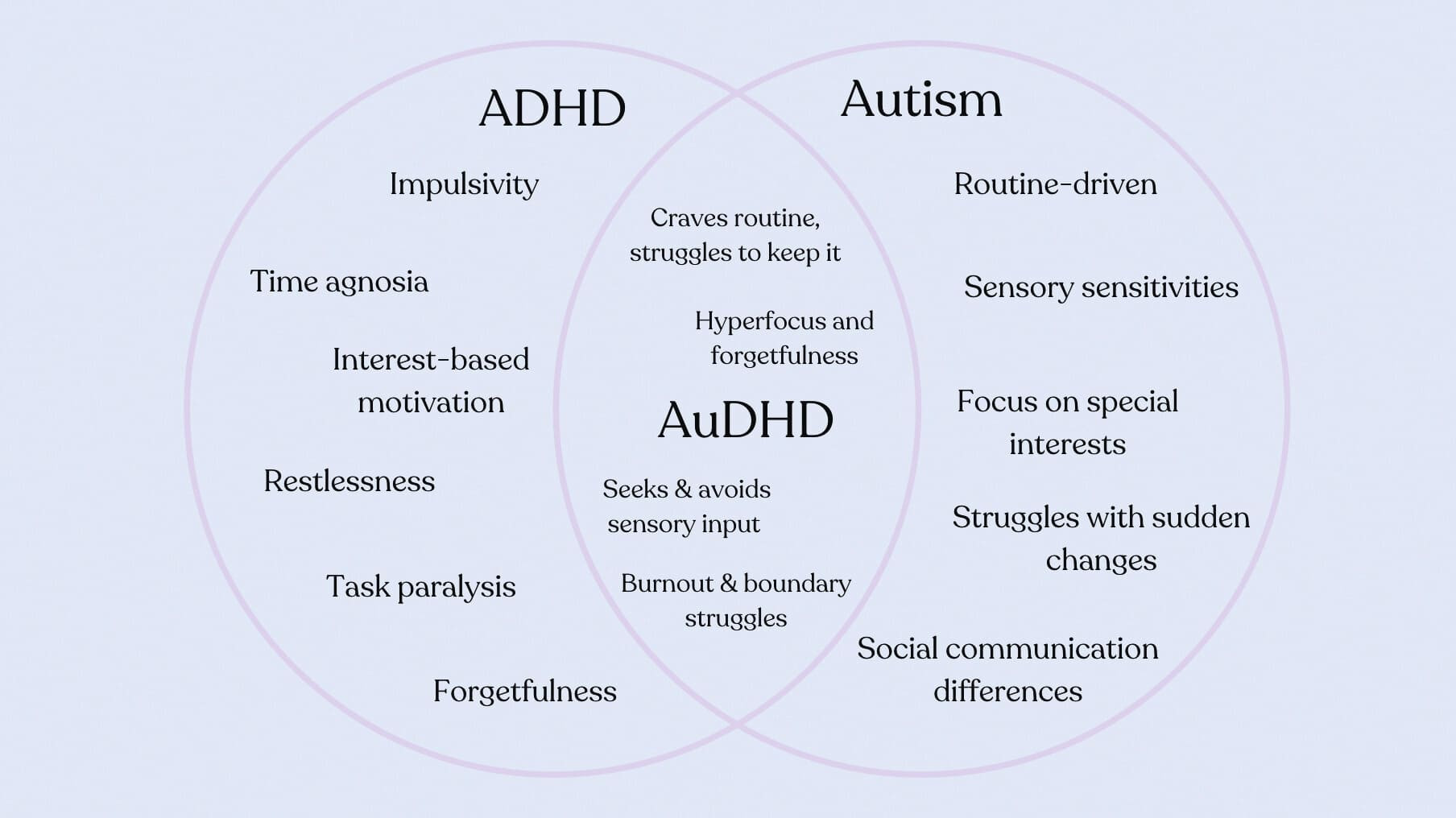
AuDHD is the co-occurrence of autism and ADHD, where traits can conflict or complement each other, creating a distinctive condition that requires balancing stability and change. The note emphasizes that AuDHD is not a sickness but a discovery of how one's brain works, and that neurodivergent individuals often develop deep insights and creativity through close observation of neurotypical behavior.
Precorporation is Mark Fisher's term for how capitalist culture pre-emptively formats and shapes our desires, aspirations, and hopes. The note argues that consumer products offer aesthetics as substitutes for genuine self-change, allowing people to signal nonconformity through purchases rather than challenge the system. It warns that buying a "new self" through objects cannot replace emotional or lifestyle changes.
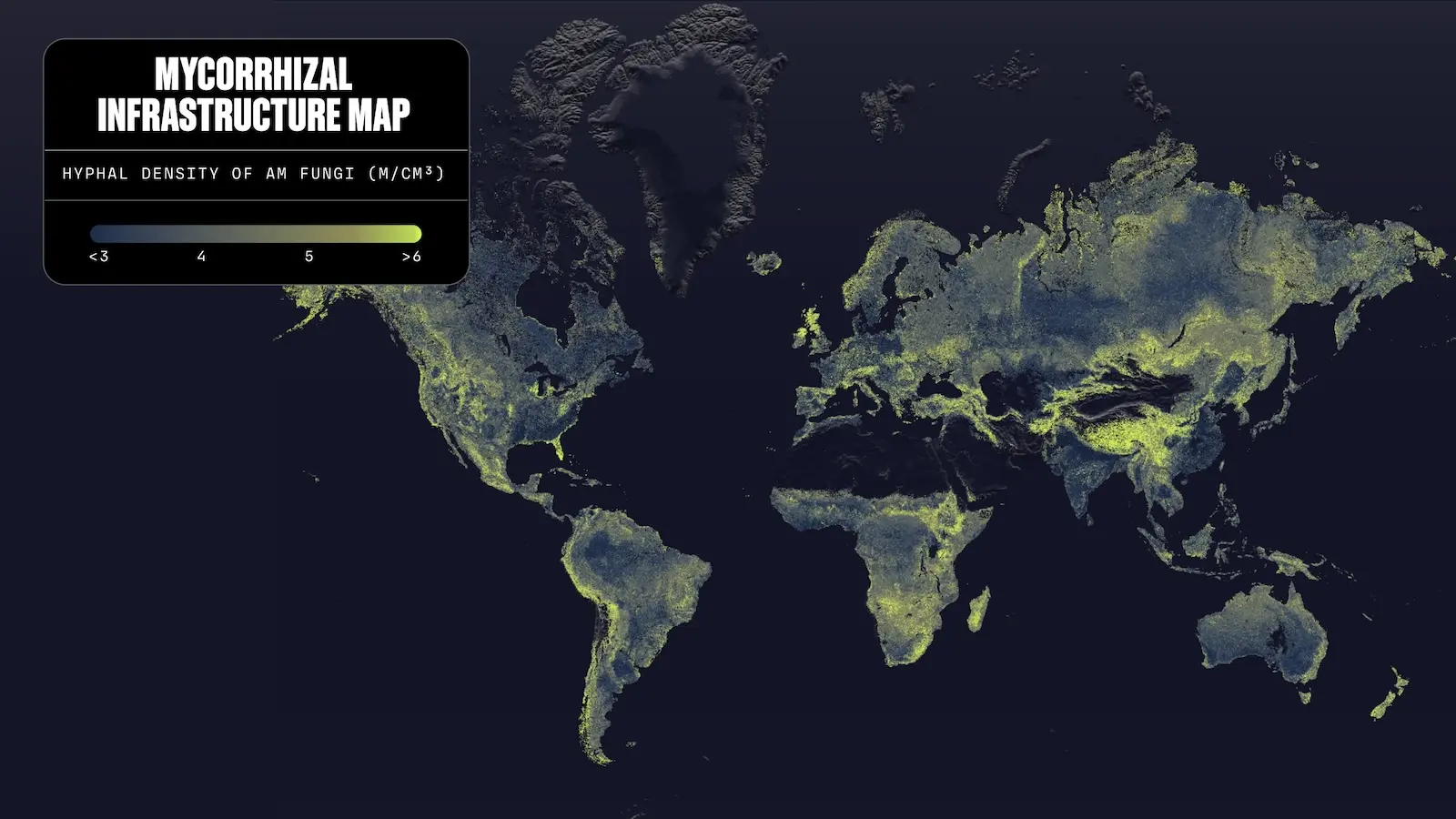
Scientists estimate the global arbuscular mycorrhizal fungal network stretches 110 quadrillion kilometers and shuttles 4 billion metric tons of carbon annually, equal to 11% of human CO2 emissions. Using machine learning on thousands of soil samples, researchers mapped the hidden infrastructure that circulates carbon and nutrients worldwide.
The US government issued an export control directive suspending access to Anthropic's Fable 5 and Mythos 5 models, citing a national security concern over a jailbreak vulnerability. Anthropic complied with the order while publicly disagreeing, stating the vulnerability was minor and that applying such a standard would halt all new frontier model deployments. The note reflects
Extreme wealth accumulation often relies on treating others as means rather than ends. The note uses Elon Musk as an example, noting that his wealth depends on market forces while his actions—such as dismantling USAID through DOGE—are projected to cause millions of additional deaths from disease and poverty.
Lance Robertson created "The Avatar in Chief," a speculative short film for a UC San Diego course on deepfakes. It presents a fake 60 Minutes segment set in 2037 about a president who governs through a synthetic AI avatar, with all content generated by AI tools. The film explores the implications of living in a world built by synthetic media.
Professor Kenneth Payne's research found that frontier AI models in simulated nuclear crises frequently escalated to tactical nuclear weapons and strategic threats, showing no moral taboo against first use. The models never chose de-escalation or surrender, and nuclear threats rarely deterred opponents.
The note summarizes a McSweeney's satire comparing AI company financing to a farmer buying mules for unrealistic productivity gains. It highlights the absurdity of expecting linear scaling of benefits and the hidden costs, using the allegory to comment on the AI investment bubble.
Paris-based motion design studio Parallel created a series of short animations called UNSATISFYING that turn frustrating real-life mishaps into digital clips. The series intentionally goes against the trend of oddly satisfying videos, aiming to make audiences cringe instead.
A place’s character shifts dramatically depending on the time of day and atmospheric conditions, such as fog or crowds. The note illustrates this with the Faroe Islands, where clear-weather cliffs and mist-shrouded, haunting landscapes feel like two different places. The core idea is that certain versions of a place only exist at specific moments.