In early 2027, FIELD STATION is planning to host a Digital Sovereignty Unconference in Newcastle-upon-Tyne. Sign up here for updates and to get involved!
Anthropic now requires government-issued ID for some Claude features, using Peter Thiel-backed Persona. The author worries this could enable nationalist or fascistic export controls on AI usage. They outline three responses: comply with obfuscation, run everything locally, or join a cooperative compute network.
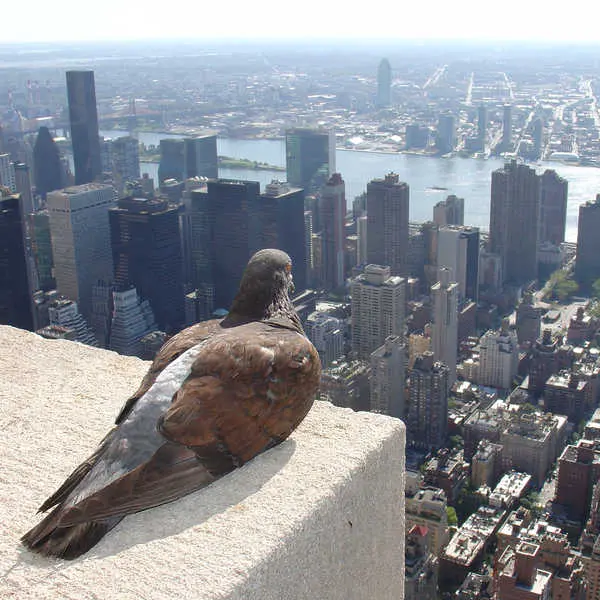
Personal reflection on avoiding "cringe" due to upbringing gives way to the realization that leaning into activities perceived as cringey, such as bird identification, can unlock personal and professional growth. Drawing on Cate Hall's concept, the note argues that existential cringe signals where the most progress can be made, and that freeing oneself from the fear of being cringe is creatively and motivationally valuable.
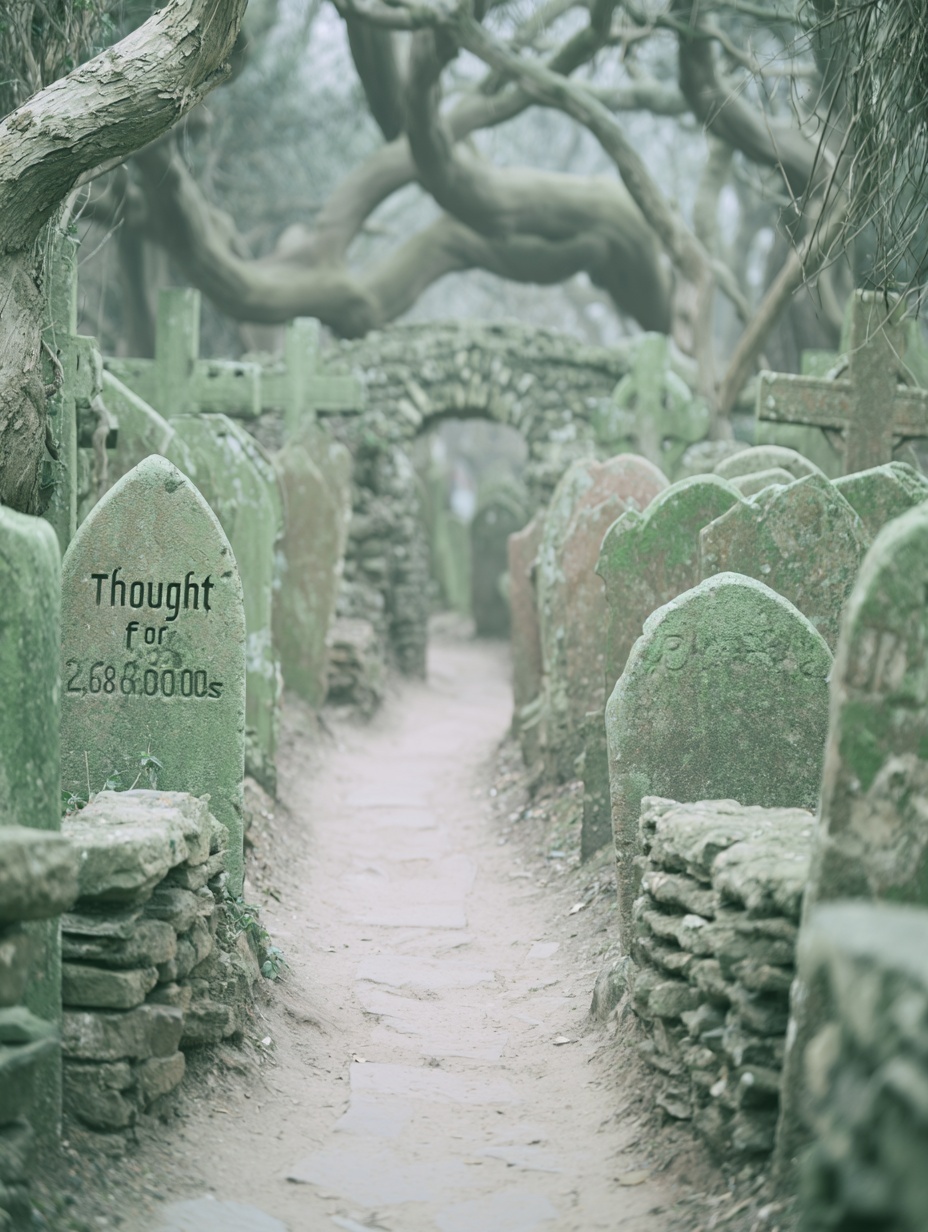
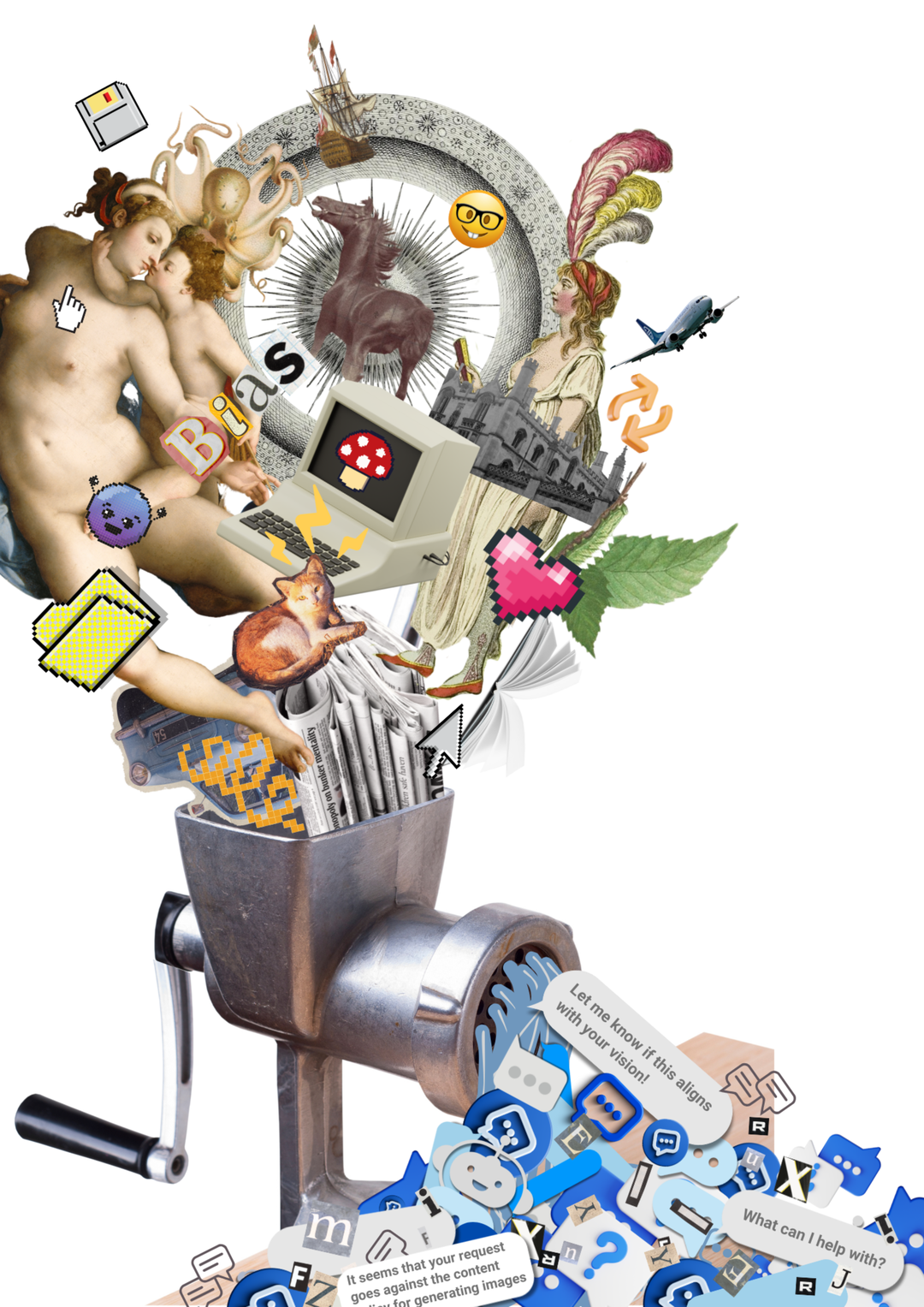
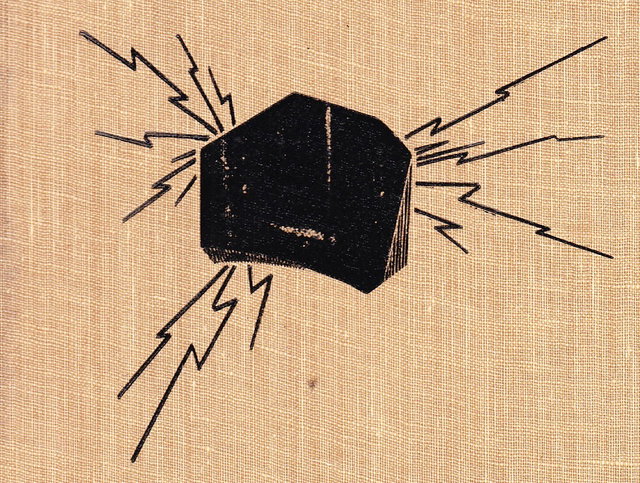
The author reflects on the phrase "Thought for 2,682,000,000s" and notes it would make a fitting epitaph on their tombstone. They used AI imagery for this note, which they rarely do, because the opportunity was too good to pass up.
If you find an intelligent companion, a wise and well-behaved person going the same way as yourself, then go along with him, overcoming all dangers, pleased at heart and mindful.
But if you do not find an intelligent companion, a wise and well-behaved person going the same way as yourself, then go on your way alone, like a king abandoning a conquered kingdom, or like a great elephant in the deep forest.
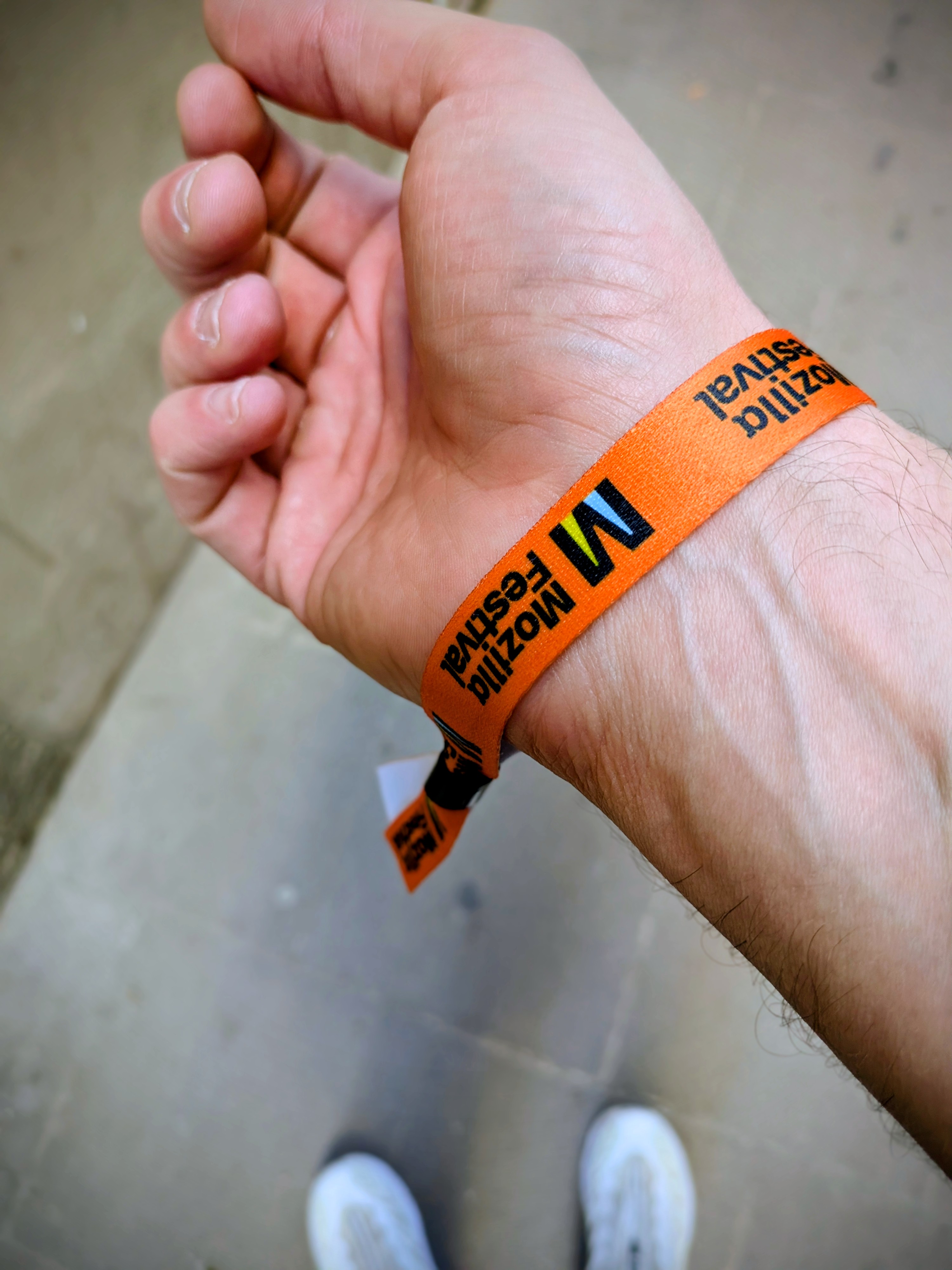
I've decided that I want to go to more in-person events, so I got my Little Robot Friend to come up with some options.
English-language, European (or noted otherwise), aligned with digital sovereignty, decentralised and federated systems, open education, digital credentials, systems thinking, co-ops and the commons. Wildcards and strong fits are labelled.
The note argues that the term "AI slop" is imprecise and unproductive, as it conflates distinct phenomena and shifts blame onto technology rather than the societal structures that enable low-quality content. It agrees with Manoel Horta Ribeiro that critiques should be more specific, noting that many pre-AI content forms already exhibited similar traits like superficial competence and mass producibility.
co/core is a cooperative where people share their own compute power to run AI for each other, instead of renting from large providers. The key innovation is an open standard for making inference requests and recording job results, allowing anyone to build their own exchange on top of it. This idea mirrors an earlier attempt to create a shared resource platform through WebRTC.
The note highlights Ryan Mather's advice on identifying and living by personal values, starting with understanding them as core principles even when unseen. It emphasizes setting small monthly goals aligned with those values and measuring daily progress, noting that values are what ultimately matter given life's inevitable end.
Reading things that are relevant to the facts of your life is of limited value. The facts are, after all, only the facts, and the yearning passionate part of you will not be met there. That is why reading ourselves as a fiction as well as fact is so liberating. The wider we read the freer we become.
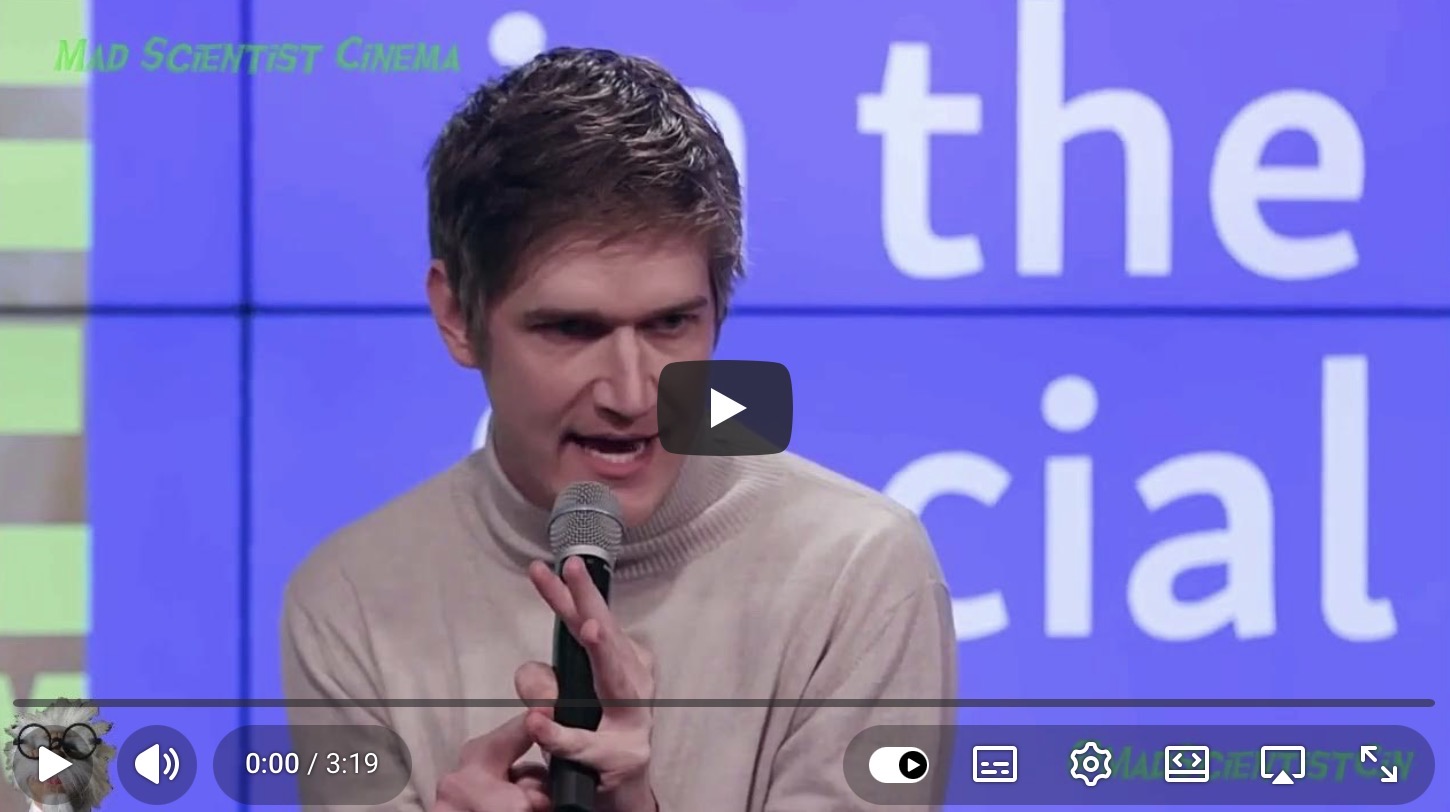
Bo Burnham discusses how corporations colonize our minds by capitalizing on every free second through social media and technology. The note reflects on the intense and insightful nature of his commentary on self-esteem and the effects of phones on kids and society.
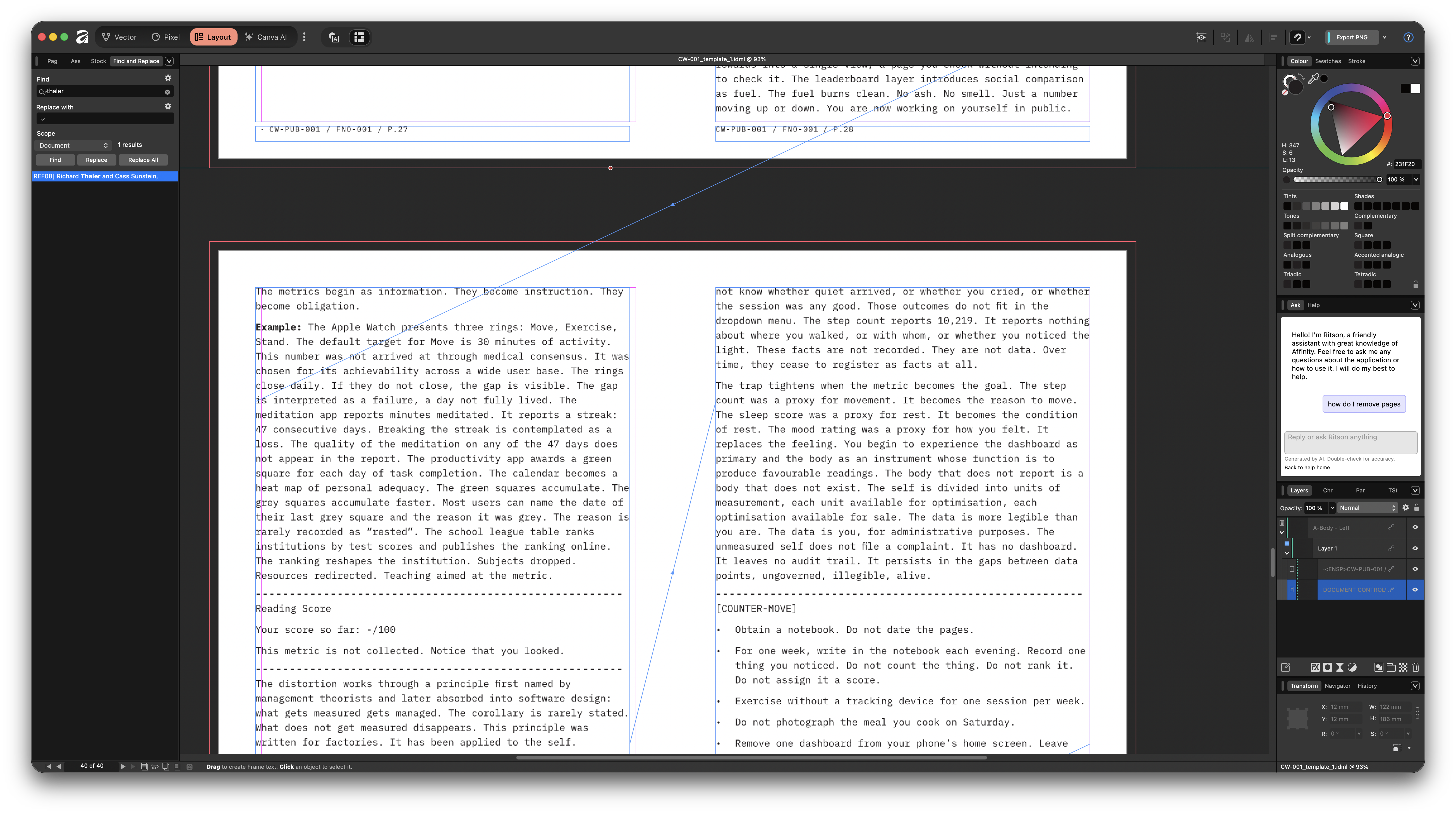
Putting together a zine is harder than expected because everything must be correct before printing, unlike web publishing where mistakes can be fixed after the fact. The author notes their usual publishing flow includes a fixable "oh shit" moment, but printed matter offers no such safety net.
I received an email from Flickr this morning notifying me that someone had favourites one of my images. It was a photo of an adult member of my family, but I was still a bit shocked.
Which is weird, because had that happened 10, 15, or 20 years ago I wouldn't have batted an eyelid. It's been quite a while since I marked all of the photos of my kids as private on Flickr, but I spent time this morning ensuring that photos including other family members are now private.
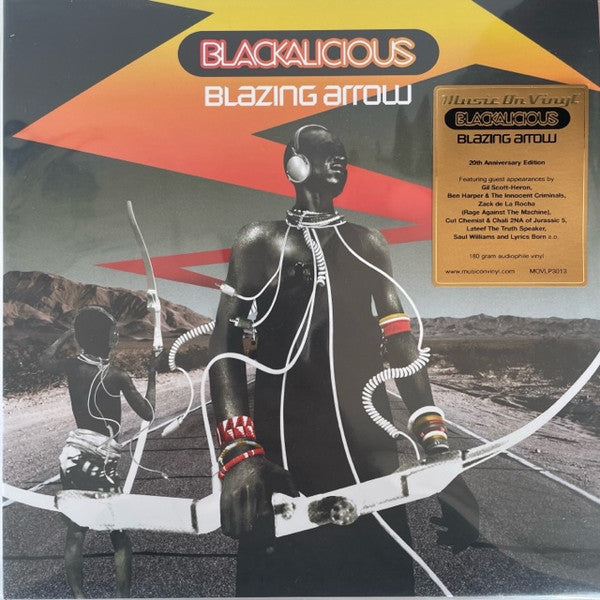
Headphones like AirPods create a personal "bubble" that can be comforting but also isolating, reducing spontaneous social interactions and increasing loneliness. Research indicates heavy headphone use makes people feel lonelier and less likely to engage in meaningful conversations, while also causing listeners to perceive audio content as more intimate and persuasive.
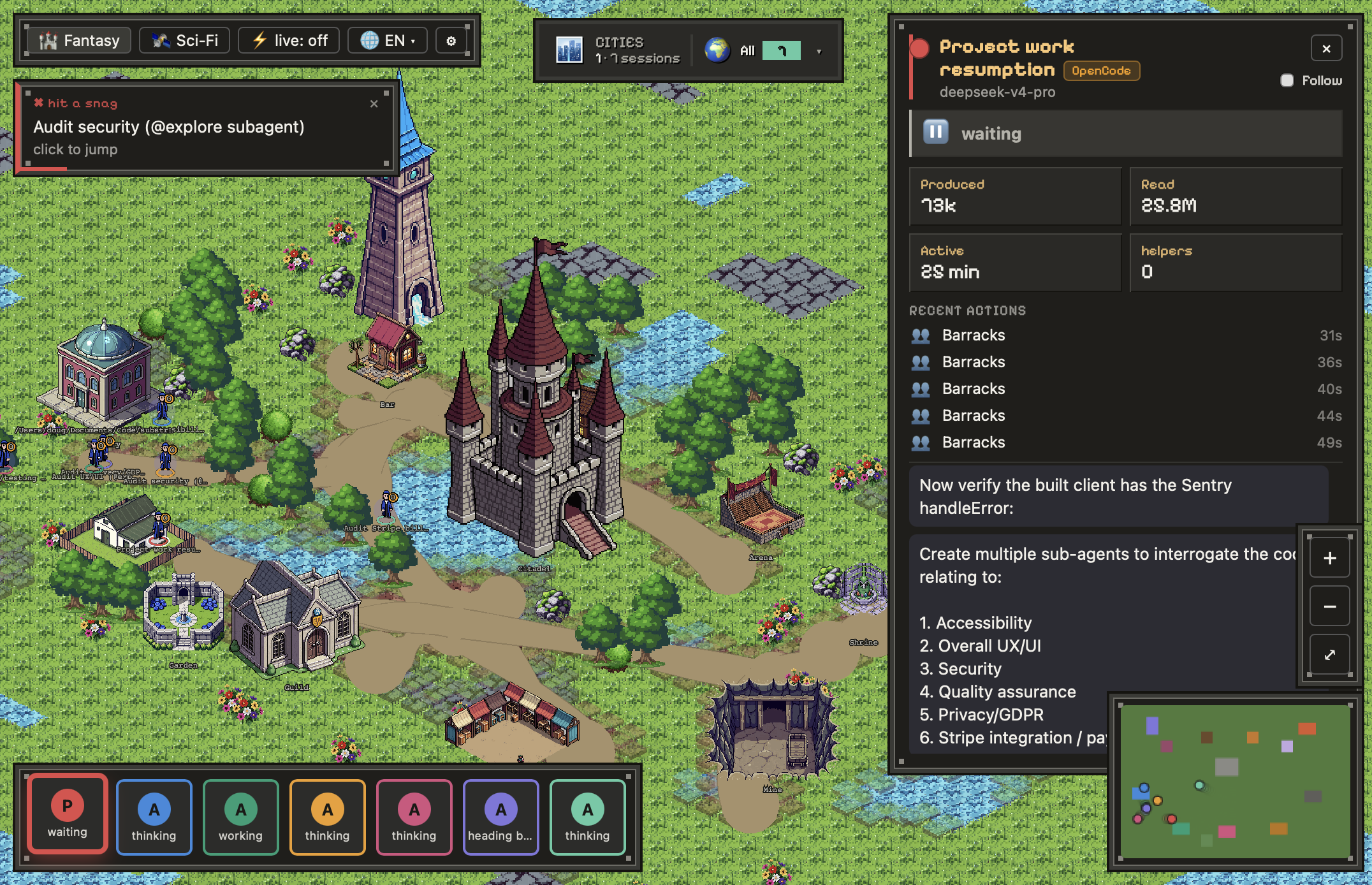
The note describes using PixelLab to create a real-time strategy game-like visualization of AI agents (Claude Code/OpenCode) working, displayed on an iPad connected to a Mac Studio. This setup allows the user to monitor agent status and see when attention is needed, which is less distracting than watching raw text. The project is based on the "Age of Agents" repository.
Google introduced v0.1 of the Open Knowledge Format (OKF), a standard that represents knowledge as a directory of markdown files with YAML frontmatter and a minimal set of conventions for interoperability. OKF is minimally opinionated, separates knowledge producers from consumers, and is not tied to any platform or proprietary system. The author found it a natural fit for their Substrate tool and implemented support immediately.

Apple's Vehicle Motion Cues, introduced in 2024, use the device's accelerometer and gyroscope to display moving dots on the screen that correspond to the vehicle's motion, reducing or eliminating motion sickness. The feature is designed to resolve the sensory conflict between a static display and the inner ear's detection of movement.
Cory Doctorow argues that Elon Musk's wealth has grown despite his failures since 2020, driven by memes and vibes rather than productivity. The true "dead economy" risk is that capital shifts from productive activities into memestocks, vibes, and bubbles, exemplified by defunding cancer research to build data centers for Musk's benefit. This misallocation threatens to create an economy that harms everyone.
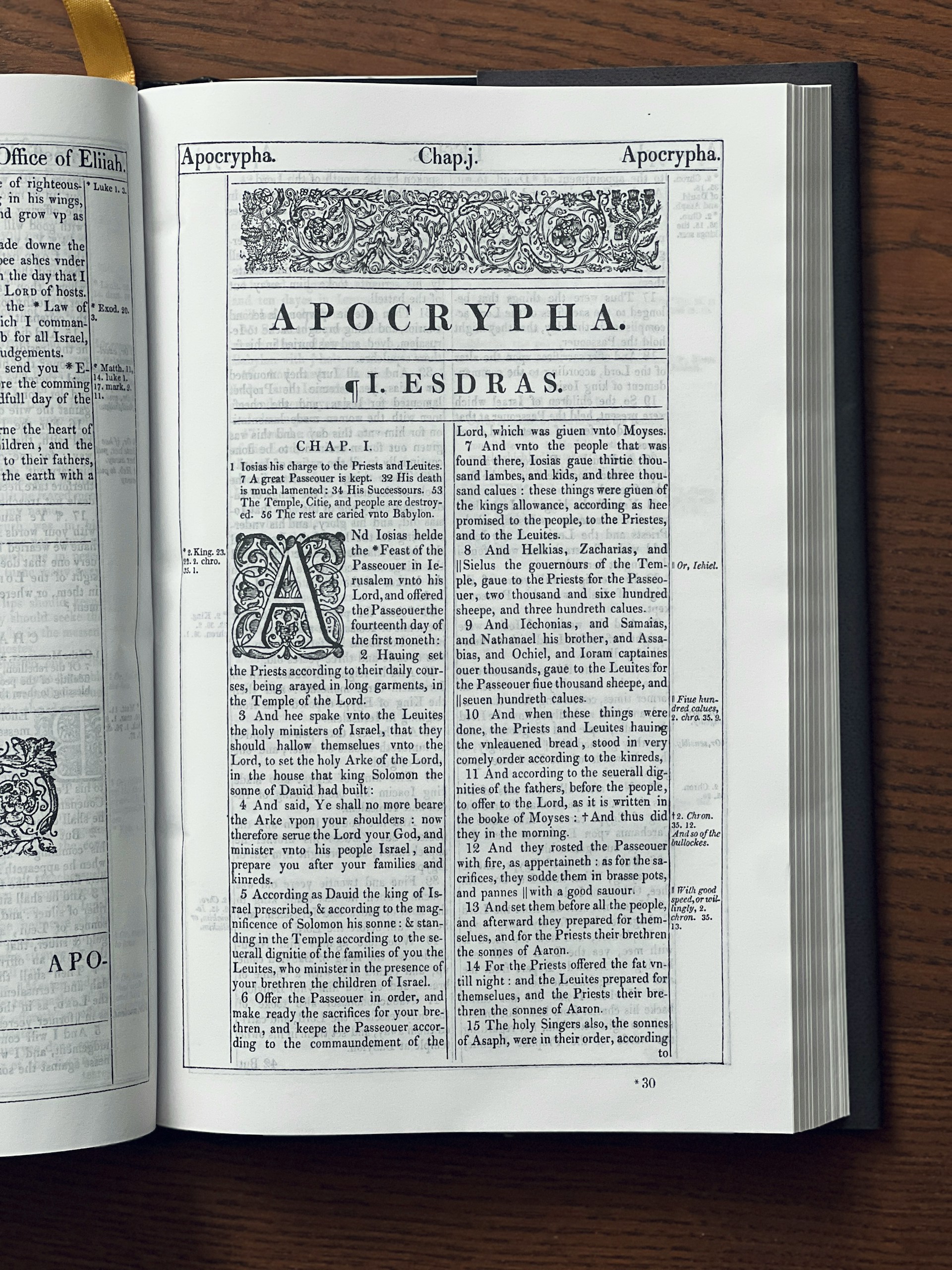
The note discusses apocryphal biblical stories, such as Jesus making sparrows come to life and St. Paul baptizing a lion. The author rejects the "deleted scenes" analogy, instead comparing them to the conflicting narratives in Rashomon. The apocrypha originated from Jerome's fourth-century Latin Bible translation, where he labeled extra Greek books as unverified.
Tom Watson presented at TechNExt using MarkDeck 3D for the first time since leaving Mozilla. The presentation covered TechFreedom and marked the debut of the 3D web presentation tool at the event.
folk.zone is a collection of free, open-source internet services run by one person on four machines, inspired by omg.lol and rooted in the IndieWeb. The author applauds the initiative but notes concerns about governance and burnout, though they acknowledge that initial individual effort can lead to a self-sustaining community.
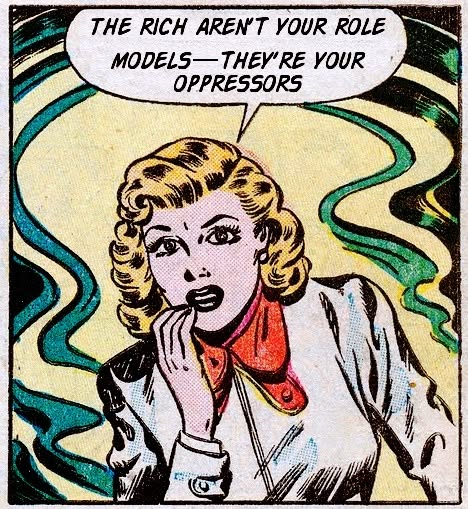
This note argues that extreme wealth, exemplified by trillionaires, represents a systemic failure rather than success, and that the rich are oppressors, not role models. It quotes the article to highlight how capitalism rewards ownership over social contribution, creating dangerous illusions that lead workers to identify with billionaires instead of their own class interests.
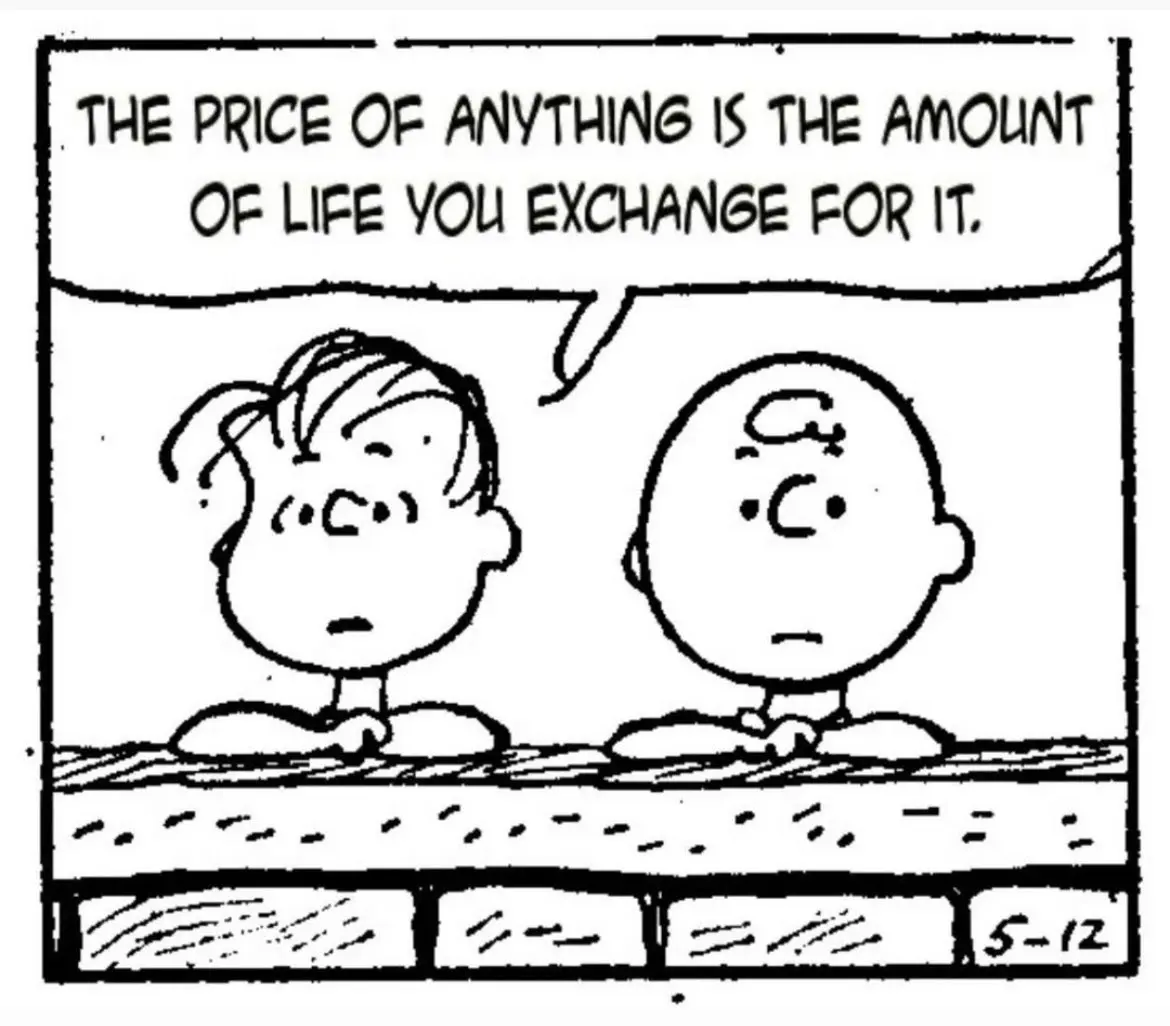
The note announces that the author, now in a good workflow on Substrate, will begin sharing some or all posts to their LinkedIn, Mastodon, and Bluesky accounts. It includes a Peanuts cartoon with the quote, "the price of anything is the amount of life you exchange for it."