
The airpod bubble
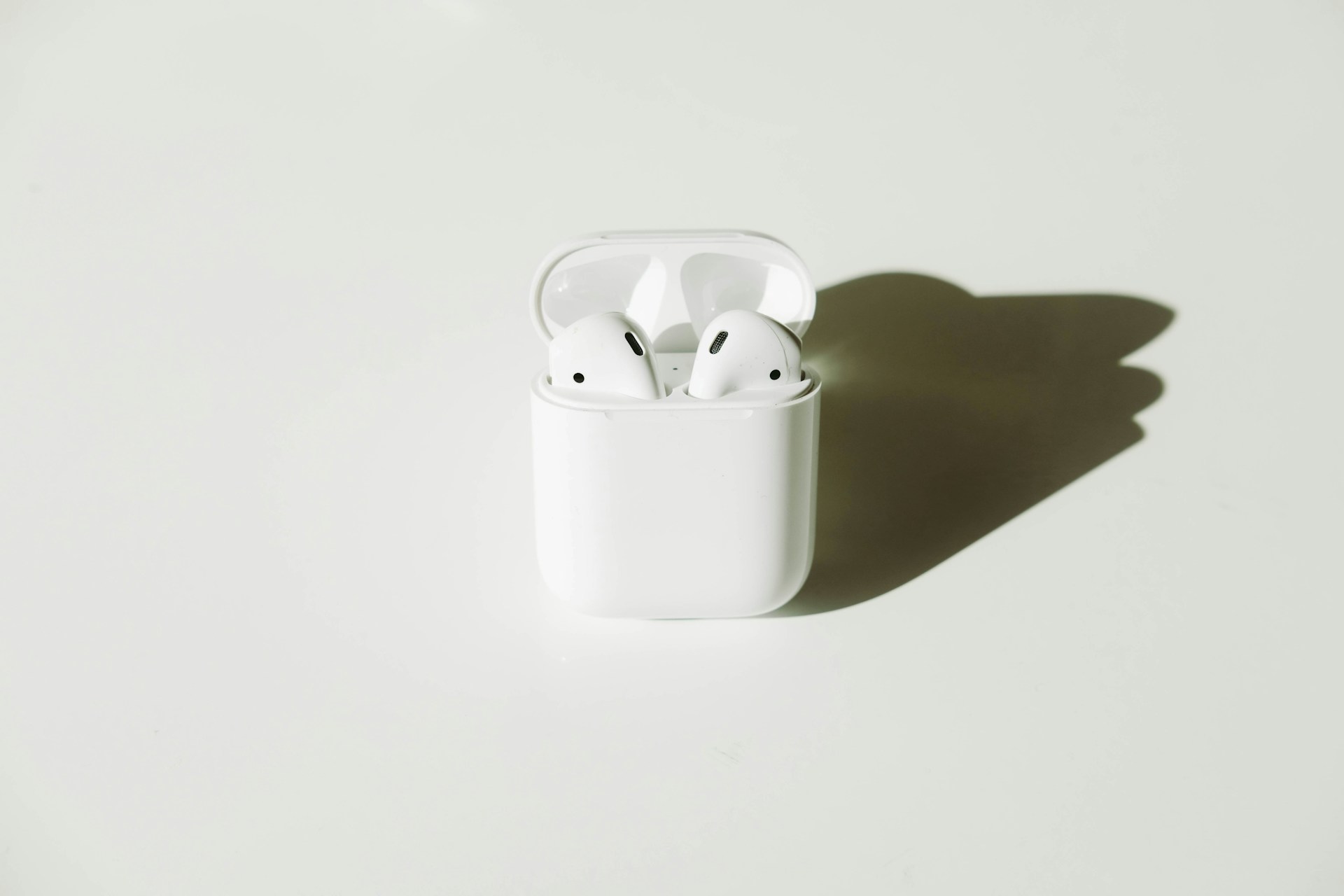
Ironically enough, I'm sitting in a public space with my earbuds in while I write this post. I live in a small town where what's described in this article is less pronounced, but it's still A Thing.
As someone who listens to a lot of music – I even use brain.fm to help me sleep – I'm very aware of the ability for headphones to create a 'bubble'. It can be comforting, but also isolating. My solution is to always take at least one earbud out when approaching someone I know, and to not have them in the entire time I'm working in public.
The world has definitely become louder in my lifetime, and so it's really useful to be able to retreat to a quiter, noise-cancelled place. It's particularly important for those who are neurodiverse where it's all-to-easy to become overstimulated. It can be a coping mechanism, but as this article points out, also a crutch.
There is disappointingly little peer-reviewed research on the effects earphones have on our daily lives and interactions. But the evidence we do have suggests that while AirPods and similar technologies do some wonderful things for us, they also subtly influence our beliefs, reinforce our insecurities, and push us farther apart.
During the pre-smartphone era of iPods and other portable music devices, a small study of college students found that those who were heavy users of headphones experienced higher levels of social isolation and loneliness.
More than 15 years later, in 2021, a survey conducted by the audio technology company Jabra came to similar conclusions. Heavy headphone use makes people feel lonelier, the survey found. It also makes people less likely to have a meaningful conversation with someone new. Many of those interviewed for the survey said they wore headphones in part to avoid having to talk to other people.
This habit of using headphones to dodge uncomfortable interactions may be especially common among younger adults, for whom social unease and feelings of isolation are well-documented problems that have become more common in recent decades.
“I believe human interaction is fading, largely in part to the constant usage of AirPods or other forms of headphones,” wrote Eva Long, a student at Liberty University in Virginia, in a 2025 opinion piece for her school’s newspaper, The Liberty Champion.
“No one talks on the bus. No one greets the barista. Even in class, students are choosing to listen to music instead of their professors,” Long wrote. “When passing someone I know who has AirPods in their ears, it’s difficult to catch their attention unless we make direct eye contact. This lack of engagement is discouraging, and it makes spontaneous social connections less likely.”
Headphones “are a social crutch, granting us the ability to tune in or out of the world as we please,” wrote sophomore Katelyn Halverson in The Cornell Daily Sun. “Interpersonal interaction in public spaces has become more or less optional with the use of headphones — and it appears that the majority (myself included) have a sneaky tendency to opt out.”
[...]
The problem is that unless you already know the AirPod wearer and you’re confident they won’t be bothered if you start chatting with them, earphones are the equivalent of a “Do Not Disturb” sign. We see them and assume the person wearing them is either listening to something or trying to block out distraction. To strike up a conversation with someone wearing earbuds feels intrusive — like you’re bulling your way into their personal space without permission.
[...]
Apart from throwing up roadblocks that prevent these sorts of casual interactions, earbuds may change our relationship to the content we consume.
For a study creepily (but aptly) titled “A Voice Inside My Head,” researchers at several University of California schools found that when people listened to podcast-style audio content through headphones, as opposed to via speakers, they tended to form a more positive impression of the person delivering the podcast. They perceived the podcaster to be warmer and friendlier, more persuasive, and more empathetic than if they listened to the same piece of content on speakers.
The explanation for this, according to the study’s authors, is that headphones may reduce the psychological distance between listener and speaker; headphones give listeners the sense that the speaker’s voice is coming from inside their head — almost as though the voice they’re hearing and their own internal thoughts are one and the same. “It is important to understand how the medium through which people listen can affect their perceptions, attitudes, and behaviors,” the study’s authors wrote. “We find consistent evidence that listening to a message via headphones (vs. speakers) leads listeners to feel closer to communicators, leading to different psychological and behavioral responses to messages.”
Source: Markham Heid