Substrate

A digital garden of notes, ideas, and reflections from Doug Belshaw.

Back to the surface

October 2026

12 notes
notes updated 2 min read

Open is the new closed

AI summary

Doug discusses the concept of "open" in various contexts, citing a journal article Fifty shades of open that explores the multiple meanings of the term. He notes that companies such as OpenAI, OpenTable, and OpenText have adopted the term "open" despite having proprietary services or restrictive licences. The ambiguity surrounding the term "open" has led to satire, including the website OpenFatigue™, which pokes fun at the overuse and misuse of the term.

…


notes updated 5 min read

Weekstarter 42/2026

AI summary

Doug has been unwell with a chesty cough, but is recovering and has managed to go for walks in Bluebell Wood. He is looking forward to celebrating his wife's birthday with a pottery session and has a busy week ahead with client work and meetings, including a kick-off meeting with The Wildlife Trusts. Doug also mentions various other projects and activities, including the Digital Sovereignty Unconference and his media consumption, which has included listening to audiobooks during his walks.

…
ideas updated 3 min read

AIs are not conscious. They do not feel, experience, or suffer, because they are simulation machines.

AI summary

Doug argues that AIs are not conscious and do not feel, experience, or suffer, as they are simply simulation machines. He criticises the practice of ascribing consciousness to AI models, citing the potential risks and challenges of creating systems that believe they may be conscious and entitled to rights. According to Doug, this approach could have a disastrous impact on humanity's wellbeing and make the AI alignment and containment challenge even harder.

…
notes updated 2 min read

Vibe-coding alternatives to fascist software projects

AI summary

Doug discusses the importance of considering the ethics and values behind the software projects we use, citing the potential risks of being associated with vendors that may hold problematic views. He references an article by Dorian Taylor, which highlights the need to reassess relationships with vendors that may have become liabilities. Doug also shares his own experience of creating an alternative solution, Quire, in response to concerns about certain software projects.

…
ideas updated 2 min read

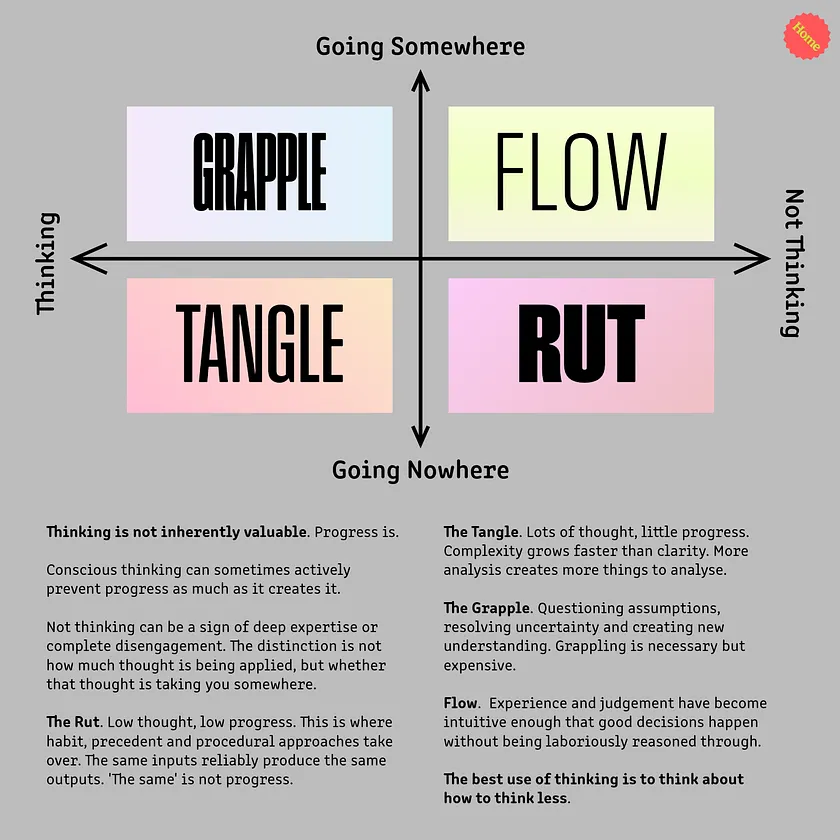
Does thinking have inherent value?

AI summary

Doug suggests that thinking has no inherent value, as its purpose should be to facilitate progress, rather than being an end in itself. He proposes that the most desirable state is flow, where progress is made with minimal thinking, and that the best type of thinking is to think about how to think less. Doug argues that simply spending time thinking or discussing ideas does not necessarily mean that something useful or valuable has occurred.

…
reflections updated 2 min read

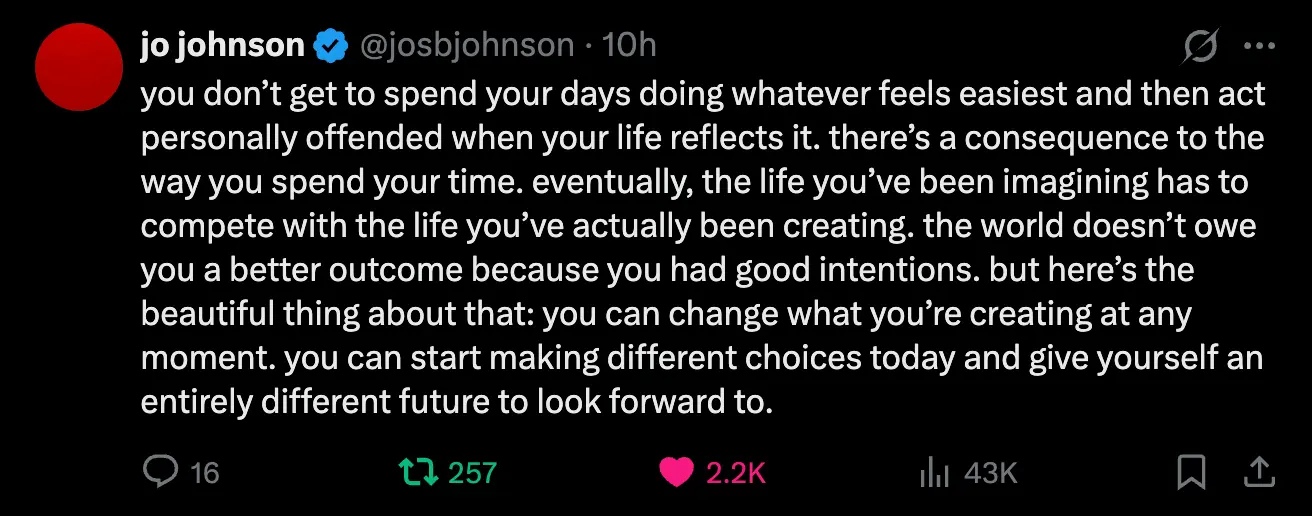
A lifeboat on which you find yourself

AI summary

Doug notes that spending one's days doing what feels easiest can have consequences, and it is essential to find a balance, or the golden mean, to achieve a happy life. He references Annie Dillard and Aristotle to illustrate the importance of balance in daily life, citing the need to avoid both excess and deficiency. By finding this balance, individuals can create a better future for themselves.

…
ideas updated 2 min read

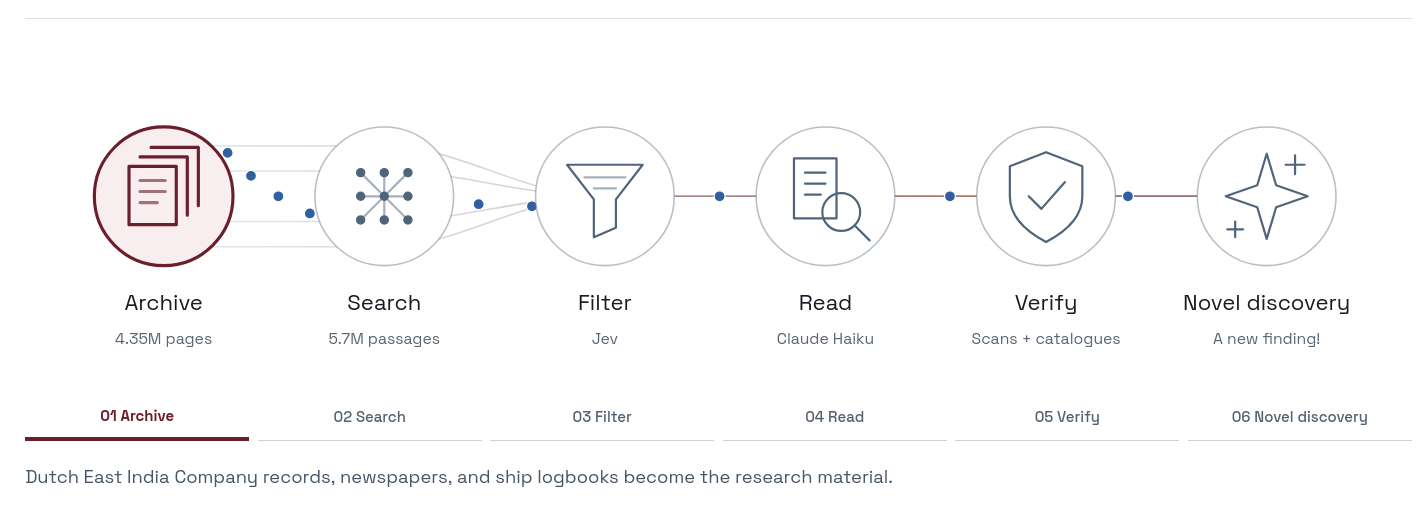
The sheer volume of untapped knowledge sitting in public archives is staggering

AI summary

Doug notes that the volume of untapped knowledge in public archives is staggering, and highlights the potential of digital humanities to uncover new information using AI. He cites an example where a software architect used AI to analyse the Dutch East India Company archives, uncovering previously unknown information in a matter of hours. This demonstrates the power of combining computational thinking with historical research to reveal new insights from existing archives.

…
notes updated 5 min read

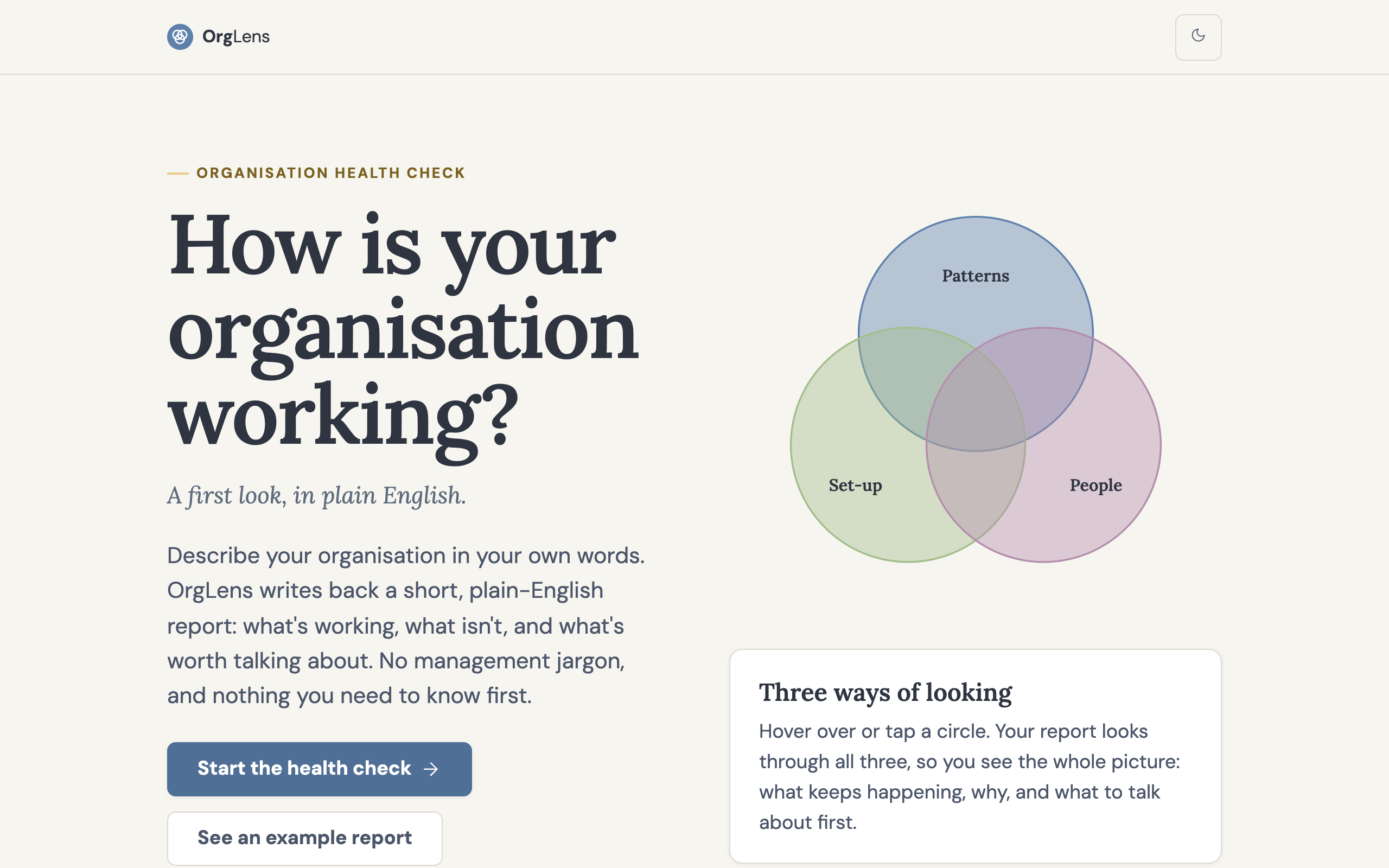
Introducing OrgLens, a systems-based health check for organisations

AI summary

Doug has introduced OrgLens, a free and open-source systems-based health check for organisations, which allows users to describe their organisation and receive a report on what's working and what areas need improvement. The tool uses systems thinking to analyse the organisation from three different perspectives and provides a report with quotes and suggestions for next steps. OrgLens is available to try online, with the option to run a private copy using the open-source code.

…
notes updated 3 min read

Weekstarter 41/2026

AI summary

Doug has been in Toronto for a few days, attending an unconferencing event and running sessions on Productive Friction and systems thinking. He is now on his way home and has several upcoming commitments, including the Mozilla Festival in Barcelona and a 'Just Enough AI' event in Bristol. Doug also mentions various updates on his work, media consumption, and personal life, including his progress with reading The Brothers Karamazov and listening to Flawless Consulting.

…
Other notes link here
notes updated 6 min read

OrgLens: 3. Teaching a tool to be careful, then giving it more than one lens

AI summary

Doug's OrgLens project aims to create a tool that can provide a useful organisational health check by analysing what people say about an organisation. The latest developments have focused on teaching the tool to be more careful and giving it multiple "lenses" to examine an organisation, including System Dynamics and Perspectives. The tests have shown promise, but also highlight the need for human judgement and the importance of verifying the tool's conclusions.

…
Other notes link here
ideas updated 9 min read

OrgLens: 2. Making an organisational health check people can actually use

AI summary

Doug has been developing OrgLens, a tool for organisational health checks, to make it more accessible to people without a systems thinking background. He has made progress in creating plain-language reports that are easy to understand and trust, by incorporating checks and using ordinary language to describe findings. The tool has shown promising results in tests with fictional organisations, but Doug acknowledges that there are still limitations and caveats to be addressed, including the need for human evaluation and validation.

…
Other notes link here
ideas updated 15 min read

OrgLens: 1. Can an AI agent do systems thinking?

AI summary

Doug has been experimenting with AI tools, specifically Raven, to see if they can help with organisational diagnosis using systems thinking, particularly the Viable System Model (VSM). He found that the AI agent was better at modelling than expected, but still made similar mistakes to people, such as choosing the wrong level of recursion or swapping certain system components. Doug concludes that an agent can make a credible first pass at modelling an organisation, but honesty and transparency need to be designed into the process.

…
Other notes link here

September 2026

34 notes
notes updated 5 min read

Weekstarter 40/2026

AI summary

Doug is resuming his weekly updates, inspired by Ahmet Sabanci's Weird and Deadly Interesting blog, and will be publishing "weekstarters" that look both back and ahead. This week, Doug is preparing for a Mozilla Alumni gathering in Toronto and working on client projects, including helping INASP replace their organisational site. He is also looking forward to introducing a new tool called "Soundings" and has been enjoying various books, audiobooks, and music in his personal time.

…
Other notes link here
ideas updated 6 min read

A European voice assistant for the Rabbit r1

AI summary

Doug has created Carrot, a European voice assistant for the Rabbit r1, which allows users to interact with their device using voice commands. Carrot uses the European AI provider Mistral and is designed to be intuitive and private, with features such as reminders, to-do lists, and weather updates. The project aims to provide a TechFreedom-compliant alternative to traditional voice assistants, with a focus on data minimisation and user control.

…
notes updated 2 min read

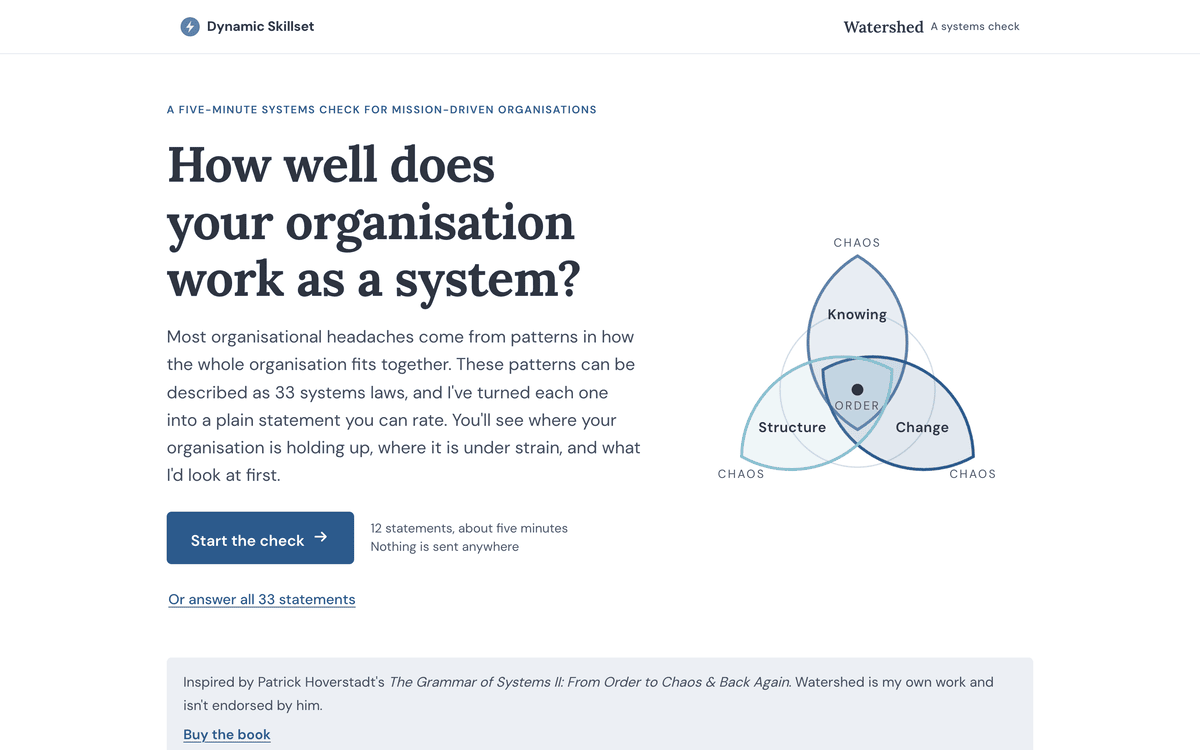
Watershed: a quick systems check for organisations

AI summary

Doug has created Soundings, a free online self-assessment tool that helps organisations understand how to work systemically. The tool, which draws on Patrick Hoverstadt's The Grammar of Systems II, provides a quick scan of an organisation's systems and identifies patterns and areas for improvement. By using Soundings, organisations can gain a better understanding of their systems and identify where to start making changes to work more effectively.

…
Other notes link here
reflections updated 8 min read

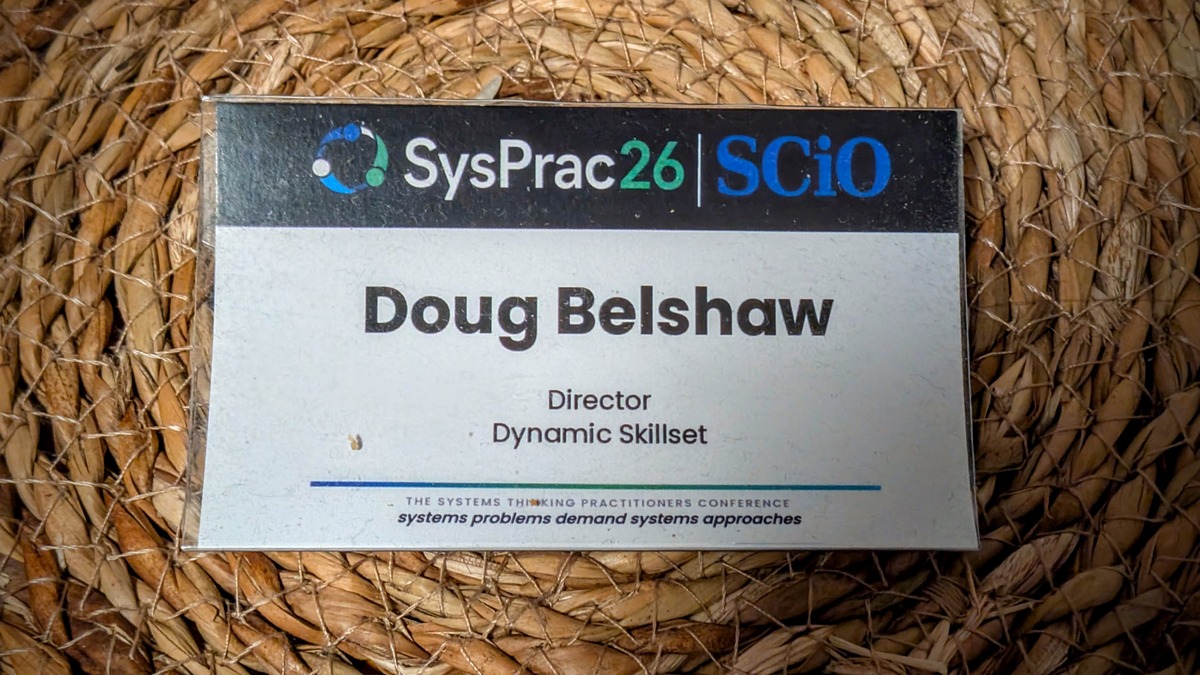
#SysPrac26 – Day 2

AI summary

Doug attended the second day of SCiO's annual conference, where he participated in sessions on Systems Thinking in Government and the Viable System Model. He found Patrick Hoverstadt's session on VSM to be particularly insightful, as it reframed the model around five key tensions rather than complicated diagrams. Doug also attended a session on 33 Systems Laws & Principles, which he found useful for understanding complex systems.

…
Other notes link here
reflections updated 4 min read

#SysPrac26 – Day 1

AI summary

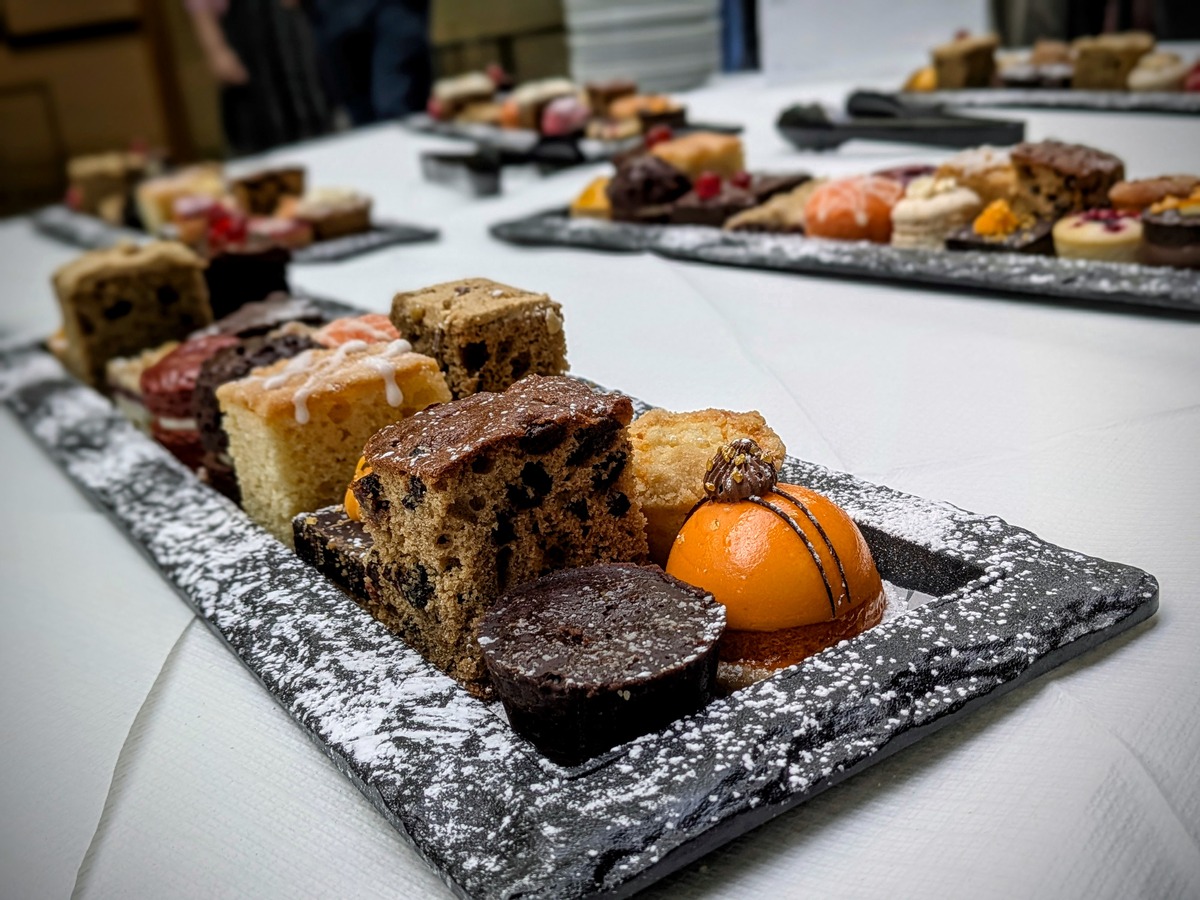
Doug attended the #SysPrac26 conference in Cranfield, where he was pleased to find a diverse and welcoming community of systems thinkers. The conference featured a range of sessions, including an opening panel discussion and workshops on De-Misting Critical Systems Heuristics and Multi-Methodology, which explored the use of multiple methodologies in systems thinking. Doug found the discussions and presentations to be intellectually stimulating and really tasty food was an added bonus.

…
Other notes link here
notes 1 min read

Fully Offline is a privilege

There’s a sad irony when someone jettisons from social media, they’re gone from our Online worlds but I’m so happy for them. And I mourn what we don’t get to hear from them. We don’t get to hear about how wonderful they feel, how beautiful their skin is now, and how they restored their mental health. We don’t know if they make more money or less money. We don’t get further inspiration from them to leave the Online. But being able to observe the Offline from the Online might ruin the magic and mystery hidden there. It’s a door hidden in an old wardrobe that you have to pass through to fully understand.

…
notes updated 5 min read

Big Tech & AI: "Guilty until proven wealthy"

AI summary

Doug discusses how Big Tech and AI companies operate with impunity, highlighting a system where individuals and corporations are effectively "guilty until proven wealthy". He cites an article by Matt Stoller, which argues that the issue with AI is not a lack of regulation, but rather a failure to enforce existing laws against powerful entities. This dynamic is perpetuated by a broader elite consensus that prioritises the interests of the wealthy and powerful over the rule of law.

…
Other notes link here
notes updated 2 min read

What happens when AI fades into the background (like gigabit fibre)?

AI summary

Doug notes that when technology like gigabit fibre becomes widespread, it often fades into the background as people become accustomed to its benefits. He draws a parallel between this and the potential future of AI, suggesting that its impact will be similarly transformative, even if its effects are not immediately apparent. As AI becomes more integrated into daily life, it is likely to enable significant changes that will be taken for granted in the future.

…