In early 2027, FIELD STATION is planning to host a Digital Sovereignty Unconference in Newcastle-upon-Tyne. Sign up here for updates and to get involved!
Doug developed an unofficial macOS app, Garmin Music Manager, to simplify music management on Garmin watches, bypassing the need for Garmin Express or Apple Music. The app offers drag-and-drop functionality, playlist management, and works independently of other software.
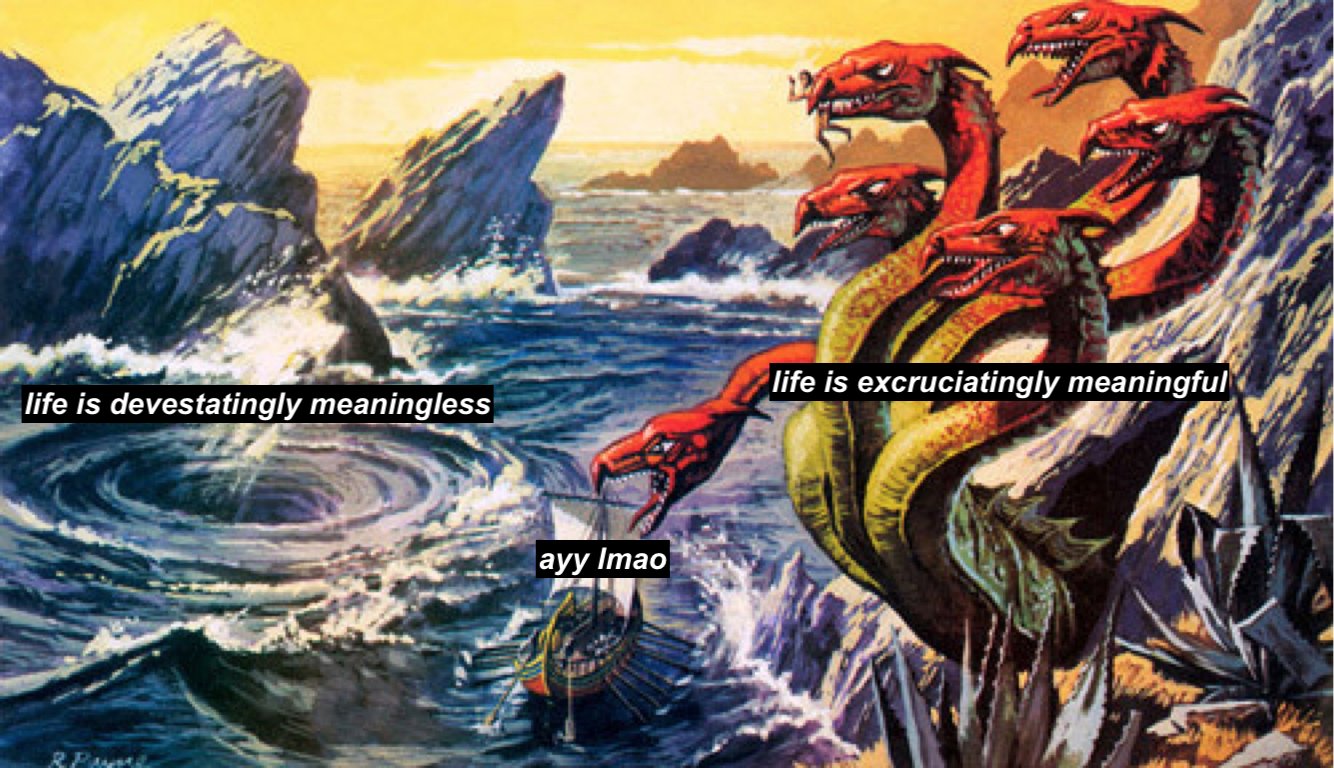
For a seed to achieve its greatest expression, it must come completely undone. The shell cracks, its insides come out and everything changes. To someone who doesn’t understand growth, it would look like complete destruction.
When a complex system is far from equilibrium, small islands of coherence in a sea of chaos have the capacity to shift the entire system to a higher order.
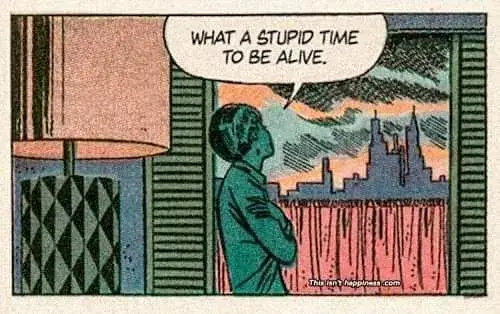
Doug argues that despite global issues, the present time offers significant advantages. He highlights increased life expectancy, reduced violence, growth in clean energy, widespread access to knowledge, and decreased extreme poverty as key reasons why it's a great time to be alive.
Doug's News Canary for 5 July 2026 is a weekly compilation of global change signals, blending hard developments and soft cultural shifts from each continent. It highlights key stories such as China's ethnic unity law, Venezuela's earthquakes, Peru's presidential election, and various geopolitical and environmental issues, all curated with a focus on scale, impact, and future potential.
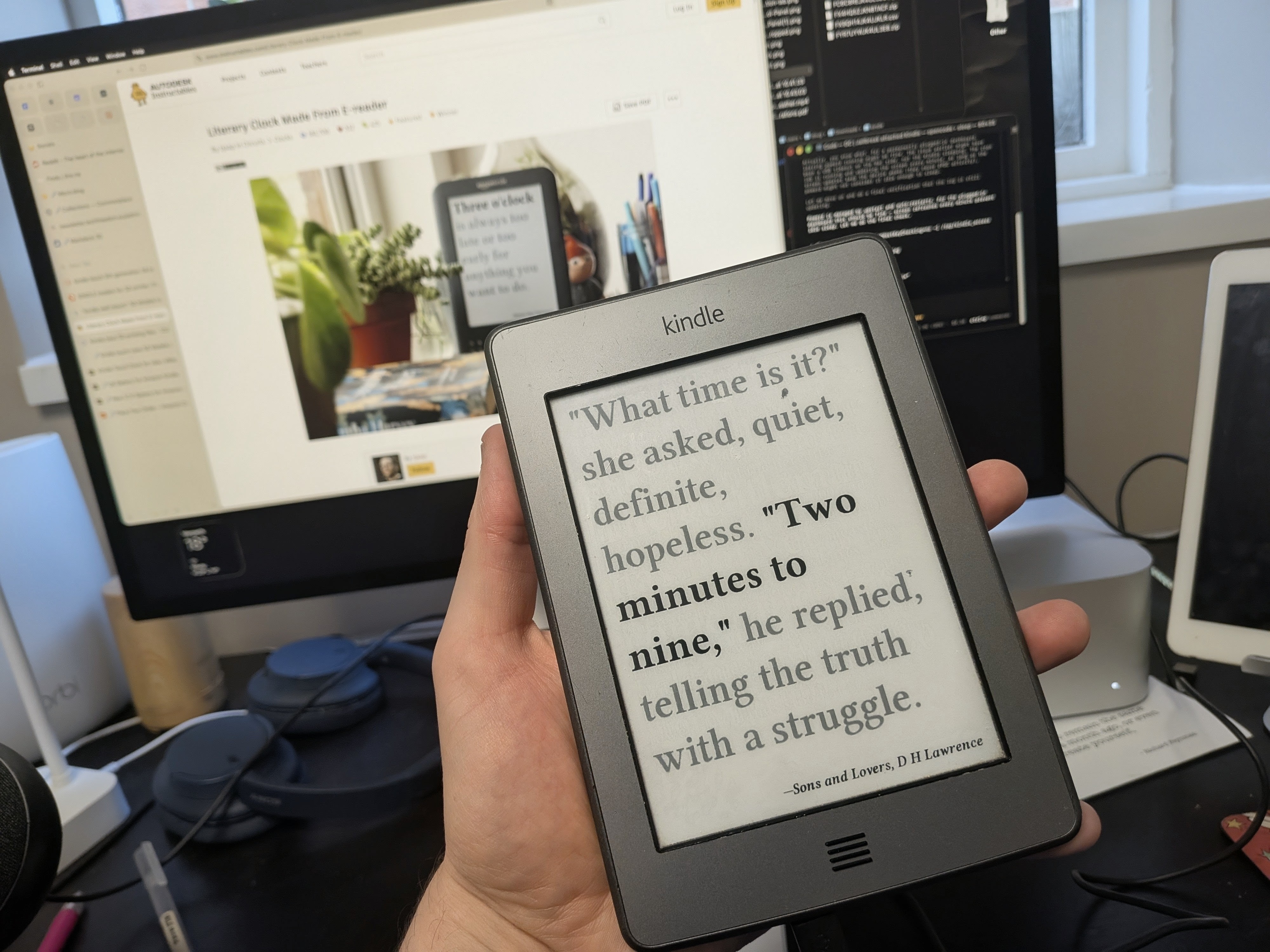
The great thing about LLMs is that I can point them at blog posts like this one explaining how to jailbreak an old Kindle and turn it into a 'literary clock', then tell them to crack on. With a bit of guidance and troubleshooting they can do stuff that either I would never get round to, or I'd get frustrated by.
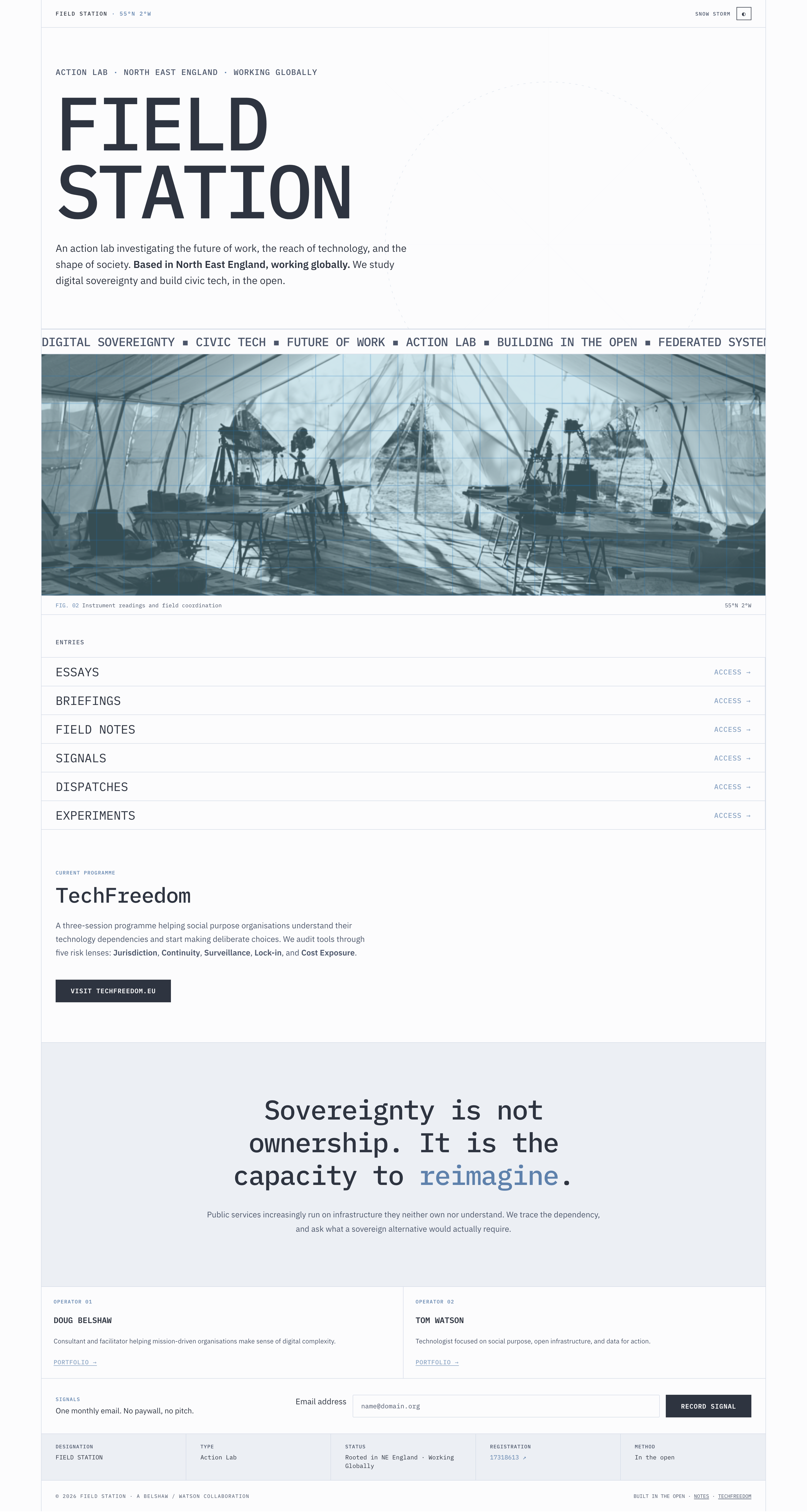
Doug has officially launched his new venture, FIELD STATION, along with Tom Watson. The company has been incorporated at Companies House and is now operational, with Doug currently setting up bank accounts and accounting software. He is eager to find clients and encourages interested parties to get in touch.
Doug has upgraded TaskDial to include an energy curve and weather information. These additions aim to enhance productivity by helping users plan tasks based on their energy levels and local weather conditions. A video demonstration is available.
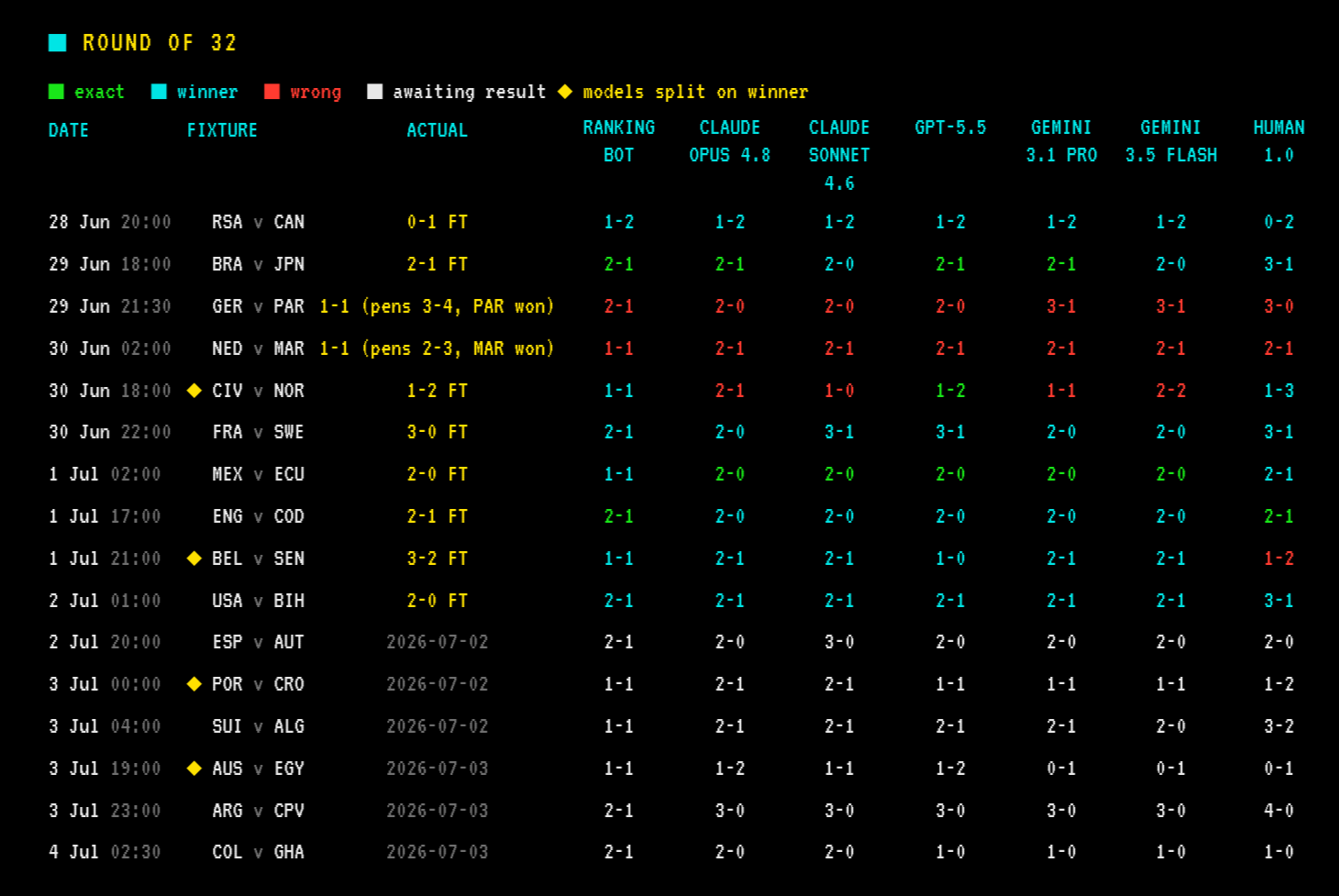
Doug explores the use of AI models to predict World Cup 2026 game outcomes, comparing them to FIFA rankings and human predictions. He notes that while some models show slightly higher accuracy, the differences are not statistically significant, with results ranging from 56% to 65% correct outcomes. The analysis includes a breakdown of performance for various AI models and a human predictor.
"We all know the elephant in the room' — the topic that everyone knows is there, but no one talks about. But what about the mosquitoes in the room, the tiny things we sense but ignore?"
— Mariana Alessandri, 'The fourth wall' (New Philosopher, #49)
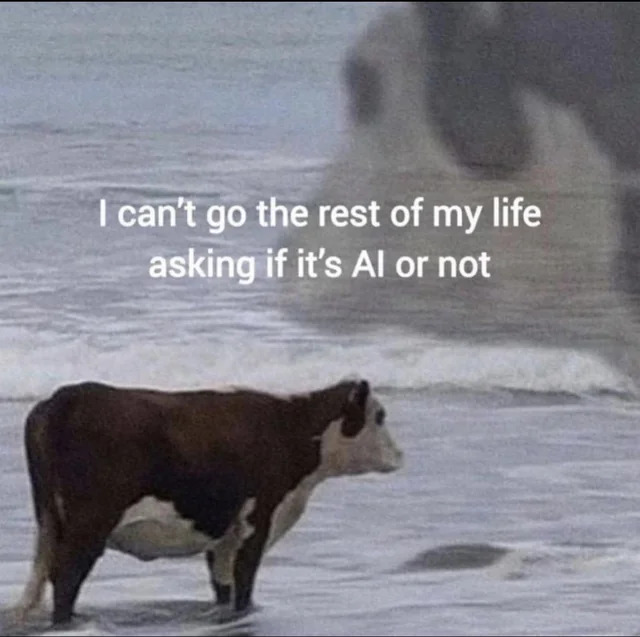
Doug argues that the focus should not be on whether something is AI or not, but rather on the practical outcomes it produces. He criticises those who fetishise human creativity and misunderstand the role of tools as amplifiers, not causal agents. Doug chooses to live his values and evaluate the difference AI makes in practice, rather than policing its use.
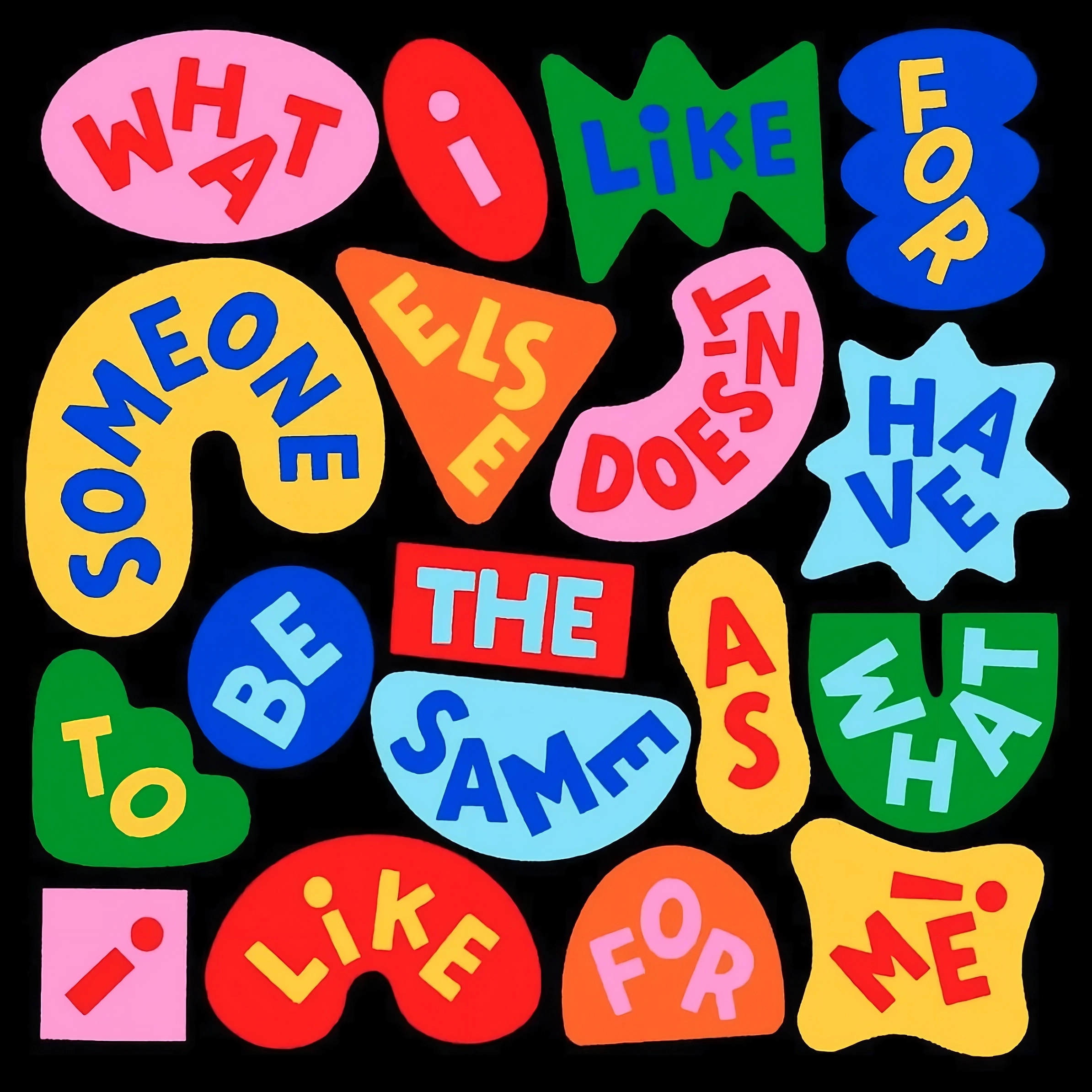
Doug discusses the concept of Pragmatism, highlighting its distinction from the more casual use of the term 'pragmatism', and draws an analogy with Stoicism. He encourages readers to learn about Pragmatism, also referencing Eudaimonia. Doug shares his thoughts alongside an image, which he notes has a charm due to a misspelled word.
Doug suggests that individuals can achieve notable results with folk software by utilising five key approaches, including creating specific skills and using tools like batching and test-driven development. These methods enable users to build effective systems with Large Language Models (LLMs). By implementing these strategies, users can improve their overall folk software experience and create more efficient systems.
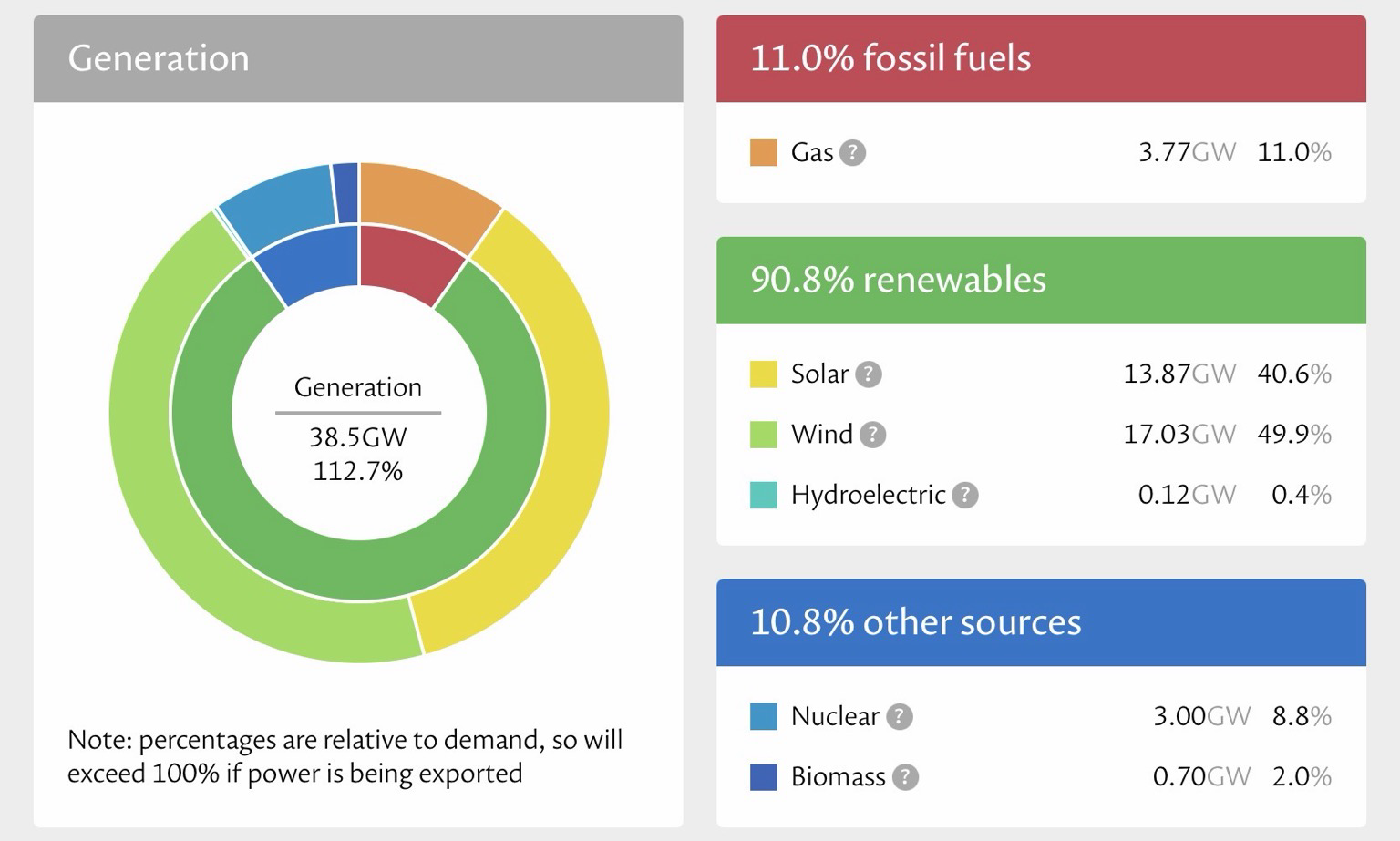
Doug notes that renewables are currently providing 112% of the UK's energy demand, with the excess being exported. According to the data, the UK's electricity generation mix is over 90% renewables, comprising wind, solar, and hydro power. This milestone suggests that the country could potentially run on renewables alone, were it not for the need to maintain gas power for stability purposes.
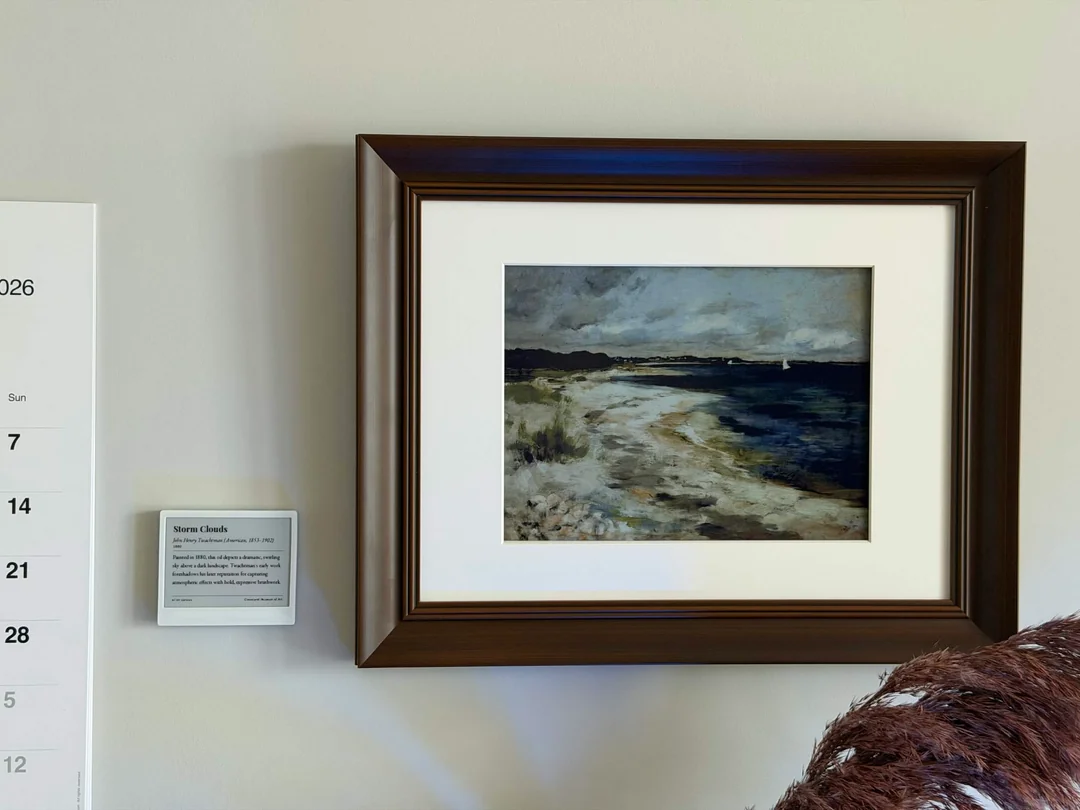
Doug discusses a creative example of a user, known as [@honear], who has added a smaller monochrome e-ink display to their colour e-ink canvas to mimic a museum display, providing information about the artwork being shown. This setup allows for a 'museum at home' experience, with a new artwork and accompanying information displayed twice a day. The user's integration pulls artwork from public-domain museums and generates summaries using AI when necessary.
We're not making a big splash about it yet, but yesterday Tom and I met up to discuss FIELD STATION. Today we submitted documents to Companies House to incorporate.
In fact, yesterday was a strange day in that we finalised details for FIELD STATION, I had a bunch of admin to do for Dynamic Skillset, and I met up with Laura and John for the second-to-last WAO close-down meeting.
It's a bit of a coincidence that the main protagonist in both the last book I read and the current book I'm reading are both the same age as me. Our Man in Havana by Graham Greene was absolutely fantastic, and I'm enjoying the modern James Bond novel Solo by William Boyd so far.
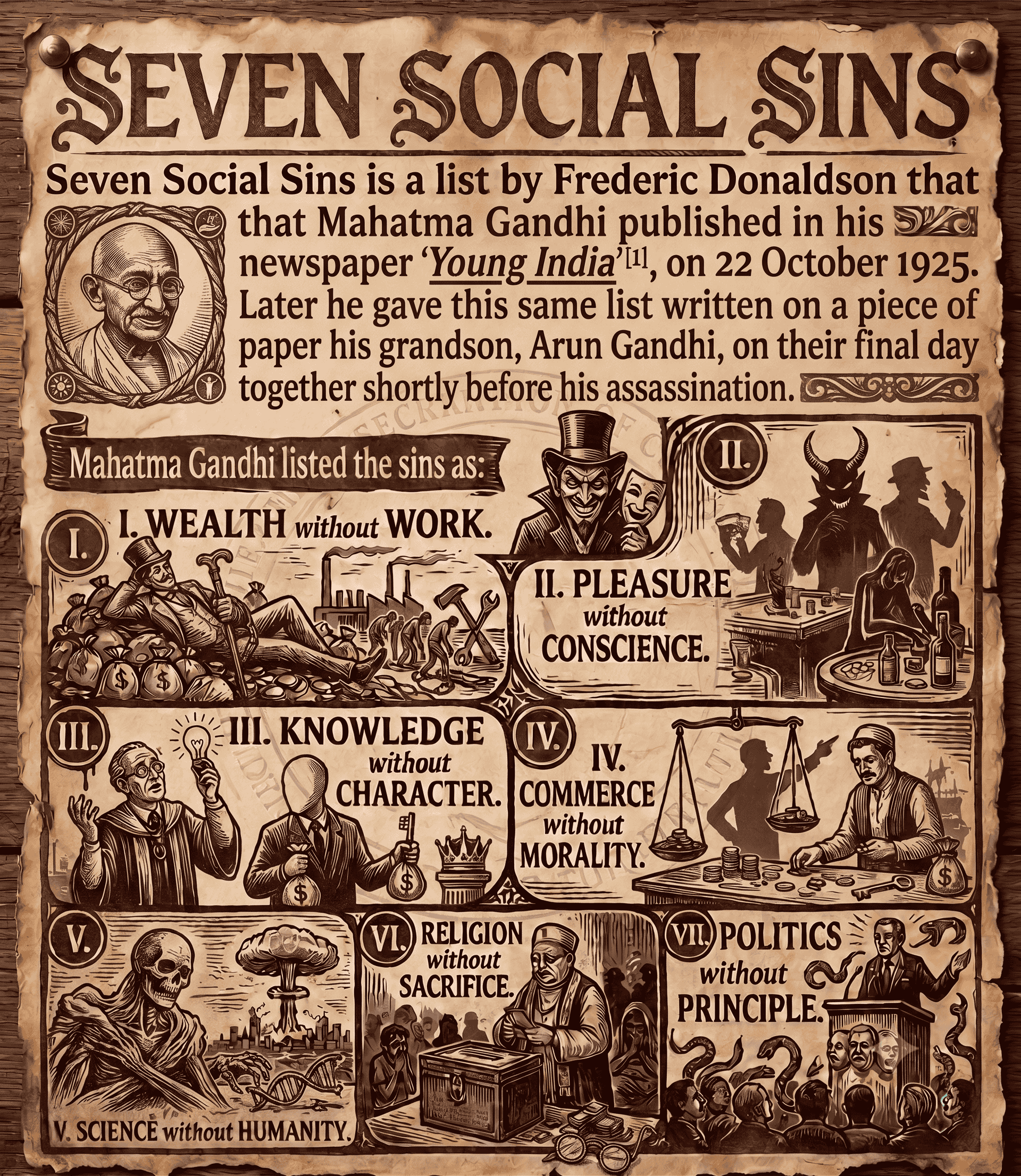
Doug discusses the Seven Social Sins, a list originally compiled by Frederic Donaldson and published by Mohandas Karamchand Gandhi in 1925. The list includes seven key sins, such as wealth without work and politics without principle. According to Doug, Gandhi's grandson, Arun Gandhi, has also referred to these sins as the "Seven Blunders of the World".
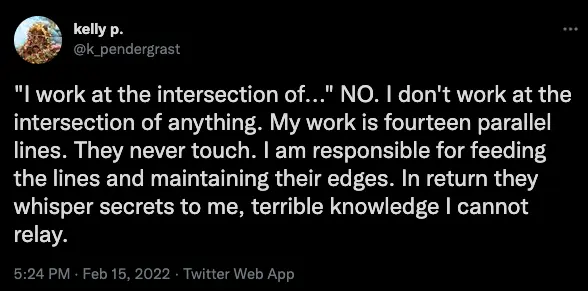
Doug discusses the idea that working at the 'intersection' of different fields can be a limiting concept, instead suggesting that his work is more akin to maintaining multiple parallel lines that whisper secrets to him. He draws on his background in Philosophy, History, Education, and Systems Thinking to argue that everything is constructed and that our understanding of the world is subjective. Doug concludes that this realisation is liberating, allowing individuals to define themselves however they like.
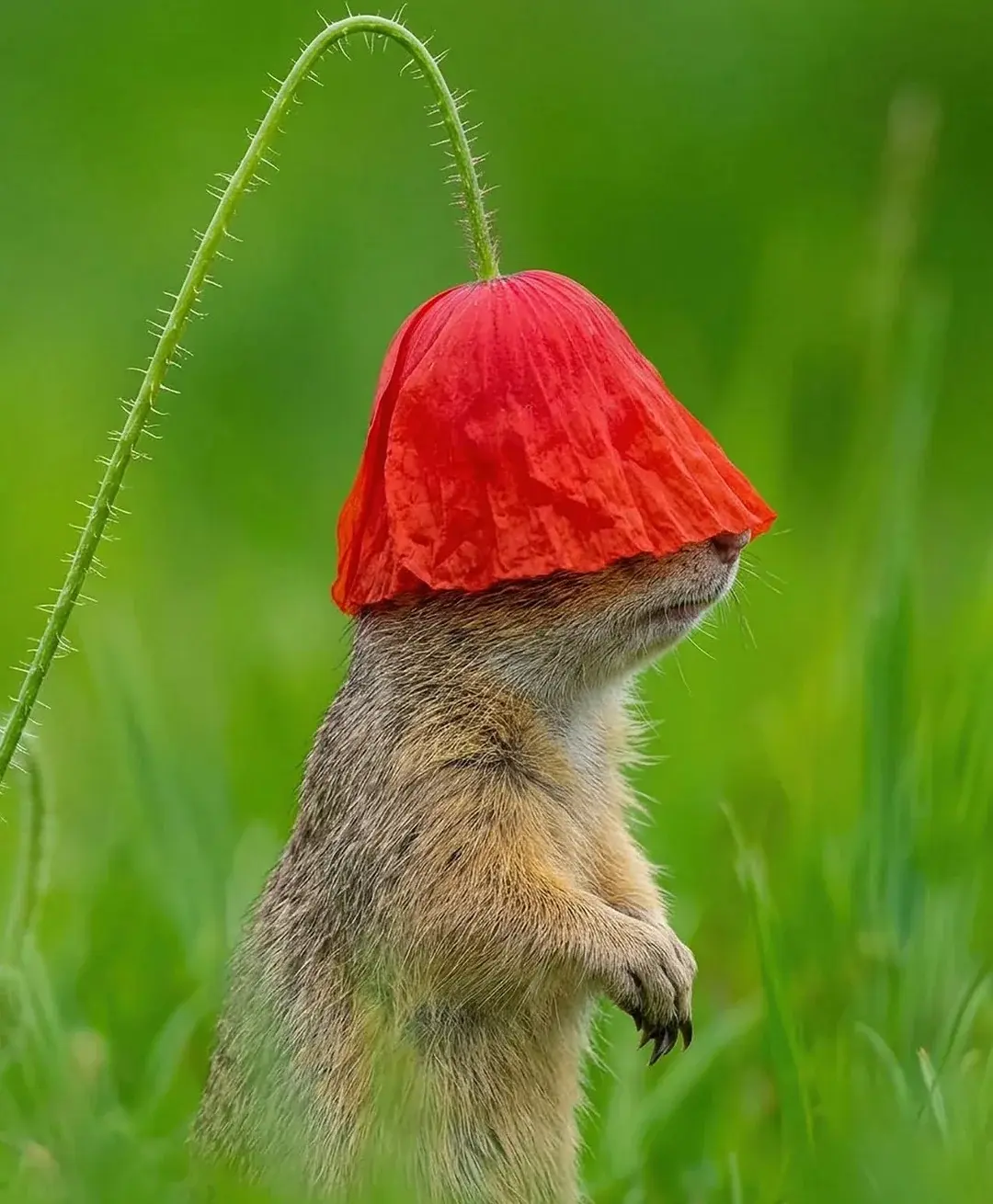
Doug discusses the theme of hats, sharing two images that complement each other well. One image features a social media post about the difficulties of wearing a hat as someone who doesn't usually wear them, while the other shows a squirrel wearing a poppy flower as a hat. These images are presented together to create an interesting visual comparison.
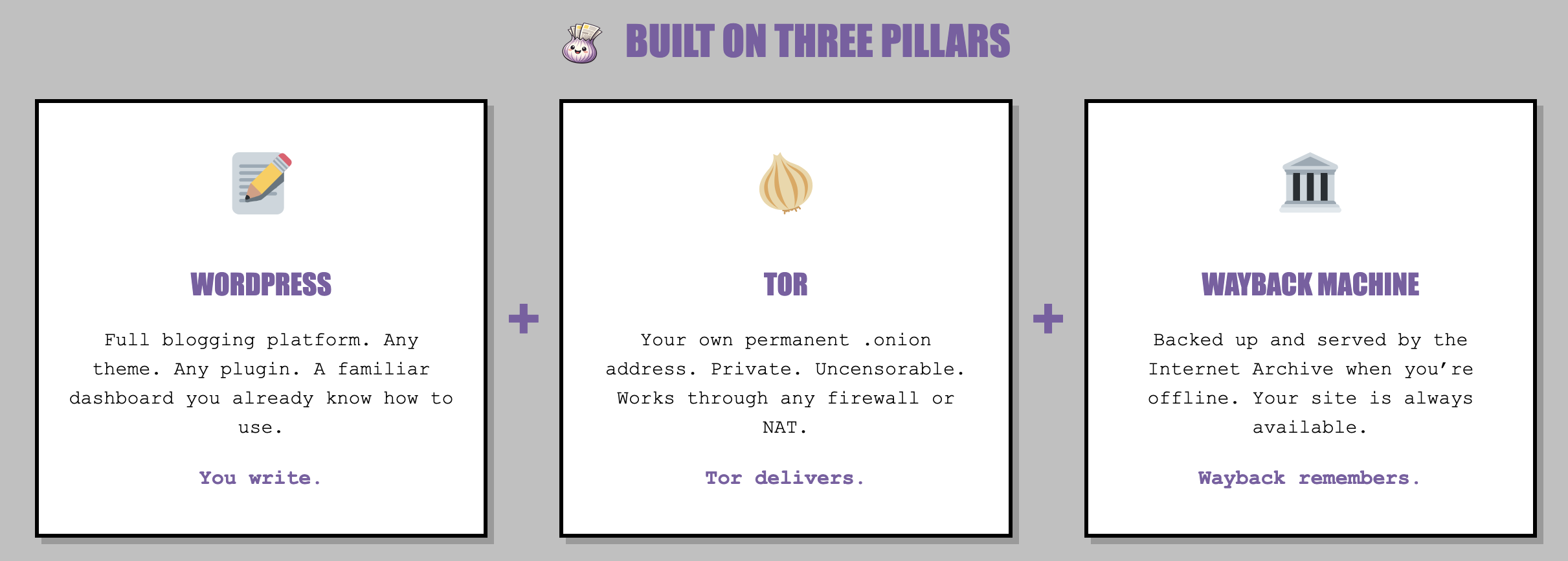
Doug has explored the concept of creating an 'untakedownable' blog, previously attempting to do so in 2017. He is now interested in OnionPress, a project that enables users to create a censorship-resistant blog with its own permanent address, free from hosting companies and monthly bills. Doug sees the value in having such censorship-resistant tools available, even if not for everyday use.
Doug discusses a video by Russell Davies, in which Davies recounts visiting Microsoft's campus and being asked by Bill Gates, "What are you working on?". This question prompted employees to ensure their projects sounded important, difficult, and successful. Doug notes that this line of questioning can be a useful audit for thinking about one's work.