
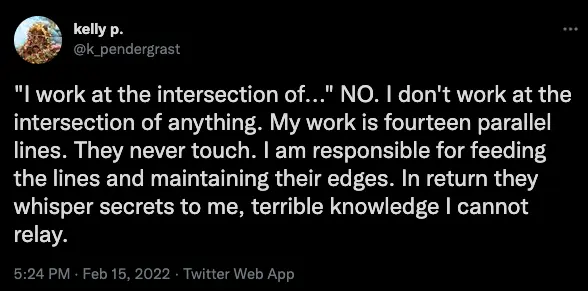
I don't work at the 'intersection' of anything thank you very much
One of the advantages and drawbacks of having studied Philosophy, History, Education, and Systems Thinking while having a background in technology is that you realise that everything... is just made up. Not just in a Steve Jobs "everything around you around was made by someone no smarter than you" kind of way, but in a William James "blooming, buzzing confusion" kind of way.
As I mentioned to someone recently, it's a bit like poking a hole in reality, poking your head through, saying "oh shit" and quickly pulling it back through again. All of our categories, from time to academic subjects to gender are constructed. We understand the subjectivity of this when it comes to categorising music, for example, and that while there's a label that might be generally useful, the connoisseur needs not only more granular descriptions, but to understand the overlaps with other genres.
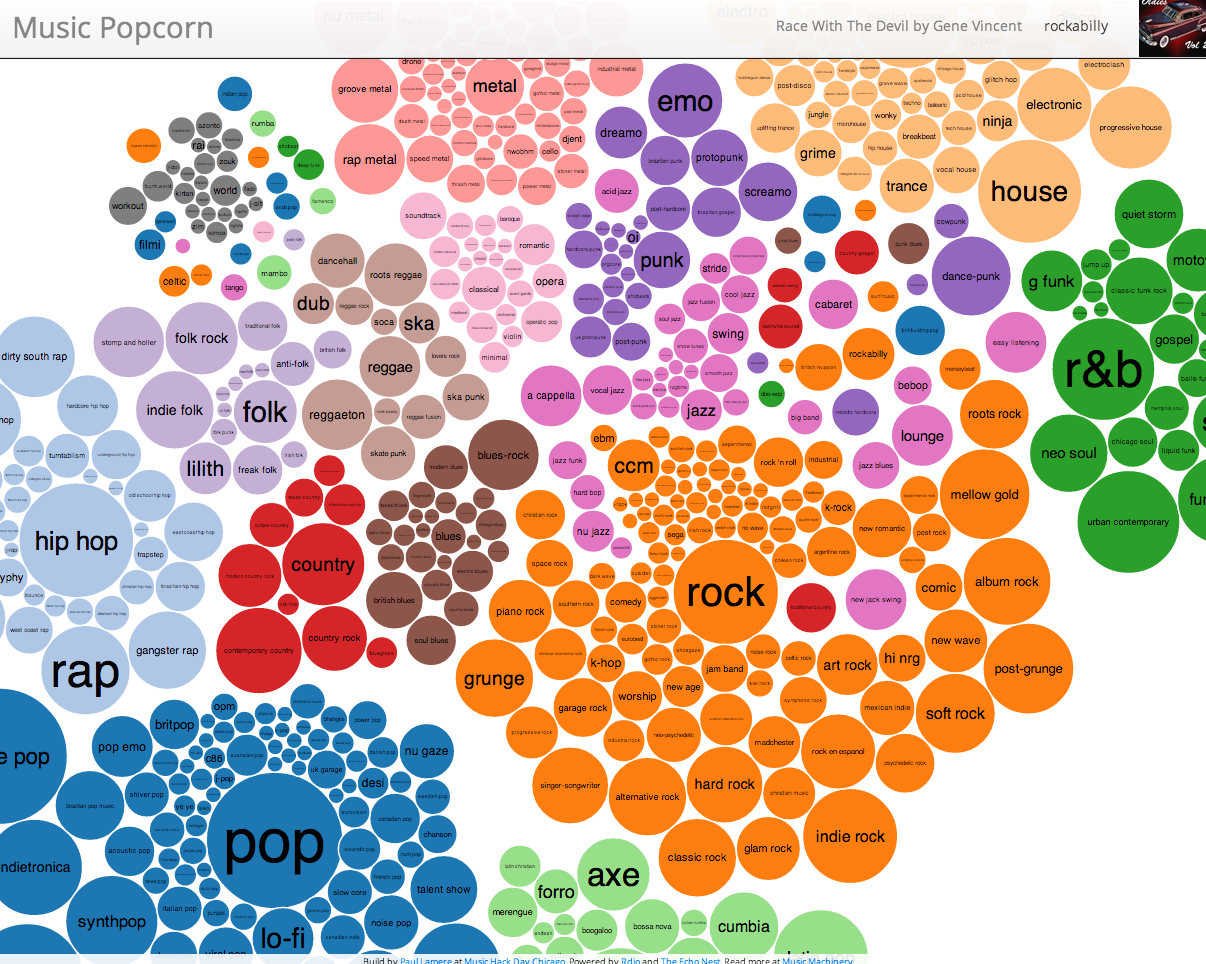
The trouble with saying that you work at the 'intersection' of two or three things is that it's all very two-dimensional. And life and work is very three-dimensional. Pattern-recognition is something that doesn't limit itself to domains. There's a really good example of this in the image below from this blog post.
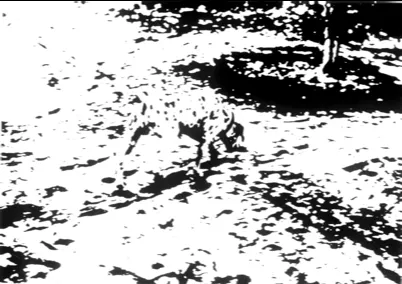
Do you see the dalmatian?

What's the name of the constellation in the above image? How do we know that? Because someone else taught us the shape and what it's called.
This is a somewhat rambling note to say two things:
- We can define ourselves however we like
- People recognise things that they've been taught to recognise (either by others, or by experience)
The consequences of this are liberating. It's where systems thinking comes in.
Image of stars CC BY-NC-ND Bill Dickinson