In early 2027, FIELD STATION is planning to host a Digital Sovereignty Unconference in Newcastle-upon-Tyne. Sign up here for updates and to get involved!
The note argues that traditional reports are becoming performative artifacts in the age of AI, as readers often use LLMs to summarize them or skip to recommendations. It advocates moving away from static documents toward dynamic knowledge management systems that treat information as interactive flows, enabling broader discovery and deeper insights.
The note highlights a podcast episode from Ologies featuring Dr. Laurie Santos that explores the difference between being happy "in" your life versus "with" your life, drawing on happiness research. The author found the episode so valuable that they shared it with nearly all their Signal contacts.
Verifiable Credentials (VCs) are tamper-proof digital records stored in a personal wallet that can be instantly shared and verified by any recipient without contacting the issuer. The W3C VC-EDU use cases cover scenarios across learning, professional licensing, employment, and everyday life—such as a student sharing Open Badges with a university or a nurse renewing her licence automatically. The central shift is that individuals, rather than institutions, hold and control their own credentials.
The note shares a video of an "infinity book" by Rachel Bevan Baker, found through Warren Ellis. The author suggests this format would be a cool way to make a zine.
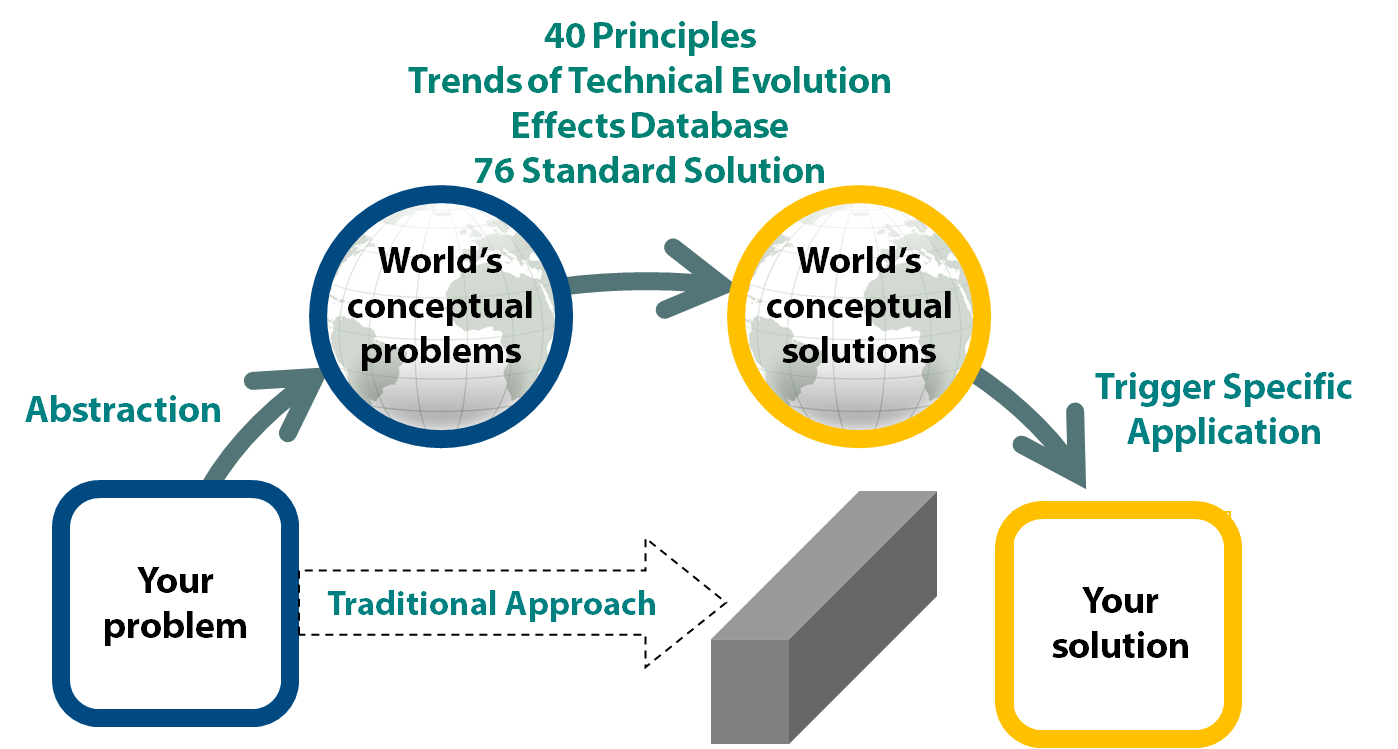
TRIZ is a problem-solving methodology based on studying global patents, boiled down to three core ideas: contradictions drive hard problems, resolving them requires separation in space/time/scale/condition, and the ideal state is delivering function with no system. The 40 inventive principles collapse into 7 families, and the author applies this framework to their own work in sovereignty consulting, facilitation, product design, and mission-driven organizations.
I remembered the term 'bliki' today, coined by Martin Fowler in 2003:
So I decided I wanted something that was a cross between a wiki and a blog - which Ward Cunningham immediately dubbed a bliki. Like a blog, it allows me to post short thoughts when I have them. Like a wiki it will build up a body of cross-linked pieces that I hope will still be interesting in a year's time.
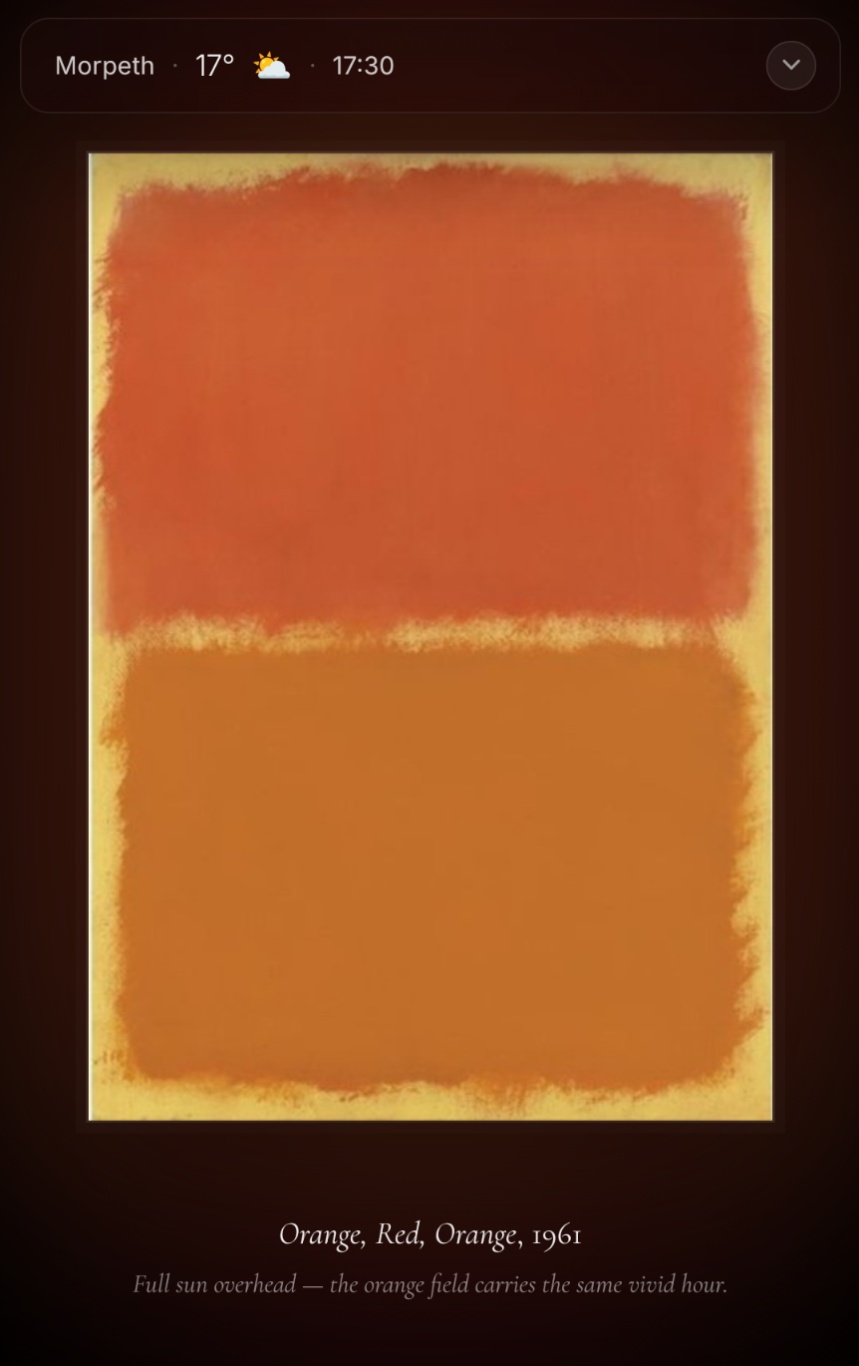
A website displays Mark Rothko paintings based on the user's local weather. The author plans to use a Samsung The Frame TV to show ever-changing Rothko art, or alternatively his Décadi project featuring the French Republican Calendar.
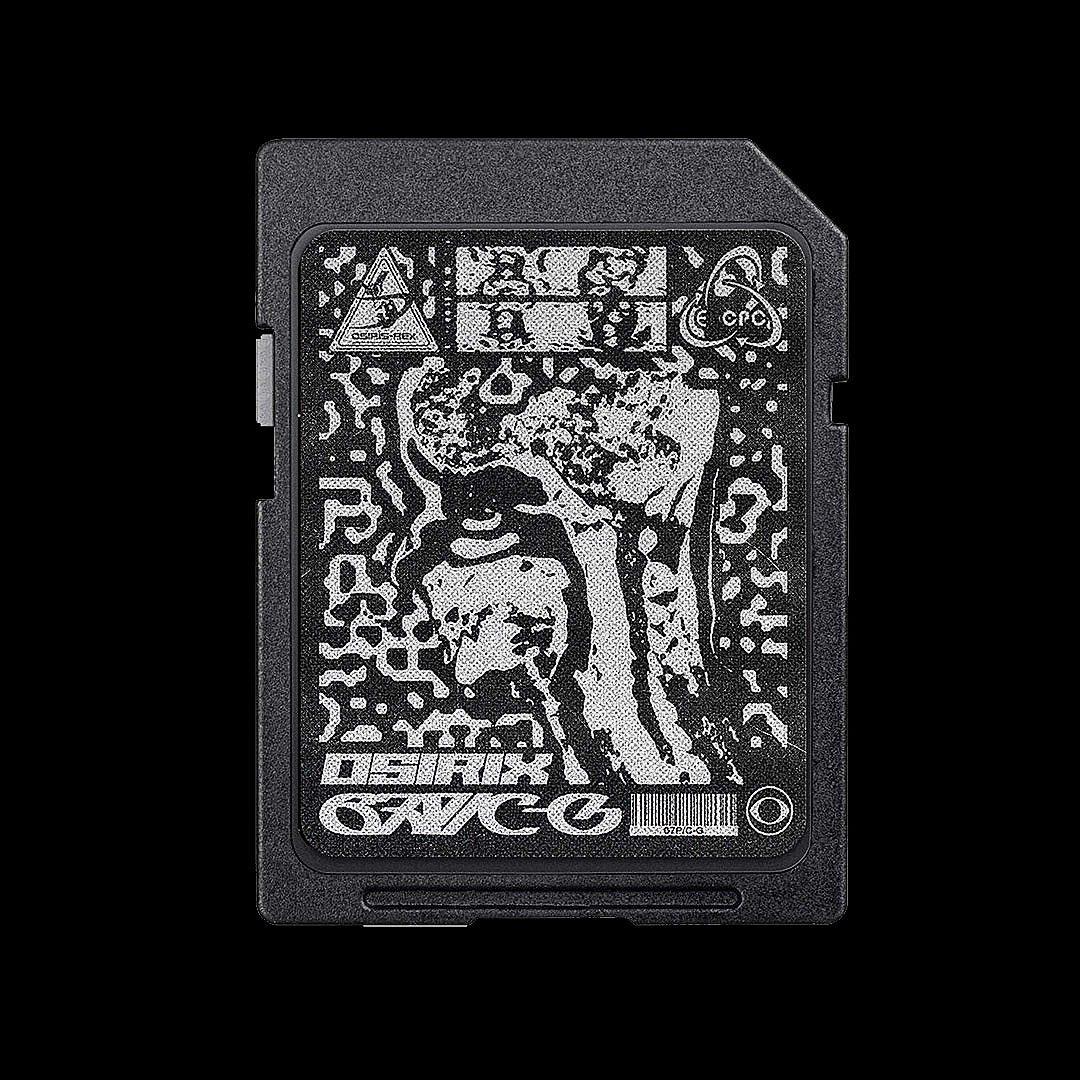
While I was browsing Are.na for resources related to Productive Friction, I came across the above image.
Which got me thinking: what if I shipped an SD card to people? What affordances would that have which would be different to, say a blog or a website? How would it be different to a paper-based zine? 🤔
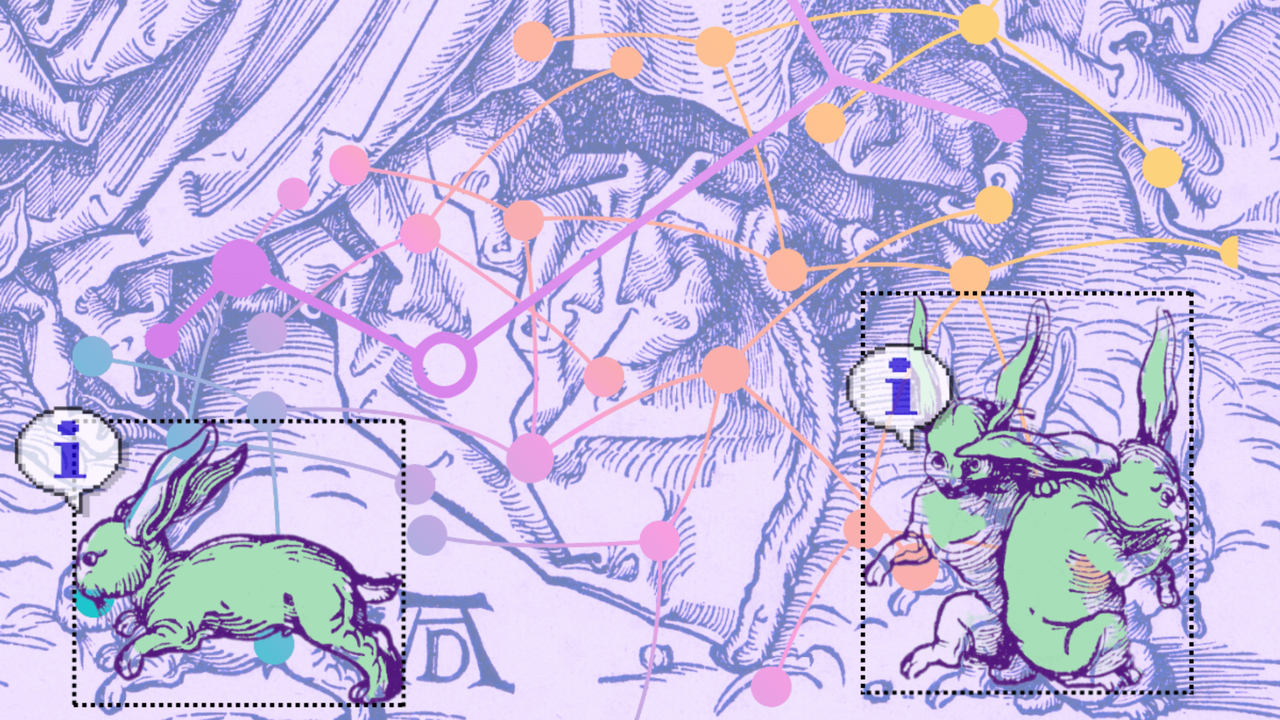
The note records that the author gathered resources on Are.na for their upcoming zine Field Notes on Productive Friction, which will be 40 A5 pages (roughly 6,000 words). They plan to create a mindmap of these and other found materials to aid in planning.
The author is building a multiplayer version of their Substrate note-taking tool. While the original uses Markdown and a typology of Notes, Ideas, and Reflections, the new version will use Private, Team, and Public categories and include admin controls, configurable colors, and magic link logins.
The author's daughter is joining him for work experience after failing to find her own placement in physiotherapy. He plans to make the four days interesting by taking her to coffee shops and co-working spaces, and having her work on a mini-studio project using Value Proposition Design. He aims to provide structure without making it feel like school.
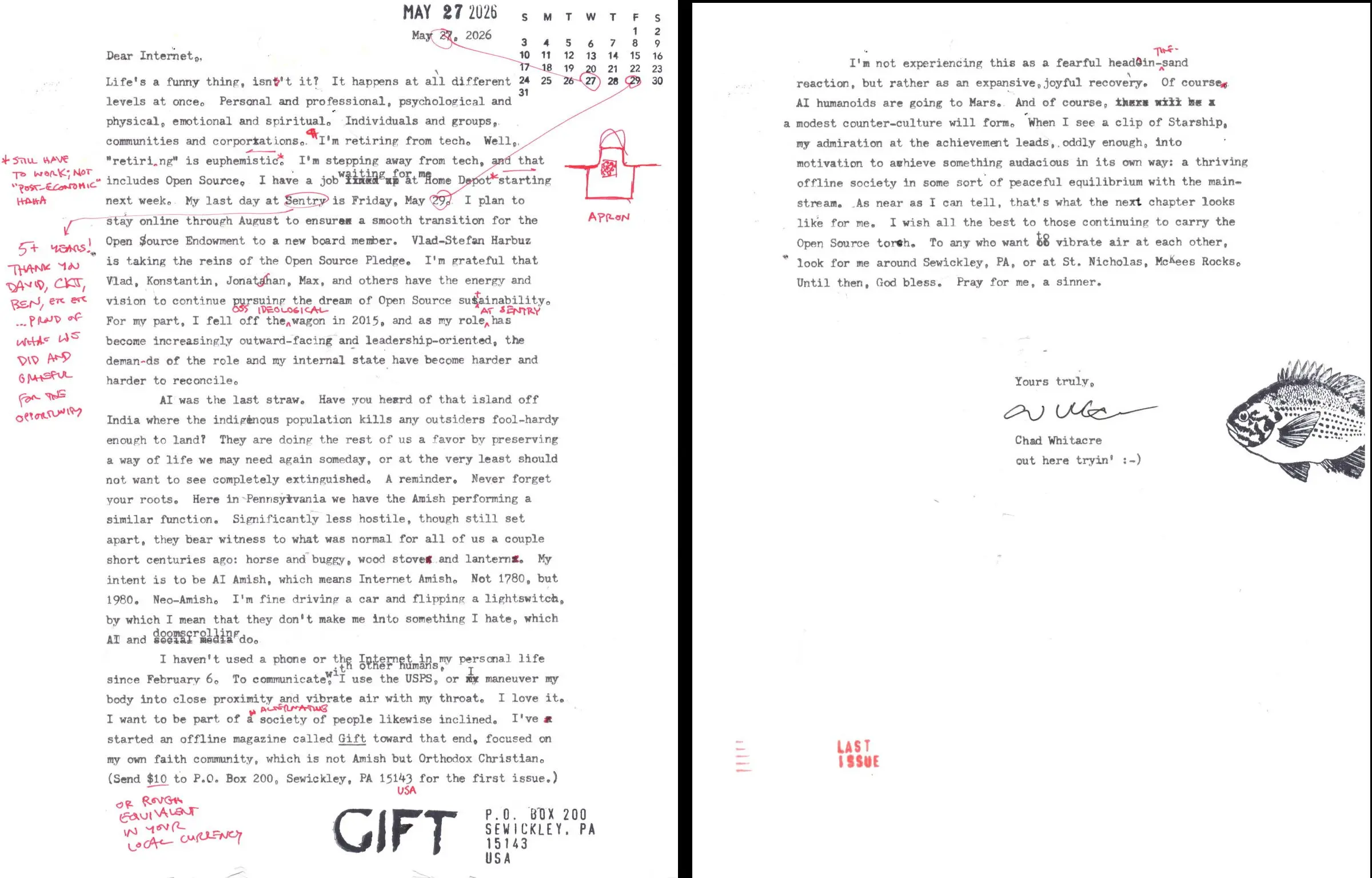
The note describes discovering the obsolete word "respair," meaning recovery of hope after despair, through an Are.na scroll. This leads to exploring meliorism, the idea that humans can improve the world, particularly William James's conception of it as a middle path between optimism and pessimism.
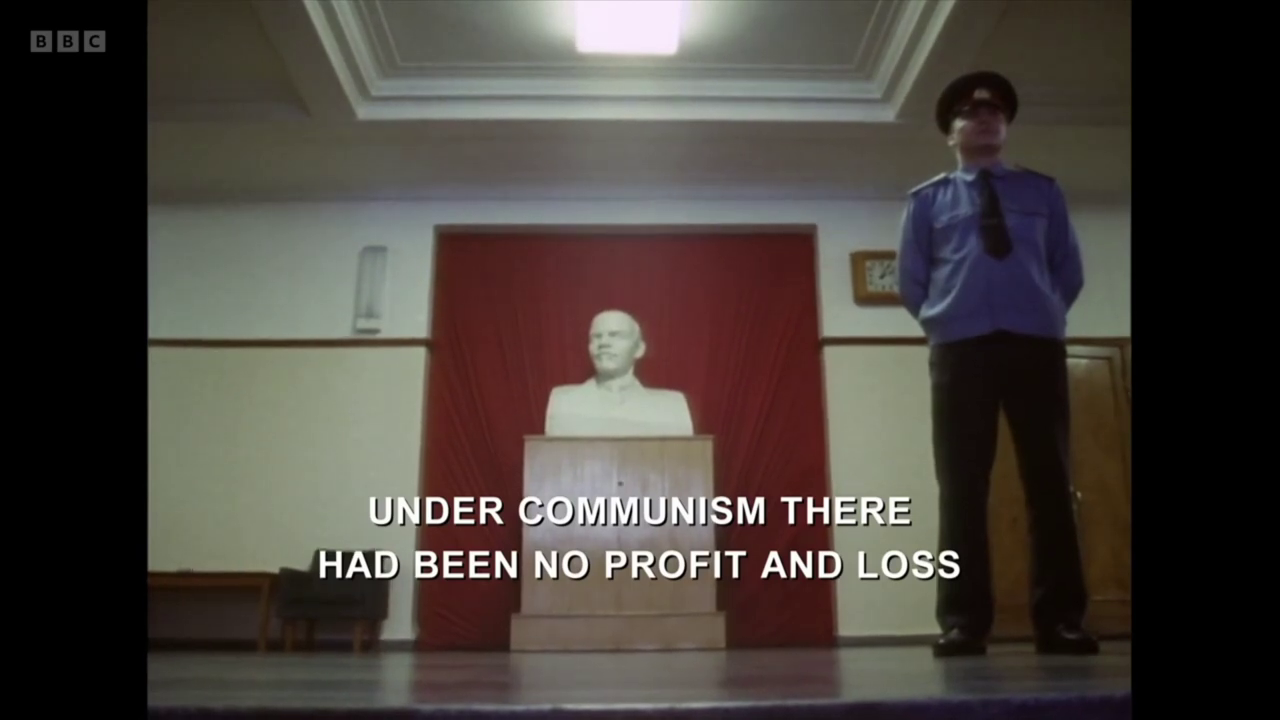
The note explores the idea of an ambient display featuring Adam Curtis's distinctive documentary style—overlaying text on archive footage. It suggests pulling images and text from Are.na channels to create a similar, strangely familiar critique of late capitalism for full-screen or ambient use.
The note categorizes self-awareness into types including bodily and sensory awareness (such as interoception and proprioception), emotional and cognitive awareness, and forms of selfhood awareness. It was prompted by the author's recognition of a "Beast Mode" tendency that contributed to poor interoception and a past diagnosis of Overtraining Syndrome. The taxonomy was generated by Perplexity.
The "Time Til Starve" (TTS) spreadsheet is a simple ledger used by the author and the We Are Open Co-op to track income and expenses, ensuring solvency. After the co-op dissolved, the author now uses a similar TTS for their own business, Dynamic Skillset, to calculate how many months they can operate without new work.
The note reflects on a coaching session about personal mythologies, where the author explores their tendency toward 'beast mode' and moralizing productivity. They decide to adopt a seasonal, systems-based approach to life and work, focusing on energy and intentionality rather than effort inflation. The session concluded with three guiding questions for unlearning protective coping mechanisms and avoiding burnout by age 50.
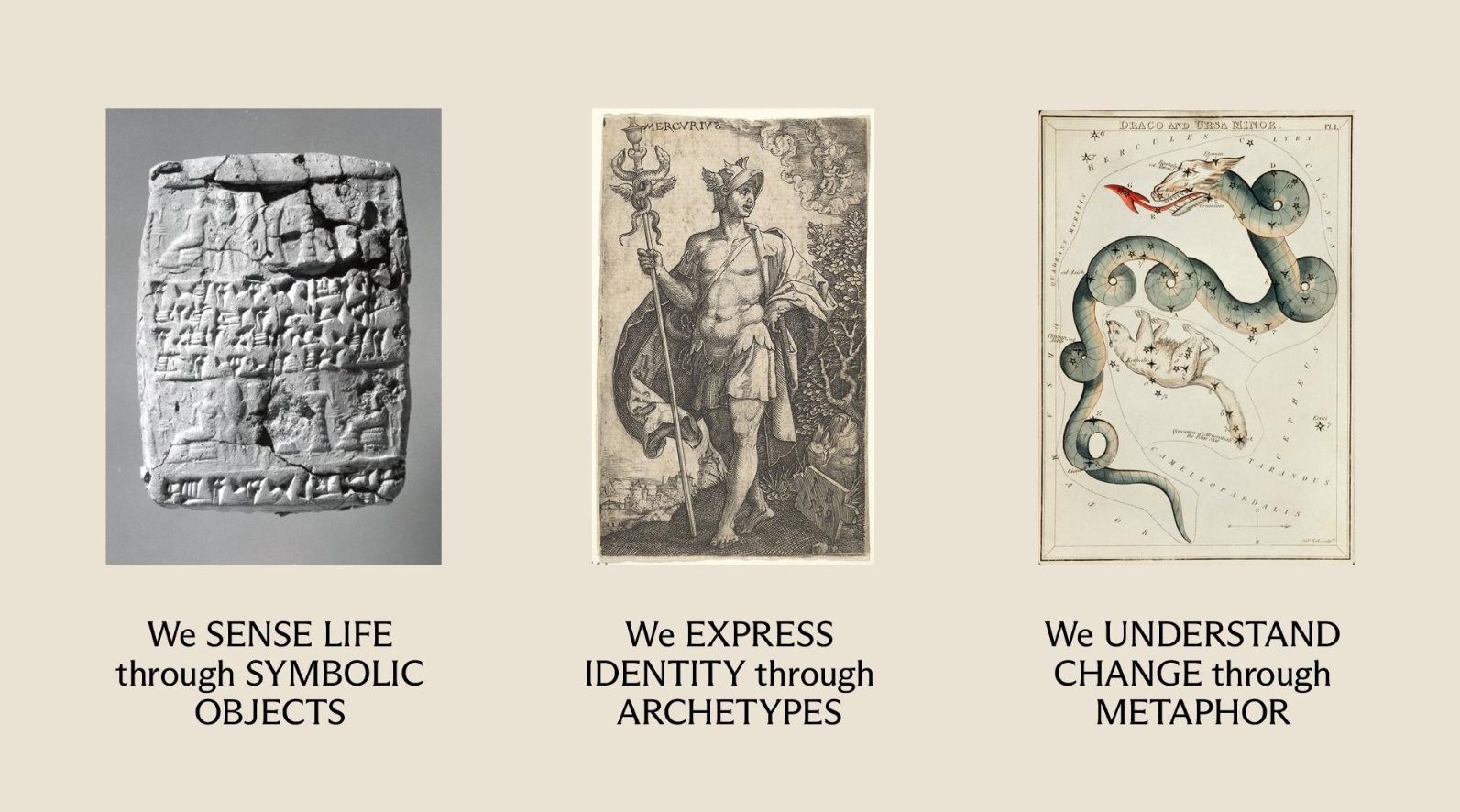
A workshop by Annalise Lewis on May 1, 2026 explored how metaphors shape perception and can evolve rather than replace existing narratives. The session introduced four layers of story, clean language techniques, and a "poetic shift" to empower change. It prompted personal reflection on evolving a consultancy practice toward greater risk tolerance and systems thinking.
titles.xyz lets artists pre-train AI models that others can use to create art, with the original artist earning a cut of any transactions. The author used free credits to generate an image with Venkatesh Rai's Bucket Art model using the prompt 'substrate'.
The note explores activist neuroaesthetics, which frames aesthetic life as an ongoing relational practice rather than a product, and aims to resist capital's extraction from the nervous system by forming new circuits. It argues that beauty is contested because it is a site of capital extraction, and that militant neuroaesthetics seeks to transform relations between bodies and environments, not just lower cortisol. The practice is embodied, durational, and collectively elaborated, producing capacity in bodies rather than merely effects on them.
This note is a curated collection of Douglas Adams quotations from his books, including The Salmon of Doubt, The Long Dark Tea-Time of the Soul, and The Hitchhiker's Guide to the Galaxy series. The quotes are grouped by source and cover topics such as technology, human nature, bureaucracy, and philosophy. The title suggests the author finds Adams' wit and wisdom applicable to many situations.
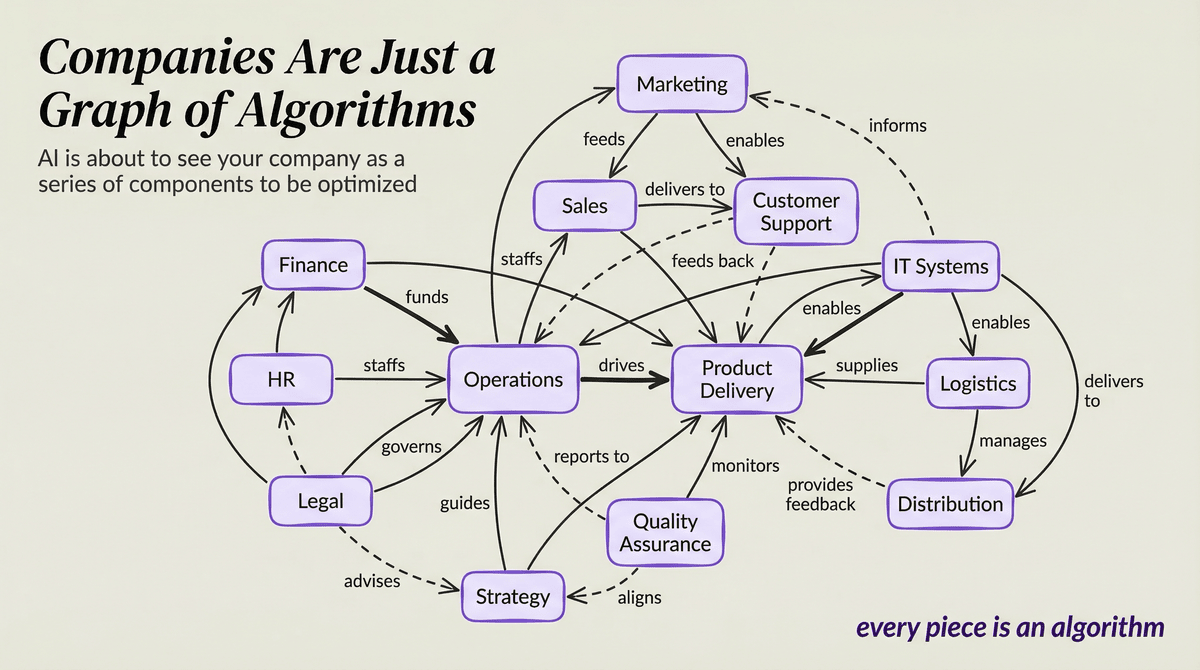
The note critiques Daniel Miessler's idea that businesses are simply a "graph of algorithms" by linking it to Stafford Beer's Viable System Model, arguing that AI can optimize but not fully automate the complexity of multinational companies. The author concludes that human skill and context remain essential for redesigning processes.
The note discusses the irony of using AI to write about AI's dangers, citing a papal encyclical where AI detectors flagged significant portions as AI-generated while also showing high false-positive rates. It also recounts an author finding AI-created synthetic quotes in his book, emphasizing the need for better fact-checking.
Instead of building an audience, build a digital garden-ecosystem that exists for itself and doesn't need likes or traffic to be valid. This world will attract kindred spirits who discover and fall in love with it, and it should be expansive enough to hold your work, spirit, and audience.