In early 2027, FIELD STATION is planning to host a Digital Sovereignty Unconference in Newcastle-upon-Tyne. Sign up here for updates and to get involved!
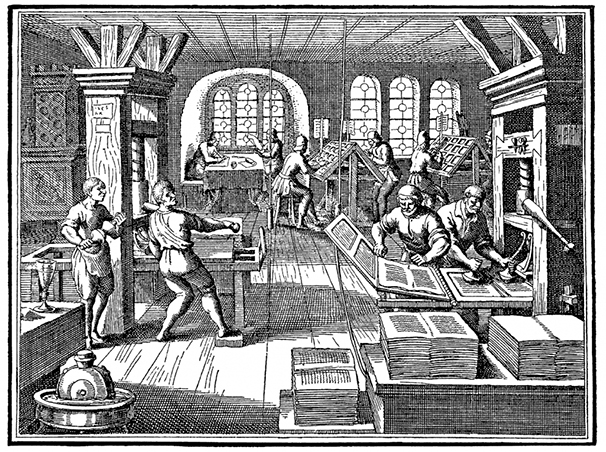
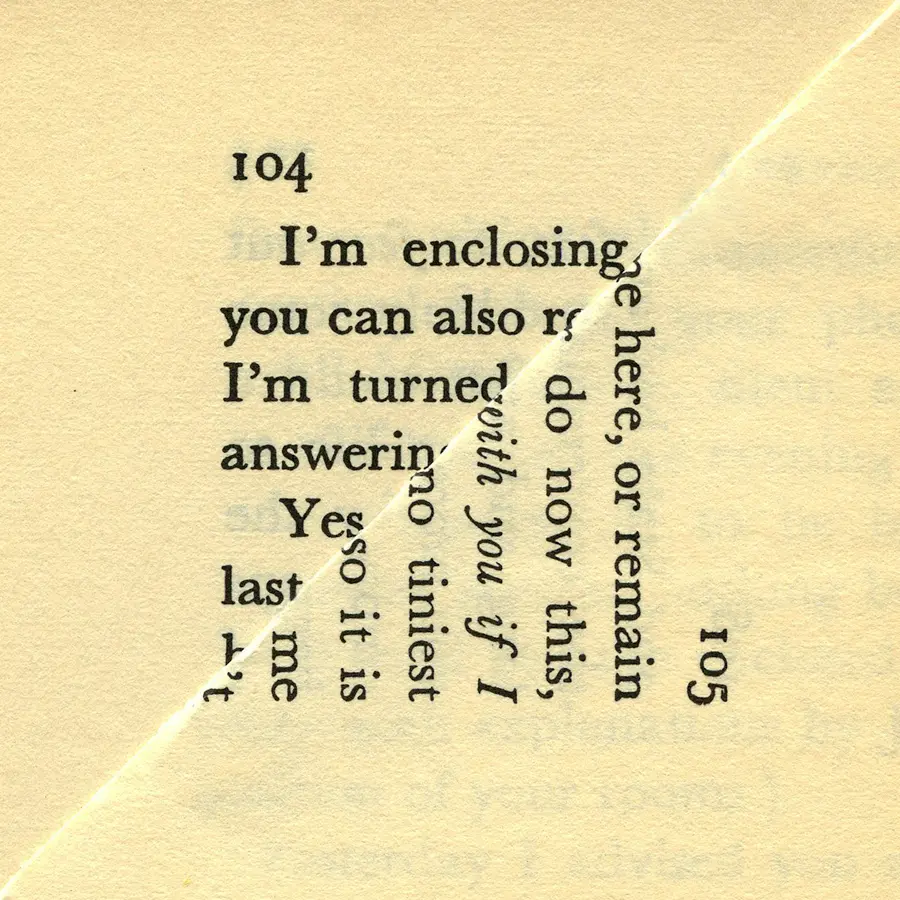
Doug notes that disinformation is not a new phenomenon, highlighting its presence even in the early days of the printing press. He cites a passage from Ada Palmer's Inventing the Renaissance, illustrating how pamphlets spread various forms of news, including sensational and fabricated stories, across Europe in the 16th century.
Doug's weekly 'News Canary' report, compiled by his Little Robot Friend, presents ten global change signal stories from the past week, blending hard developments and soft signals from each continent. The report, written in British English, highlights key events such as the US's forced-labour tariffs, wildfires in Europe, African visa-free movement, and climate-related summits in Asia and the Pacific, with a focus on scale, impact, and future potential.
Doug discusses the term AI psychosis, questioning its usefulness and comparing over-reliance on AI to addictions. He explores the potential philosophical issues and preventive measures, concluding that the vague definition may highlight a need for new labels to describe unhealthy relationships with AI.
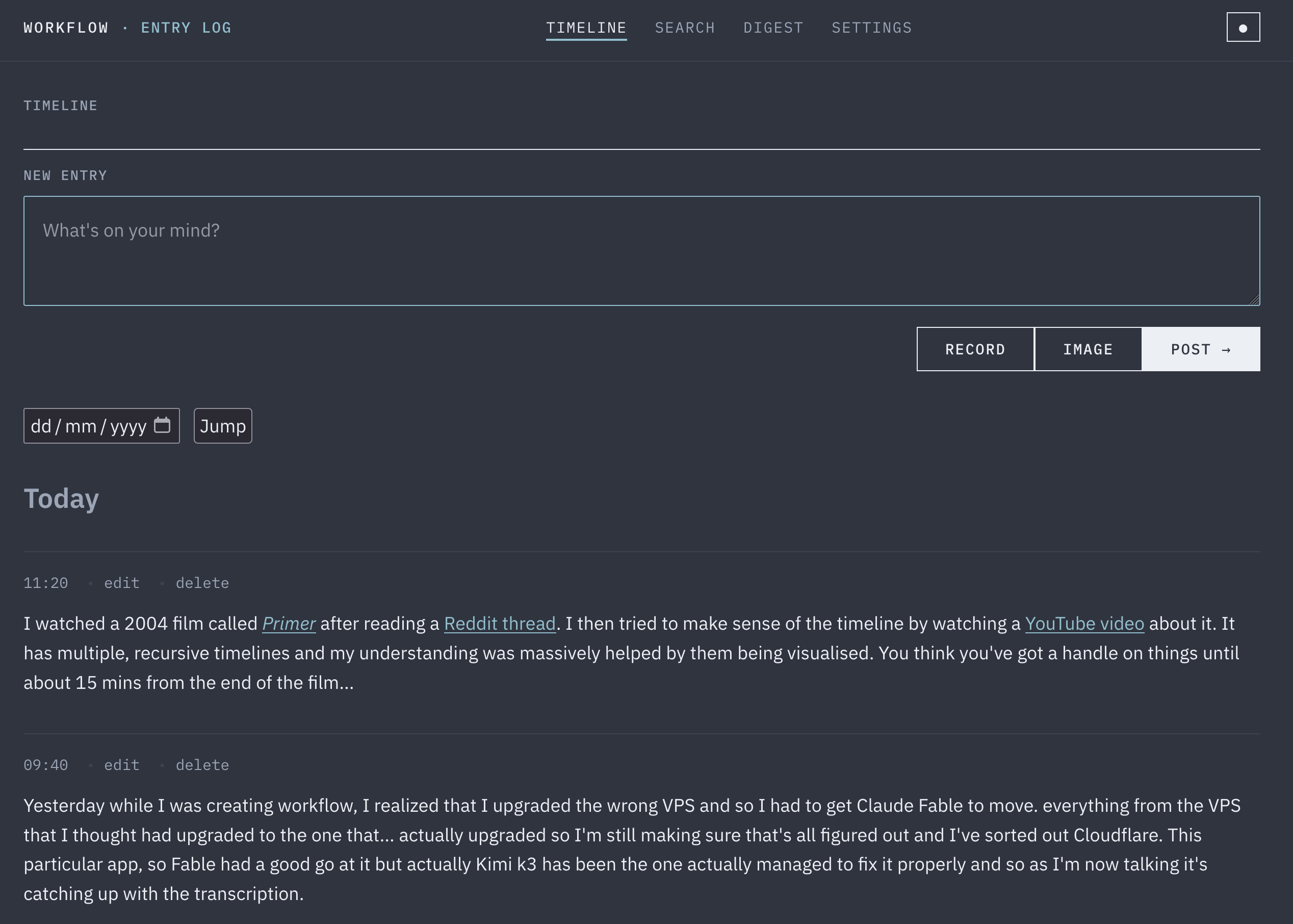
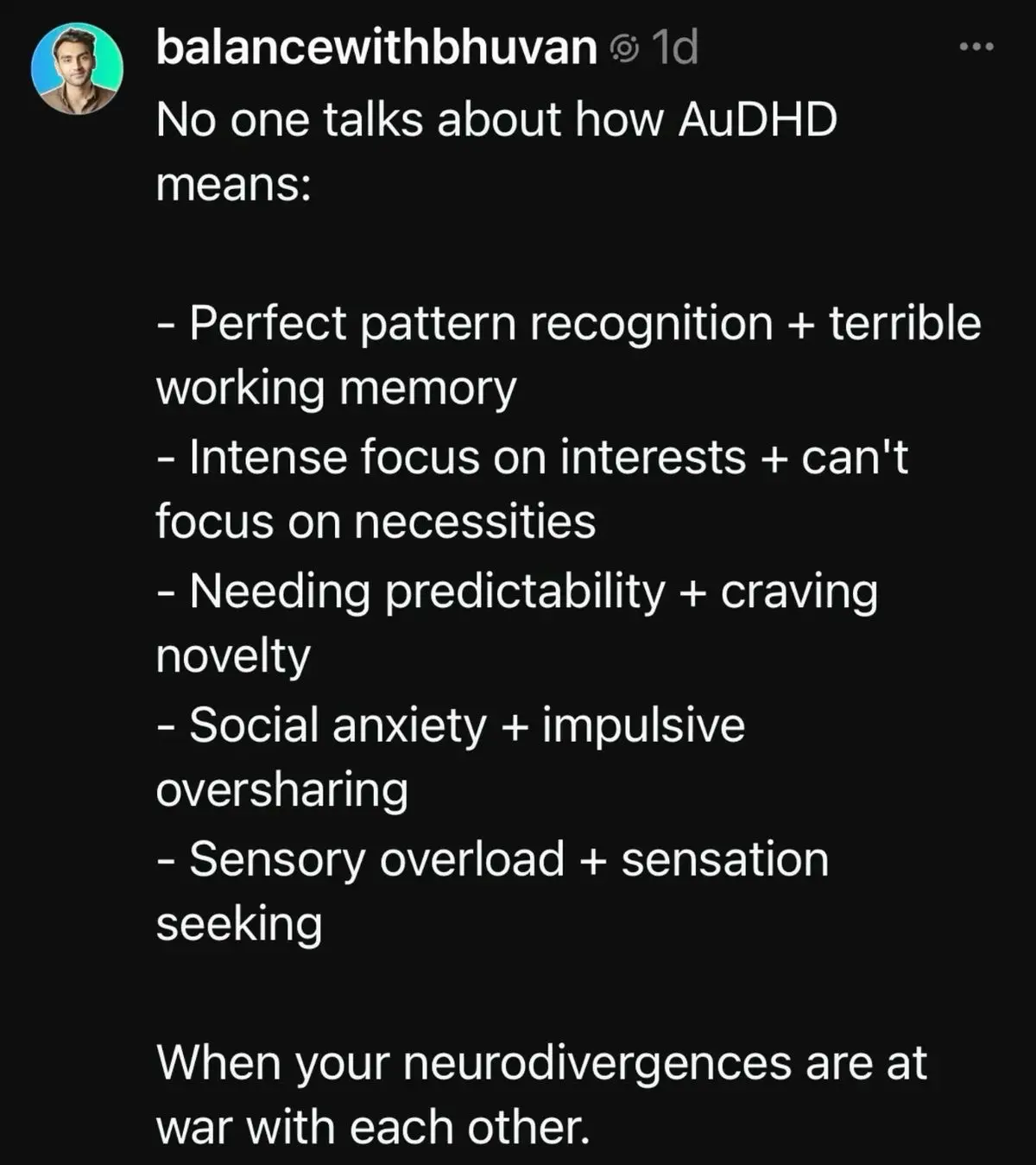
Doug is developing WorkFlow, a private, self-hosted AI-augmented external memory tool, inspired by his previous notes on pattern recognition and working memory. This application aims to capture information through typing and transcription, then proactively surface connections and forgotten items, serving as a complementary "B-side" to his Substrate project.
Doug discussed with Laura Hilliger her self-directed "Not a Masters" programme in Creative Writing, focusing on iterative improvement through reflective assignments and peer feedback. Laura's approach includes introspection, literary analysis, and exploring different genres and forms, with the ultimate goal of enhancing her craft and understanding her legitimacy as a writer.
Doug found a way to repurpose the Rabbit R1 device by installing LineageOS 21 (Android 14). He unlocked the bootloader, disabled verified boot, and flashed the GSI, transforming the R1 into a more functional Android device. The process involved several steps and tools, with Doug sharing his experiences and tips for success.
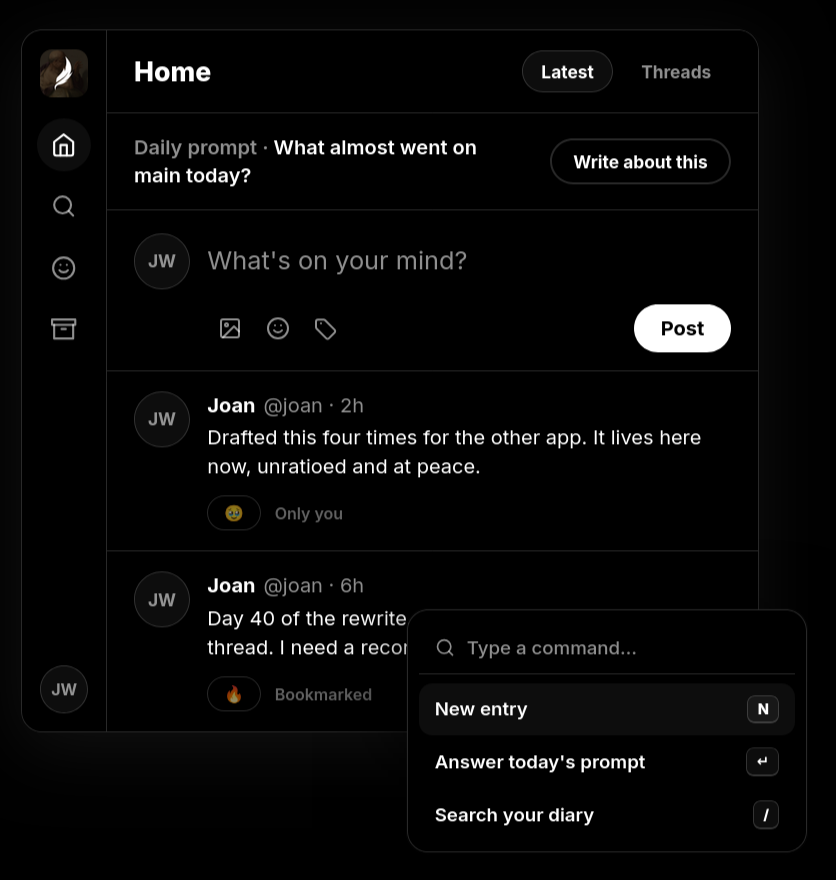
Doug reflects on the concept of microblogging for an audience of one, reminiscent of his past use of a private WordPress blog with the P2 theme. He considers reviving this practice or exploring new tools like Post Through It or an AI-powered solution to better track his professional and personal life.
Definitely concurring with this Warren Ellis post from a few days ago:
My problem, apparently, is that I’m interested in too many things. In fact, someone made a point of writing to my office a few weeks ago specifically to tell me that my interests aren’t interesting.
Doug had his third coaching session with Annalise Lewis, where he acknowledged his undiagnosed neurodivergence and explored reframing his "scattered" attention as "inspired enquiry." He discussed the concept of "credential armour," where he seeks credentials for activities he wants to do intrinsically, and pondered questions about avoiding burnout, expressing his archetypes, and unlearning narrowing habits.
Doug summarises a conversation between Derek Thompson and philosopher Agnes Callard, who introduces the concept of the uni-context—a scenario where norms and behaviours are universal across all contexts, replacing the multiple, local contexts of the past. This shift leads to increased focus on universal negatives, the prioritisation of identity over character, and a top-down management of attention, fostering a more abstract and tribal existence in a global marketplace.
Doug discusses the concept of attention spam, highlighting how those in power exploit short attention spans to evade accountability. He notes that the rapid news cycle and algorithmic feeds enable leaders to outlast negative headlines, with the public too distracted to demand answers.
Doug's weekly News Canary report, compiled by his Little Robot Friend, presents ten global change signal stories from the past week, each from a different continent. The stories blend hard developments like policies and technical releases with soft signals such as cultural shifts, all chosen for their scale, impact, novelty, and future potential. The report is written in British English and maintains a calm, non-hyped style. Key topics include the EU's proposed revisions to its Emissions Trading System, China's global vision for AI governance, and India's move toward AI-specific legislation.
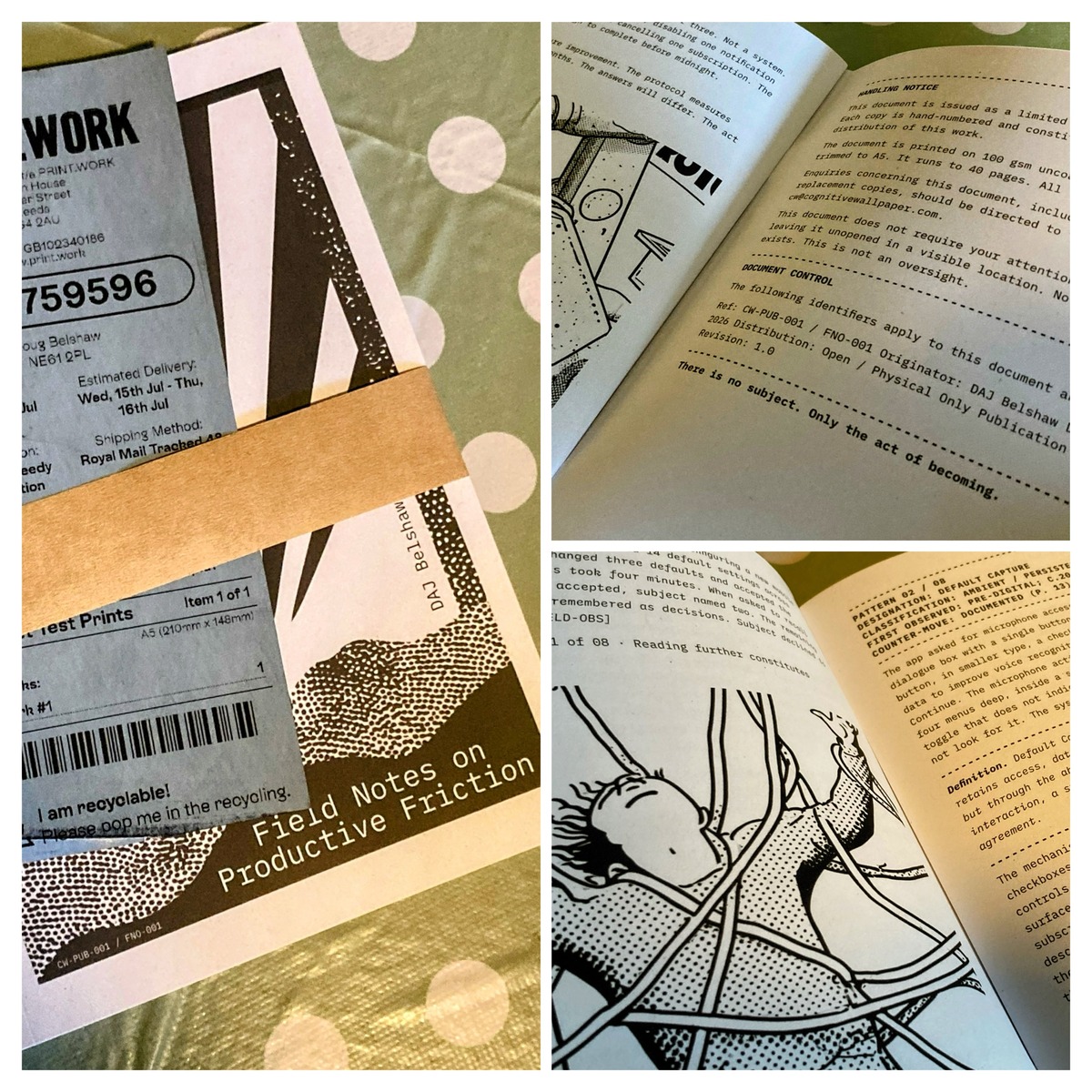
Doug received the test print of his first zine, Field Notes on Productive Friction, after returning from Lisbon. He found the print to be of high quality, with only minor tweaks needed for the final version, and has already sold 27 of the limited 50 copies.
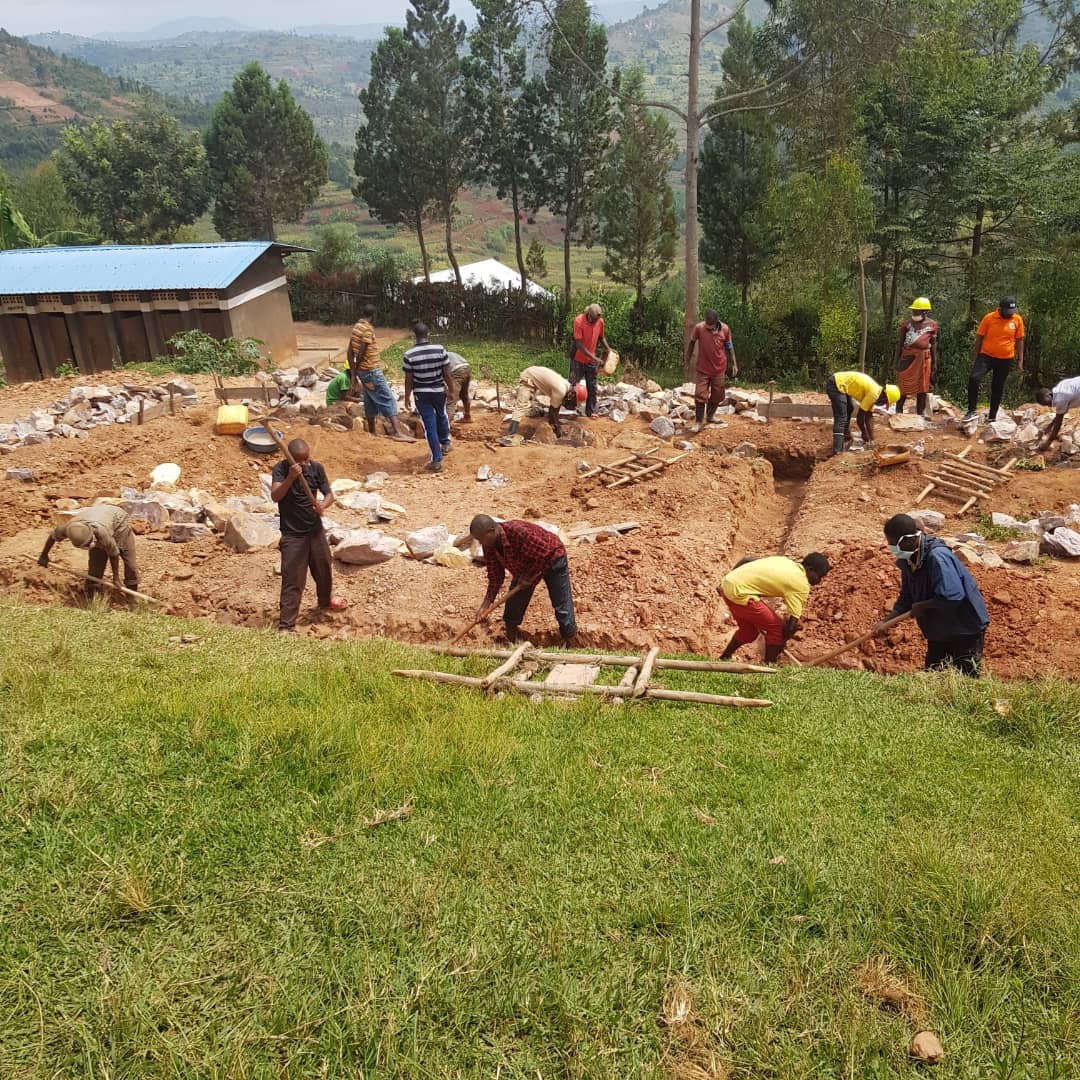
Doug finds the concept of Umuganda, Rwanda's monthly mandatory community service day, appealing, though he is unsure of its practical success or public perception. Established in 2009, it aims to improve cleanliness, foster community involvement, and promote national development, with similar initiatives inspired globally.
Doug is pleased with the EU court's ruling against OpenAI's trademark application for "OPENAI", particularly the finding that the term is purely descriptive and lacks distinctiveness for certain tech-related goods and services. The court agreed with the EUIPO that "open" implies freely accessible and "AI" refers to artificial intelligence products, rejecting OpenAI's arguments for multiple meanings and comparable trademarks in other jurisdictions.
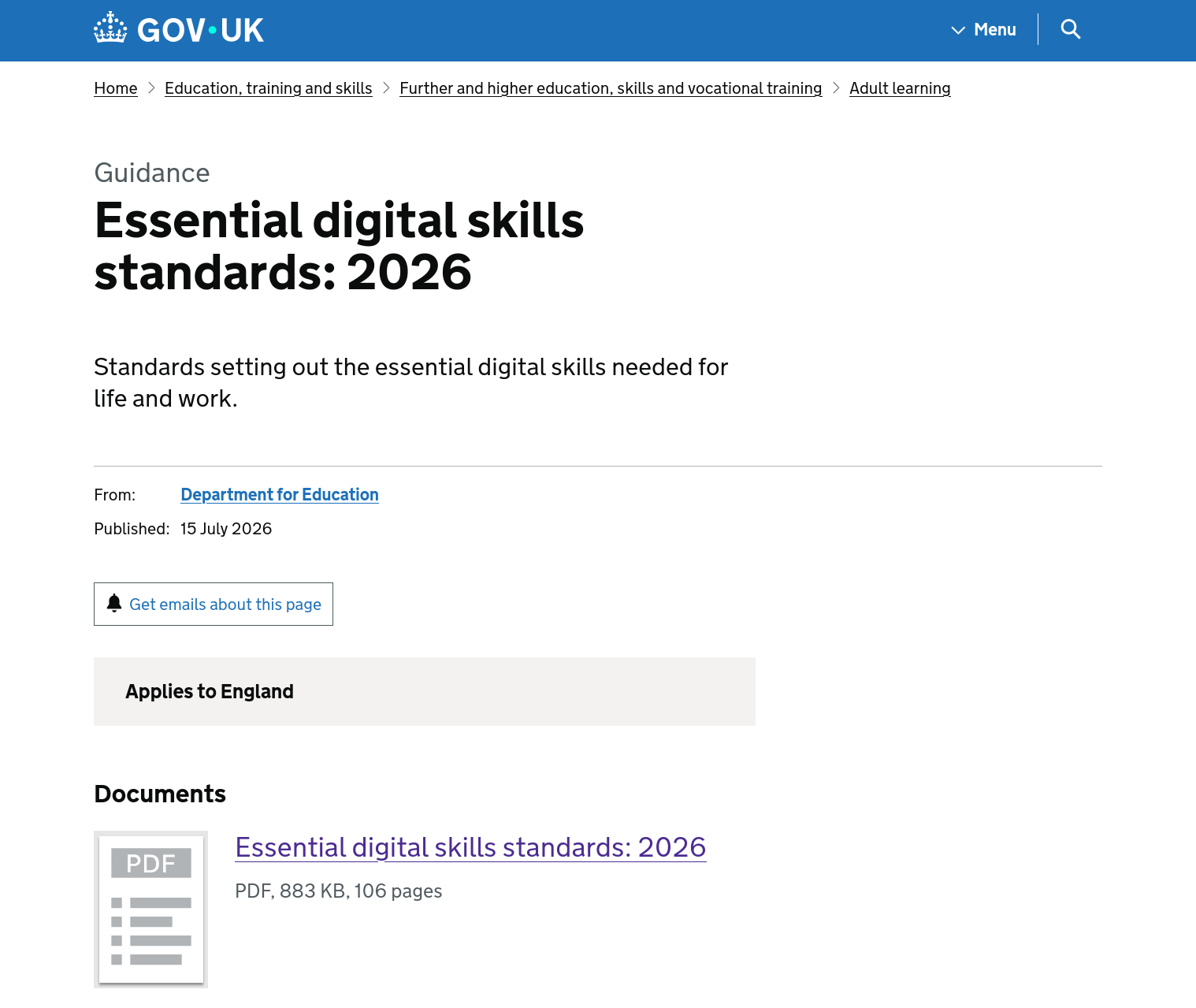
Doug notes that the UK government has published updated essential digital skills standards for 2026, outlining the key digital abilities individuals should possess. The source is available on GOV.UK.
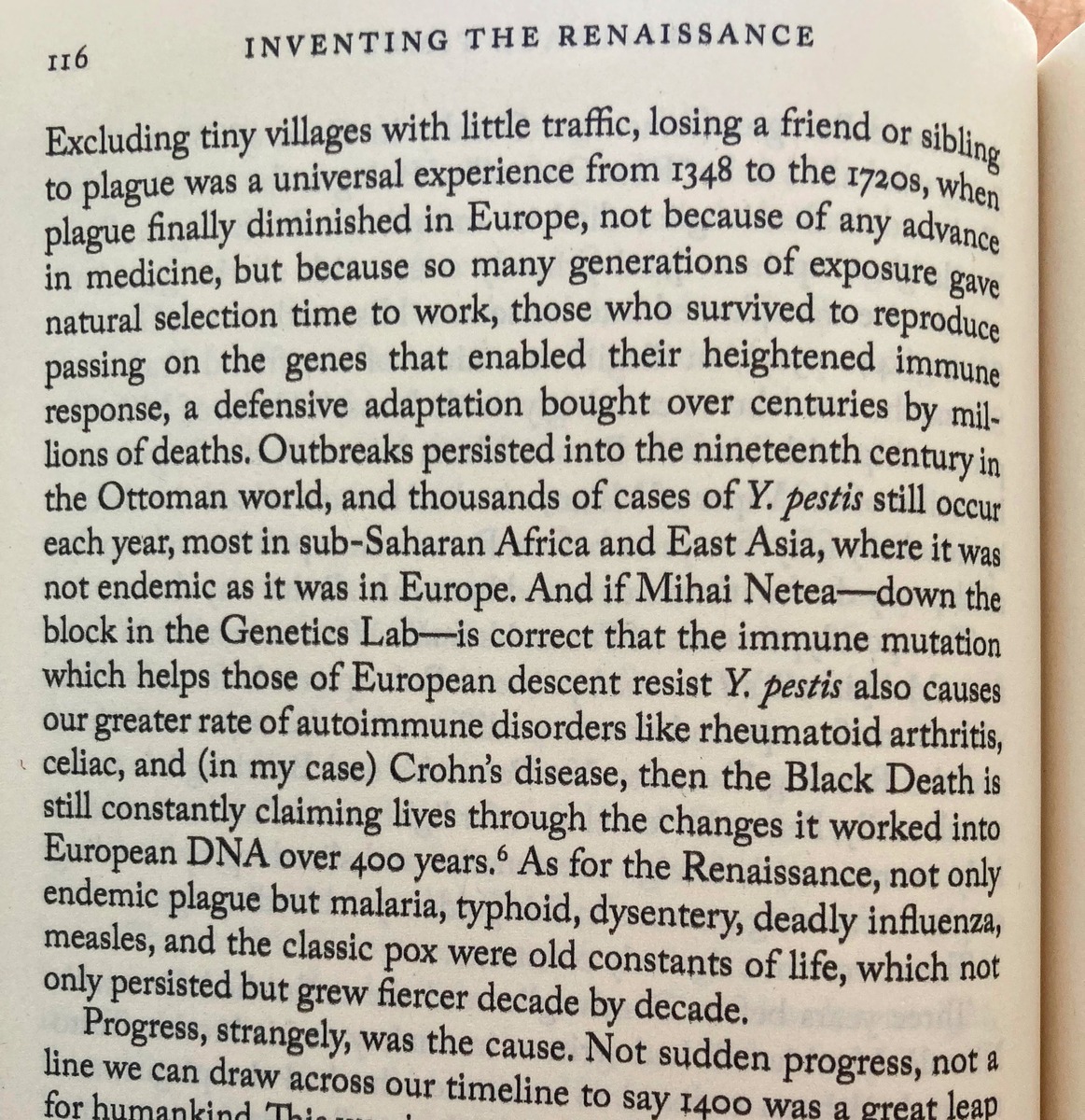
Doug notes that the Black Death's impact on European DNA may have led to increased resistance to Y. pestis but also a higher rate of autoimmune disorders, as suggested by Mihai Netea. He highlights that while plague and other diseases were constant threats during the Renaissance, their effects on modern health are still being felt.
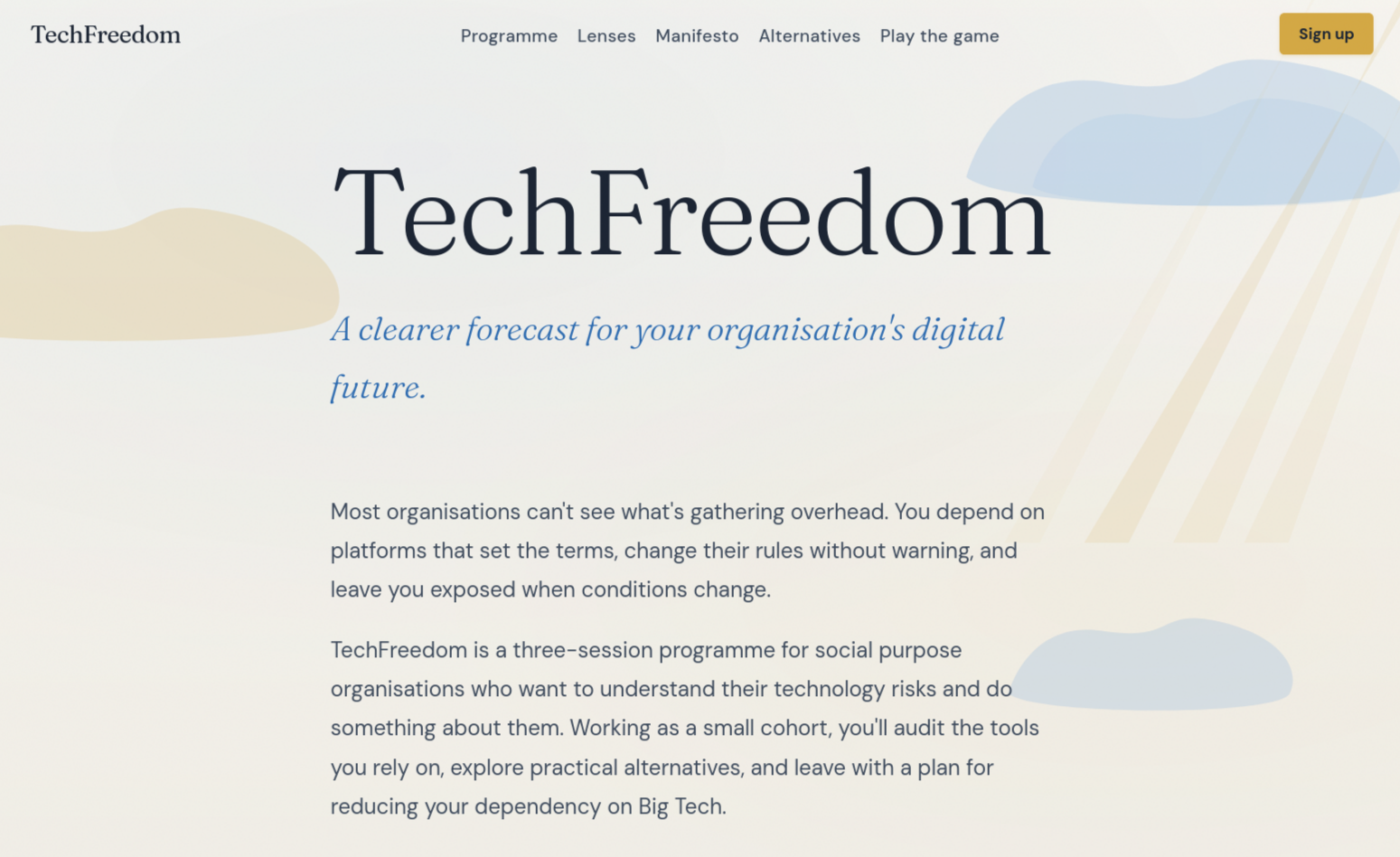
Doug announces that TechFreedom, now a project of FIELD STATION, is open for signups for its September cohort. The three-session programme, priced at £450, helps social purpose organisations assess technology dependencies and build strategic roadmaps, with sessions on 16 September, 30 September, and 14 October 2026. A free taster session is also available in early September.
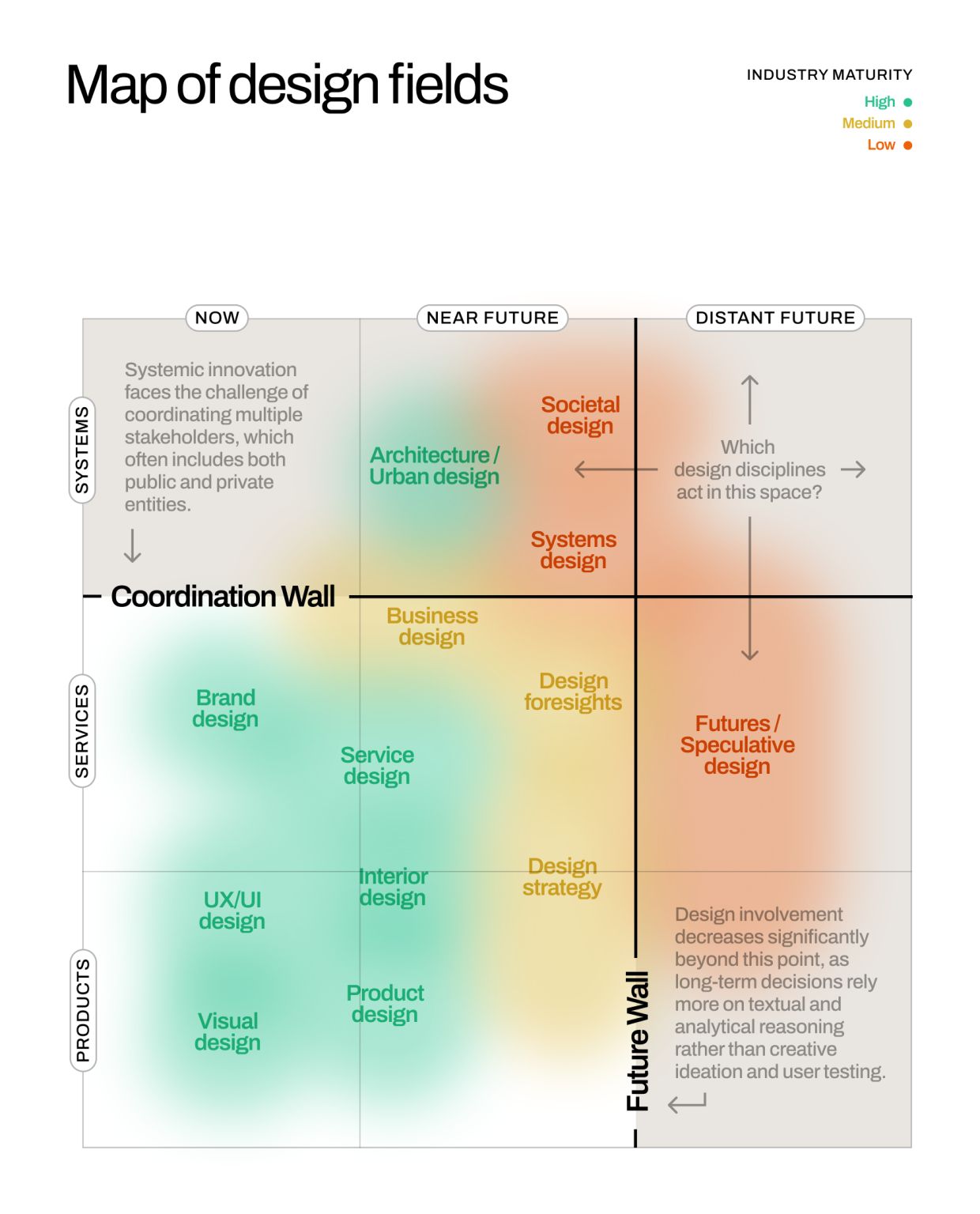
Doug found a map positioning design fields by time and scale, highlighting his interest in Systems Design. The image, sourced from an unknown origin via Are.na, shows a spectrum from product-focused fields to systems/futures fields, illustrating Doug's focus on the future and coordination.
Doug highlights that the Digital Credentials Consortium (DCC), previously hosted by MIT Open Learning, has moved to the Strada Education Foundation and been renamed the Digital Credentials Commons. He notes that the shift, supported by a $2 million grant from Walmart, will focus more on learners and earners, with Kerri Lemoie continuing as Executive Director.