As long as we have means of communication, there will be disinformation
The hand-wringing about disinformation in modern times paints an ahistorical view of the past. There has always been disinformation.
Take, for example, this passage from p.589 of Ada Palmer's Inventing the Renaissance (which I finished today) giving examples of what the printing press was being used for, even in the early days.
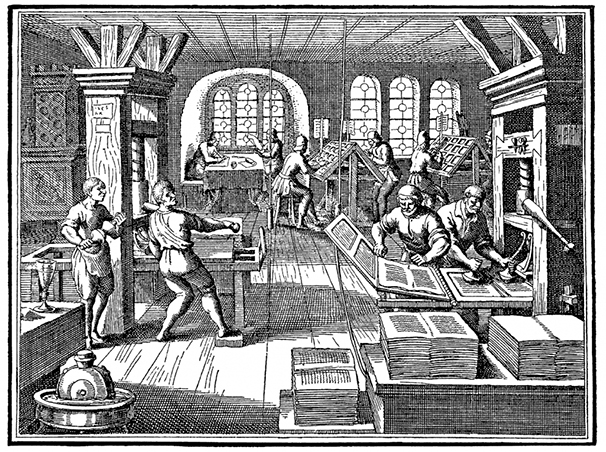
News, like always, moved at horse speed, and there had long been semi-professional news riders, people who traveled back and forth between cities, arriving in each with news of the other, delivering it to patrons and associates in return for pay or hospitality, and gathering new news to carry back. Such riders carried written documents as well: copies of letters, speeches, sermons, edicts, new laws, or trial outcomes. With printing came not only books, but broadsides (a single-sided sheet printed in one day), and pamphlets (a thin bundle of pages printed in a couple days) which could make hundreds of copies of a piece of news, and send it out much faster than a professional gossip could spread his news around a town and court. This transformed already existent news-rider networks into pamphlet networks: a rider sent from Milan across the Alps to Geneva carried a couple copies of every pamphlet he had found available in Milan, which would include some brought there from Venice, Florence, Naples, and Rome. The instant he reached Geneva, printers would pay him for the pamphlets and print their own versions, ready in three days to flood Geneva with exciting news, and to enter the bags of riders heading west to Lyon, north to Strasbourg, north-west toward Paris via Dijon, each city large enough to have a printer multiplying the pamphlet 500-fold.
This is how Luther’s words were in print in London seventeen days after they went public in Germany. Not all pamphlets were serious—many were tales of a flying mermaid, the visions of an unrecognized weird saint, a totally invented account of a crusader siege, vacuous speeches delivered at a ducal wedding, a satire on the Bishop of Paris set to the tune of a well-known harvest chantry, or a classic scandal rag, like A Cruel and Moving Case in the City of Padua of a Gentleman who Killed a Manservant with the Connivance of His Maid, Poisoned His Wife, Cut Out the Heart of the Maid, and At Last Set Himself on Fire. But pamphlets meant that in the 1510s new ideas could reach thousands in the time it took to reach dozens in the decades when there were printing presses but not yet networks.
Enjoyed this? Get new notes by email
A digest of new notes, daily, weekly or monthly. Confirm by email, unsubscribe any time. Prefer a feed reader? Subscribe via RSS.
Around this note
Shares soil with
Suggested by AI from similar content