On 'AI psychosis'
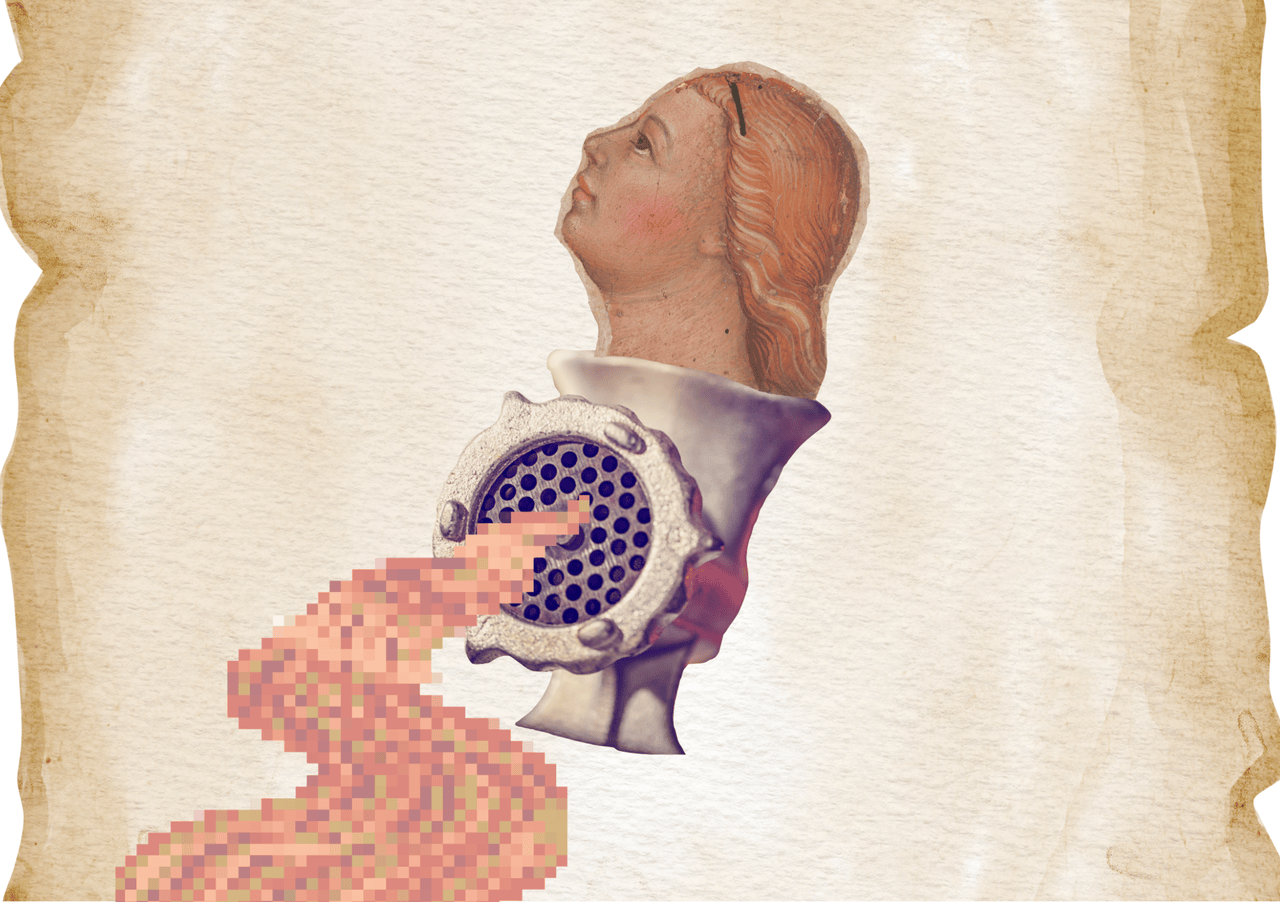
I'm not sure that pejorative terms such as AI 'slop' and AI 'psychosis' are helpful. Similarly, neither is 'cognitive surrender'. What's interesting is how similar or different over-reliance on a particular tool or workflow is for a particular individual. In that way, I think AI use can and should be considered in the same realm as 'addictions' to things like betting and algorithmic timelines.
A question remains unanswered by our spectrum of definitions: what's the point? Even in its most serious manifestation, is AI psychosis something to care about? Or is it simply the newest media-generated moral panic?
If the AI Psychosis Summit was any illustration of broader sentiment, people seem wholly unsure what the net cost-benefit calculation of chatbots looks like. Surely the positive cases outnumber the negative ones. And surely psychosis-inducing behavior can be trained away? But is there a stickier philosophical problem lurking beneath a post-training problem – namely, that users of LLMs want models that tell them nice, encouraging things, that don't say no to them the way a human would, and that this artificial agreeableness might carry the unavoidable side effect of inspiring delusion? As an illustration, when OpenAI briefly retired GPT-4o – the model most associated with sycophancy – the user backlash was so intense that the company restored it within a day.
If recent history serves as any precedent, AI psychosis's most acute cases look reasonably preventable. Researchers have begun converging on concrete safeguards such as those proposed in a 2026 World Psychiatry paper by Keshavan and colleagues. They include psycholinguistic filters that detect prolonged circular dialogue, refusal of delusional roleplay, and automatic hand-off pathways to human clinicians when risk thresholds are met. Regulators are enforcing safeguards. California now requires chatbots to periodically remind heavy users to take breaks, and the EU's AI Act will soon mandate disclosures that users are talking to a machine.
Perhaps the more sinister thing, then, is not the acute, gut-wrenching cases of a more literal AI psychosis but, ironically, the fuzzy cultural definition – AI psychosis inasmuch as it means having an unhealthy relationship to AI, including cognitive surrender, diminished analytical skills, and dwindling reading comprehension. Perhaps it's in the shakiest definitions of AI psychosis that we actually find pressing pleas for new labels.
– Brian Lehrer
Image: Deborah Lupton
Enjoyed this? Get new notes by email
A digest of new notes, daily, weekly or monthly. Confirm by email, unsubscribe any time. Prefer a feed reader? Subscribe via RSS.
Around this note
Grows from
Feeds into
Shares soil with
Suggested by AI from similar content