Doug summarises a detailed guide by Nīkau on transitioning organisations away from big tech platforms, emphasising sovereignty and a holistic approach over mere migration. He notes its technical focus and relevance to his work with FIELD STATION and TechFreedom, highlighting the importance of user engagement and careful planning in the process.
Doug highlights a buried Apple feature designed for cognitive disabilities, which he found also transforms an iPhone into an ideal dumb phone for kids. The article, sourced from WIRED, discusses this underutilised setup that even Apple hasn't prominently promoted.
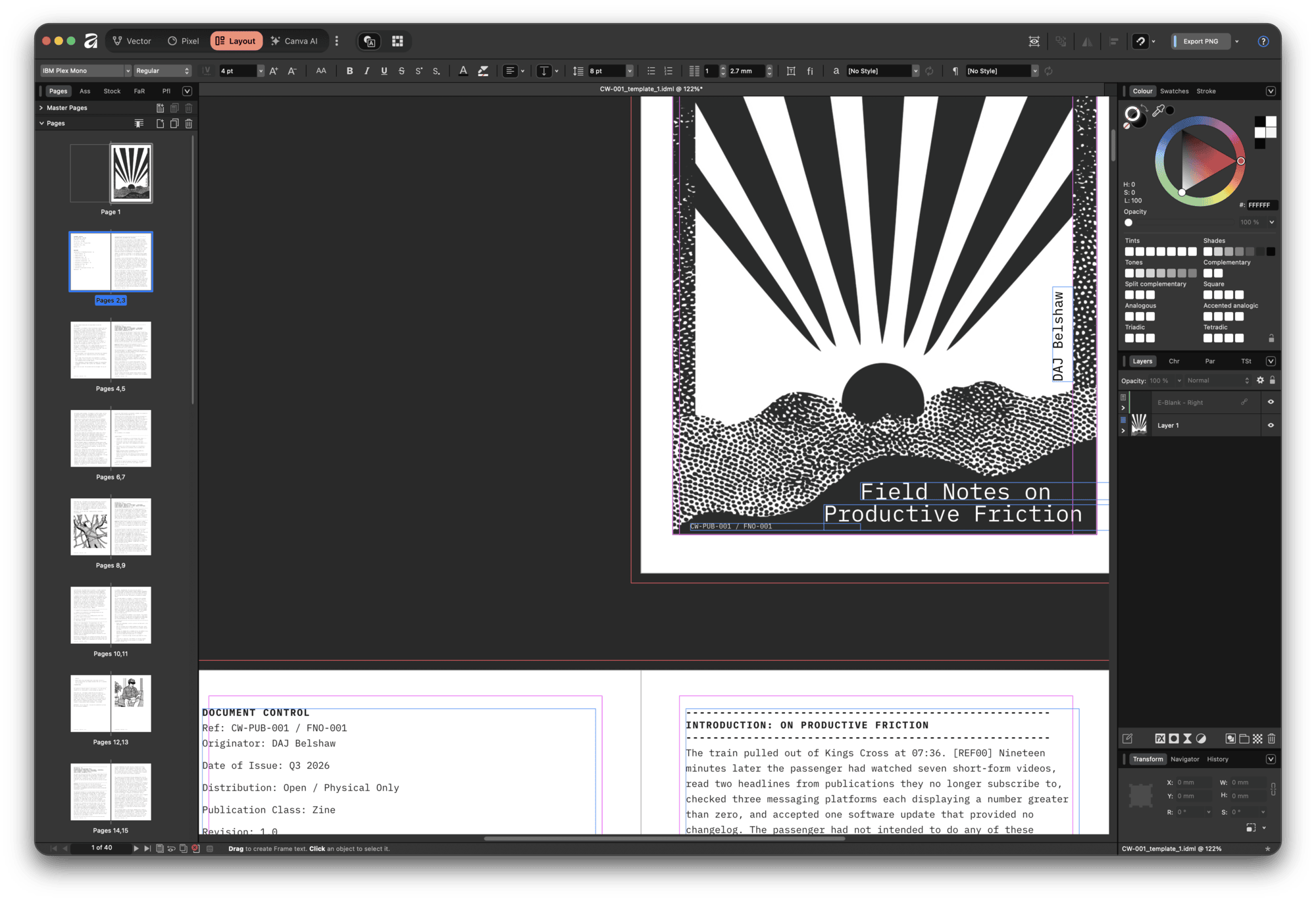
Doug has sent his first zine, Field Notes on Productive Friction, to the printer for a sample copy. The zine, with only 23 out of 50 copies remaining, will not have a digital version.
Doug critiques Rose Horowitch's The Atlantic article, arguing that it oversimplifies the 'end of reading' narrative. He contends that the piece ignores broader societal factors, such as Big Tech and capitalism, and instead blames individuals for changing reading habits. Doug also highlights the author's moralistic stance and lack of substantial evidence, quoting David Hume's is-ought problem to illustrate the logical fallacy.
Doug highlights a quote from Marcus Aurelius' Meditations, emphasising that tranquillity can be found anywhere, much like Plato's notion of inner peace within city walls. The accompanying image depicts two people reading books comfortably, reinforcing the idea of finding serenity in simple activities.
Doug reflects on his potential AuDHD diagnosis, noting how it explains past behaviours, such as 'masking' traits. He shares insights from articles and personal experiences, highlighting how medication may help manage symptoms, and discusses the recent rise in awareness of AuDHD.
Doug explores the decline of ambiguity in society, driven by a desire for clarity and action. He highlights the concept of 'New Literalism', a cultural shift towards superficiality and disengagement from complex ideas, as exemplified by museums retreating from controversial topics. Doug argues that institutions should embrace ambiguity and foster media literacy to help communities navigate complex issues.
Doug summarises David Brooks' article from The Atlantic, which explores how AI usage varies based on individuals' predispositions, or their need for cognition. Brooks proposes a typology of users: Productive Passengers (low need for cognition), Reluctant Optimizers (medium need), and Mental Marathoners (high need), with Doug noting Brooks' concern about a potential "mental underclass" but finding the typology somewhat oversimplified.
Doug appreciates this post for its nuanced perspective on AI trust. He highlights that the importance of AI's role varies greatly depending on the context, from significantly altering our interpretation of creative works to being largely inconsequential in everyday transactions. Doug shares his personal experiences using AI tools, demonstrating their integral role in his workflows and creative projects.
Doug developed an unofficial macOS app, Garmin Music Manager, to simplify music management on Garmin watches, bypassing the need for Garmin Express or Apple Music. The app offers drag-and-drop functionality, playlist management, and works independently of other software.
For a seed to achieve its greatest expression, it must come completely undone. The shell cracks, its insides come out and everything changes. To someone who doesn’t understand growth, it would look like complete destruction.
When a complex system is far from equilibrium, small islands of coherence in a sea of chaos have the capacity to shift the entire system to a higher order.
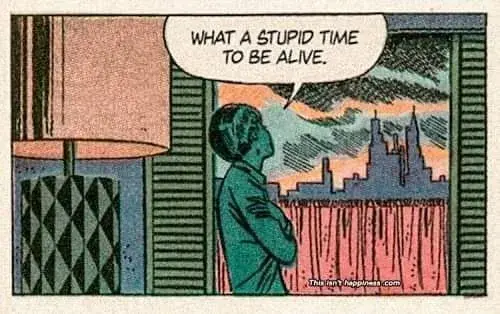
Doug argues that despite global issues, the present time offers significant advantages. He highlights increased life expectancy, reduced violence, growth in clean energy, widespread access to knowledge, and decreased extreme poverty as key reasons why it's a great time to be alive.
Doug's News Canary for 5 July 2026 is a weekly compilation of global change signals, blending hard developments and soft cultural shifts from each continent. It highlights key stories such as China's ethnic unity law, Venezuela's earthquakes, Peru's presidential election, and various geopolitical and environmental issues, all curated with a focus on scale, impact, and future potential.
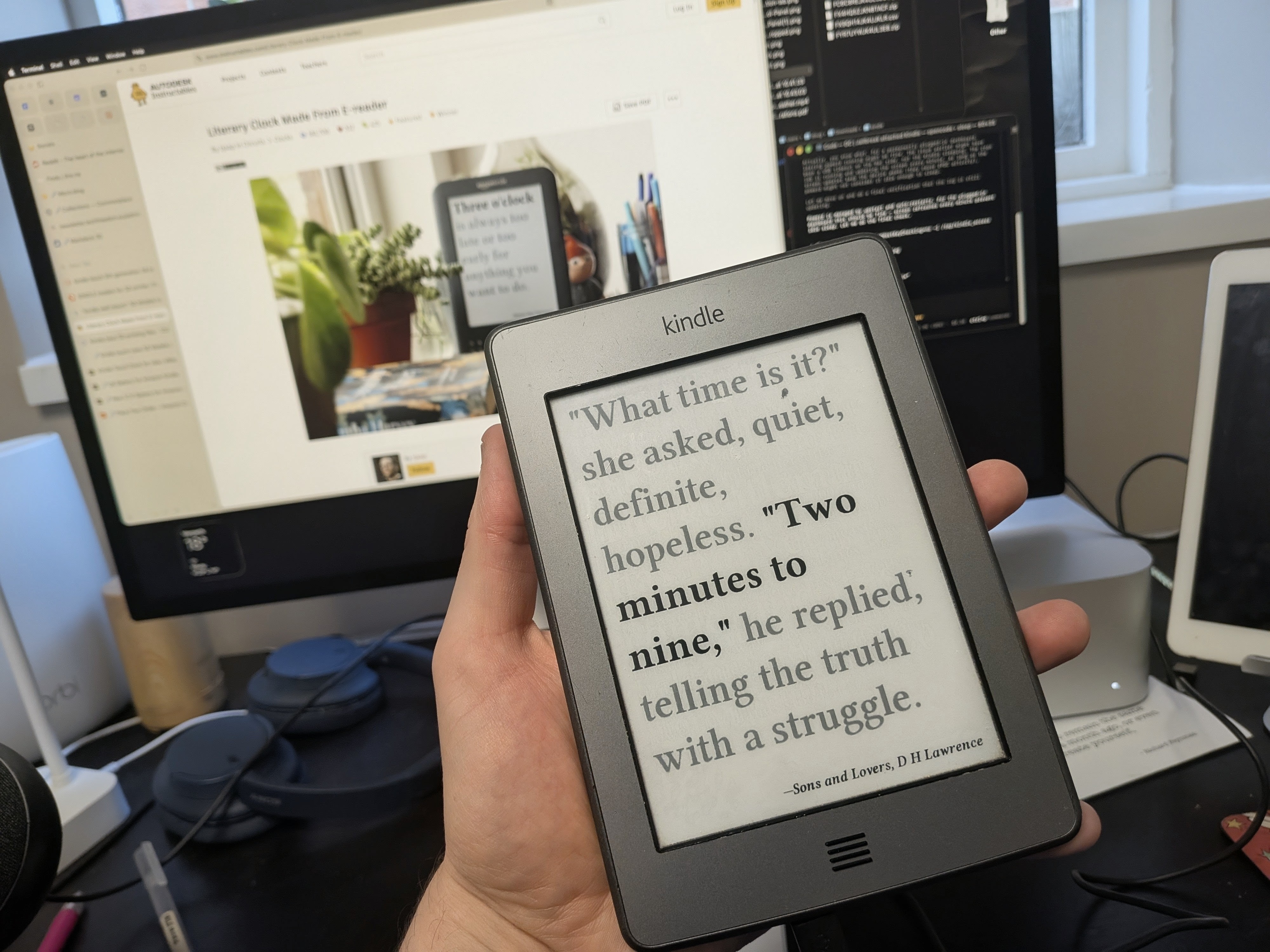
The great thing about LLMs is that I can point them at blog posts like this one explaining how to jailbreak an old Kindle and turn it into a 'literary clock', then tell them to crack on. With a bit of guidance and troubleshooting they can do stuff that either I would never get round to, or I'd get frustrated by.
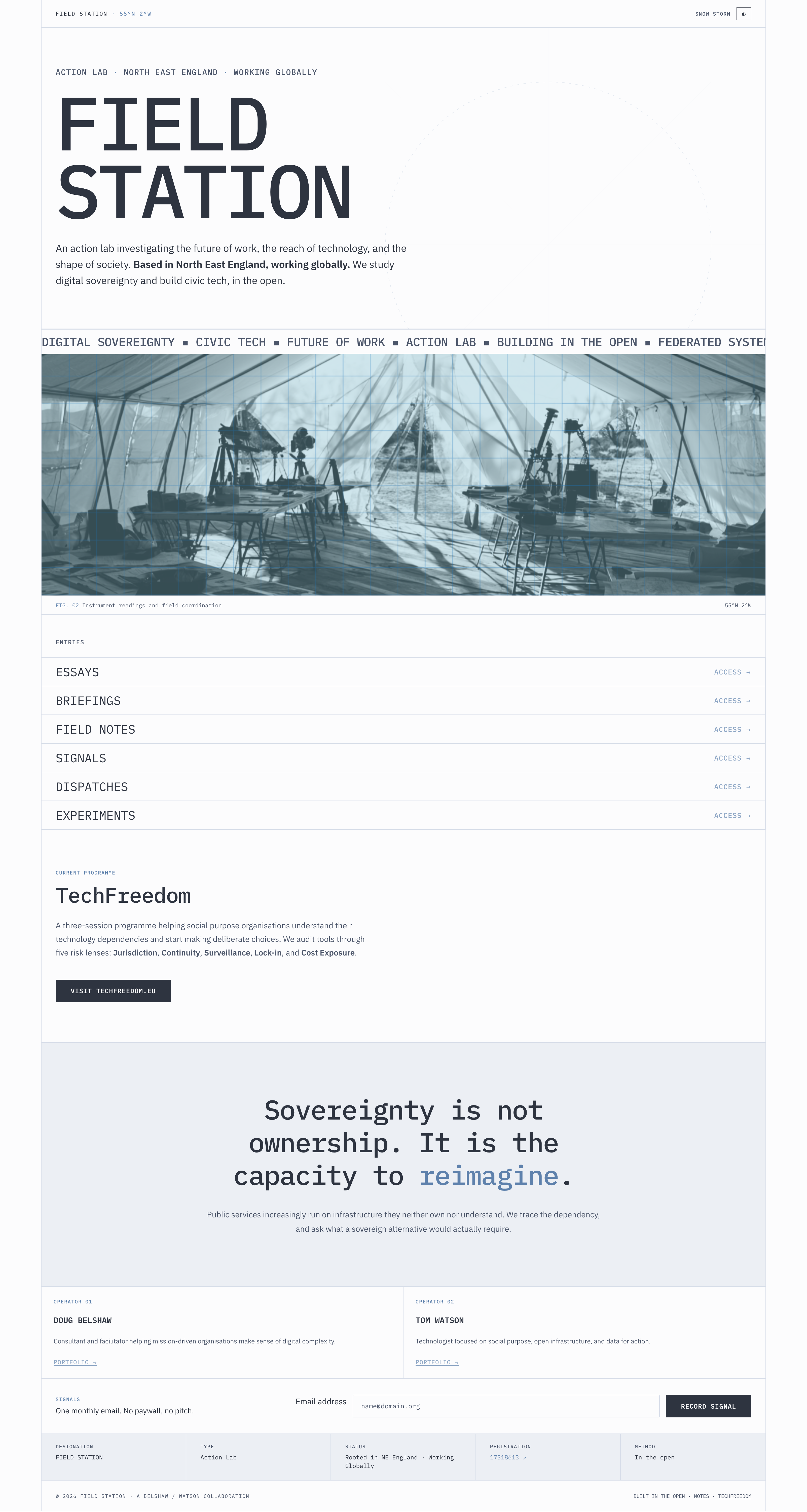
Doug has officially launched his new venture, FIELD STATION, along with Tom Watson. The company has been incorporated at Companies House and is now operational, with Doug currently setting up bank accounts and accounting software. He is eager to find clients and encourages interested parties to get in touch.
Doug has upgraded TaskDial to include an energy curve and weather information. These additions aim to enhance productivity by helping users plan tasks based on their energy levels and local weather conditions. A video demonstration is available.
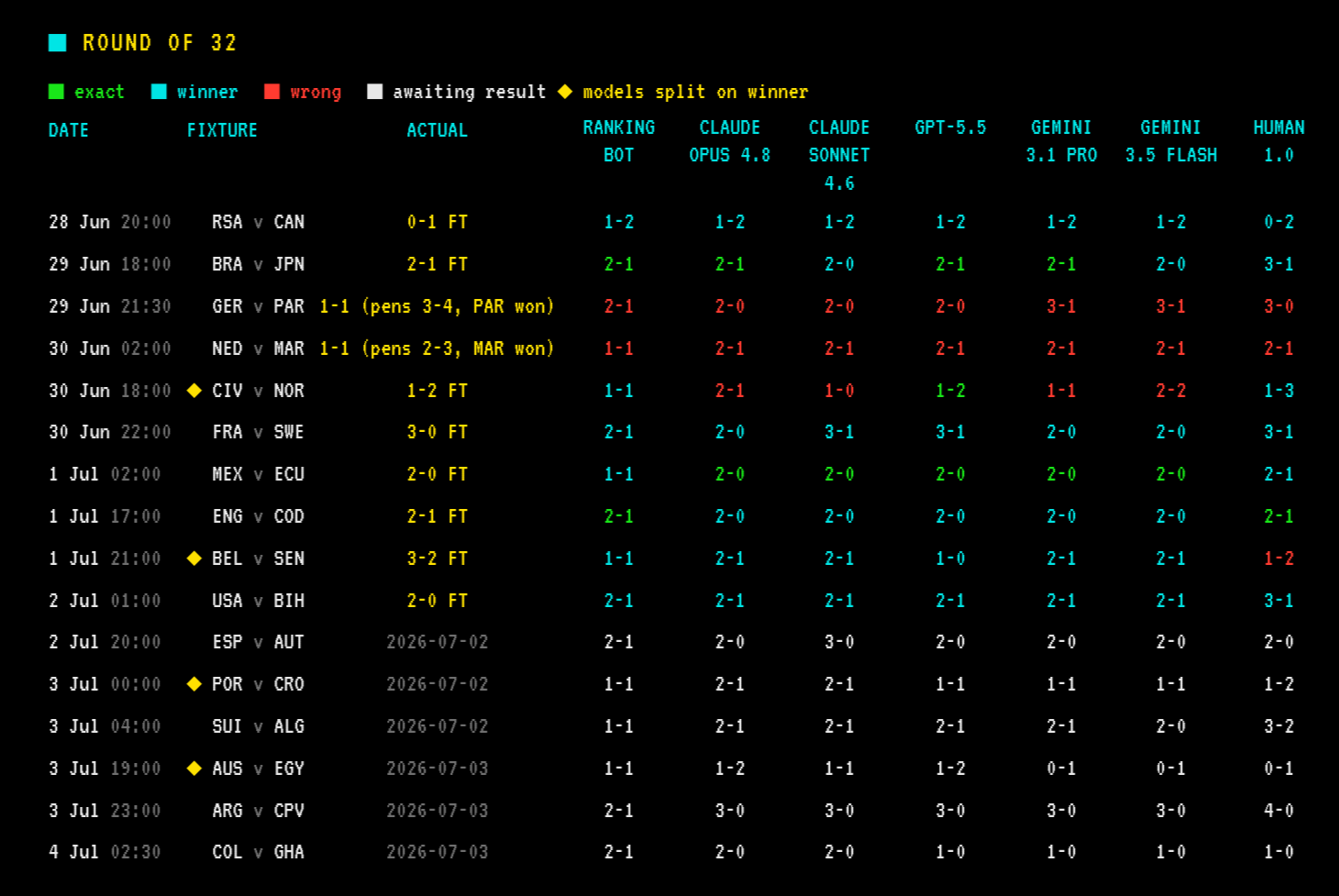
Doug explores the use of AI models to predict World Cup 2026 game outcomes, comparing them to FIFA rankings and human predictions. He notes that while some models show slightly higher accuracy, the differences are not statistically significant, with results ranging from 56% to 65% correct outcomes. The analysis includes a breakdown of performance for various AI models and a human predictor.
"We all know the elephant in the room' — the topic that everyone knows is there, but no one talks about. But what about the mosquitoes in the room, the tiny things we sense but ignore?"
— Mariana Alessandri, 'The fourth wall' (New Philosopher, #49)
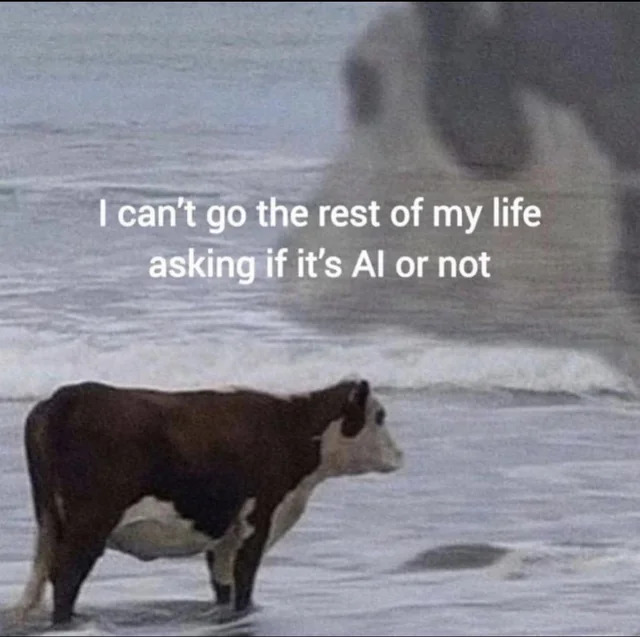
Doug argues that the focus should not be on whether something is AI or not, but rather on the practical outcomes it produces. He criticises those who fetishise human creativity and misunderstand the role of tools as amplifiers, not causal agents. Doug chooses to live his values and evaluate the difference AI makes in practice, rather than policing its use.
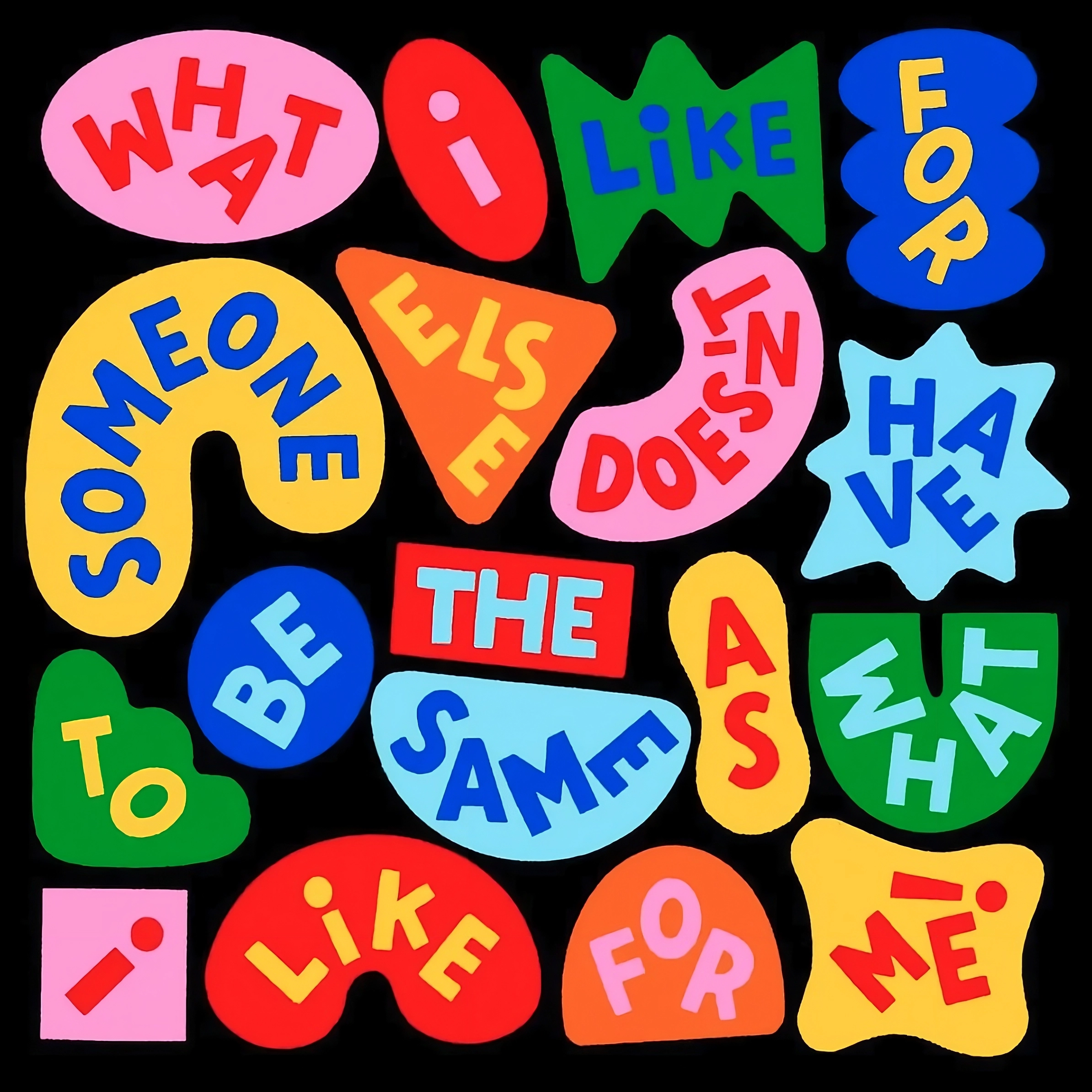
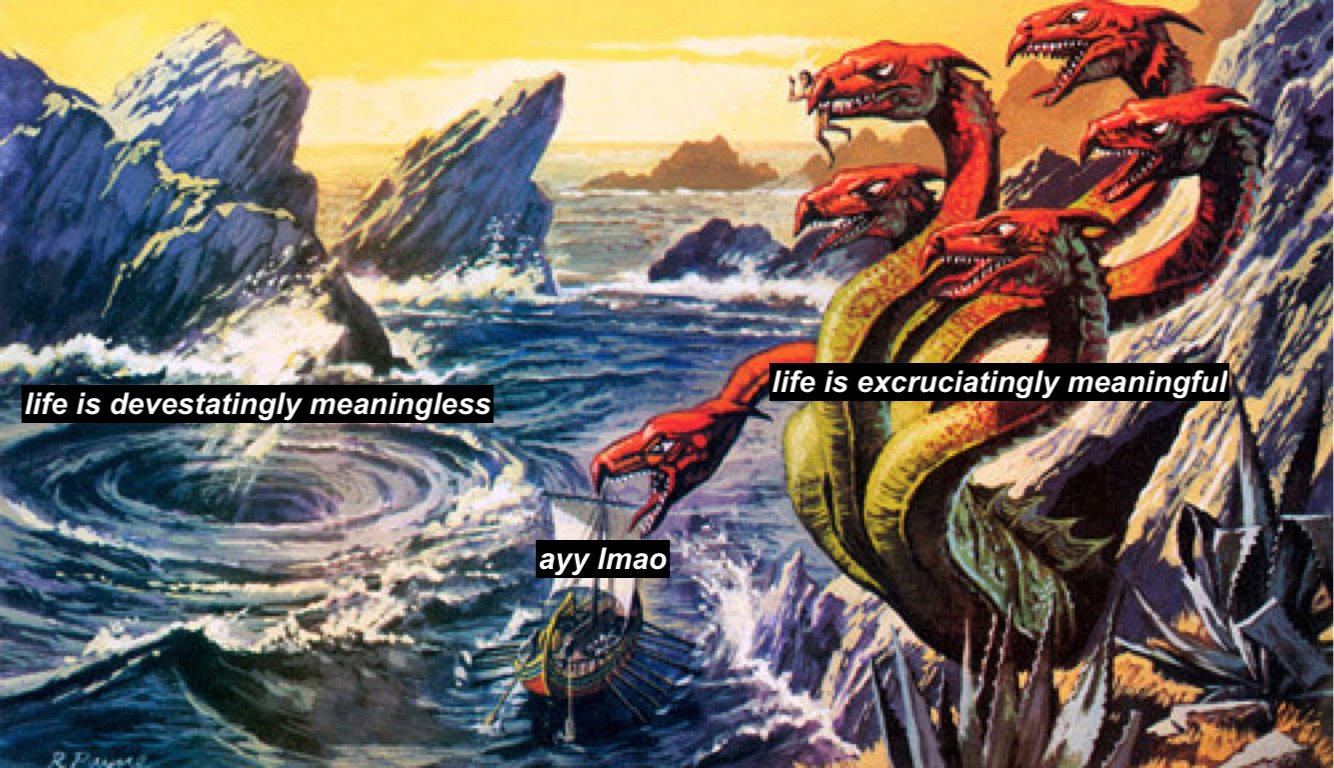
Doug discusses the concept of Pragmatism, highlighting its distinction from the more casual use of the term 'pragmatism', and draws an analogy with Stoicism. He encourages readers to learn about Pragmatism, also referencing Eudaimonia. Doug shares his thoughts alongside an image, which he notes has a charm due to a misspelled word.
Doug suggests that individuals can achieve notable results with folk software by utilising five key approaches, including creating specific skills and using tools like batching and test-driven development. These methods enable users to build effective systems with Large Language Models (LLMs). By implementing these strategies, users can improve their overall folk software experience and create more efficient systems.