
Yep, it explains quite a lot
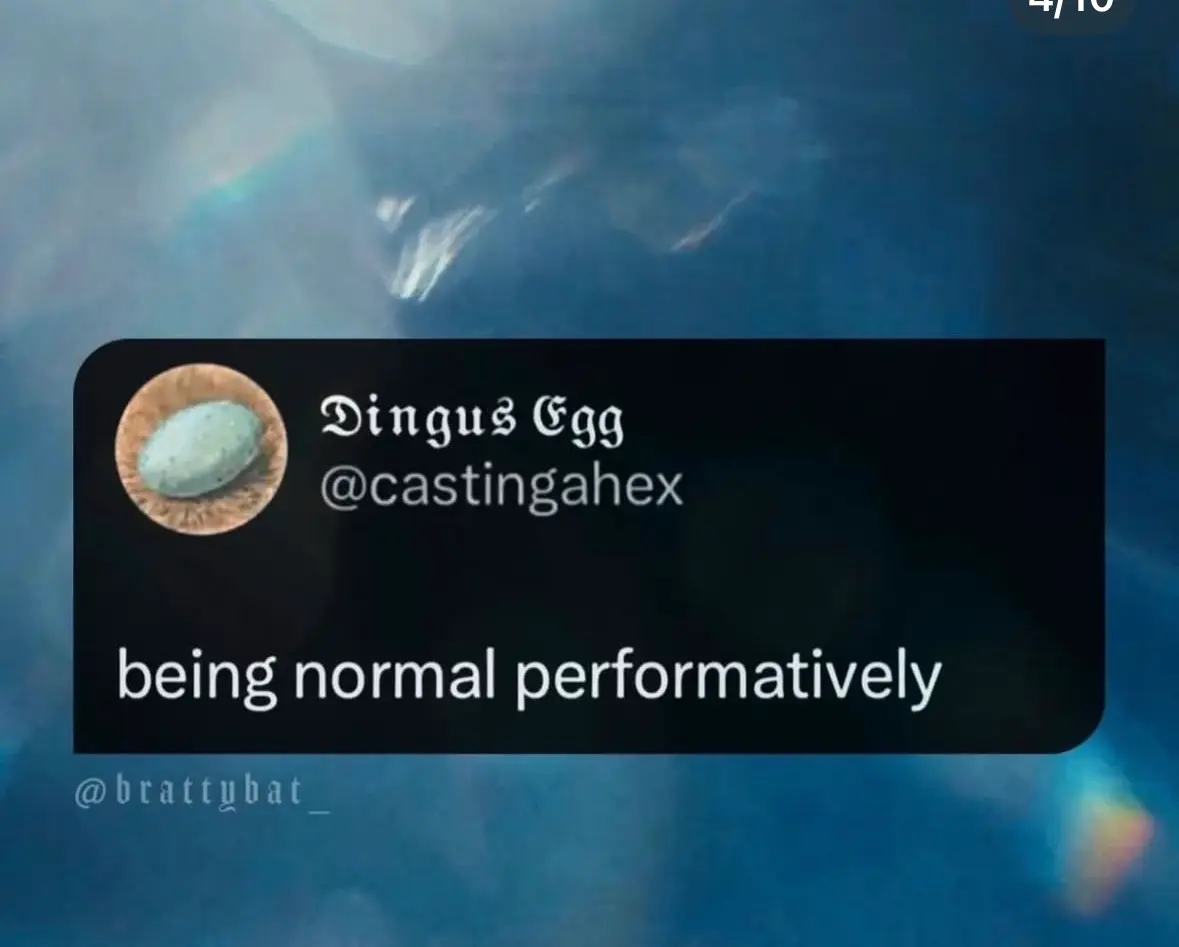 As I think I've mentioned previously, in the past few weeks I've had a couple of conversations which were incredibly eye-opening to me. I think it's quite likely that I have what has, since 2013, been referred to as AuDHD. Essentially, it's something different to autism and ADHD when each are present individually, and is instead a complex, ever changing relationship.
It would explain a lot. For example, when I had CBT in 2019-20 my therapist talked about me 'masking' and said that this was because I didn't think I was good enough. Let me tell you, that has never been a problem in my life, and I did push back a bit. Ultimately I took the advice to 'take the mask off' and just be me.
Now, I think, that mask was probably AuDHD-related. So now that the scales are falling from my eyes somewhat, I'm learning about particular traits I have that I've either suppressed, ignored, or masked. A good example of this comes from this article on ADHD spouse communication issues:
For the non-ADHD partner: You're talking and your spouse's eyes glaze over, they start doing something else, or they respond to something you said five minutes ago as if you just said it. You feel invisible, unimportant, or like you're competing with everything else in the environment for their attention.
For the ADHD partner: You're trying to listen, but your mind keeps wandering. You catch yourself thinking about something else mid-conversation and have to ask your spouse to repeat themselves. You feel frustrated with your own brain and ashamed that you can't seem to give your partner the attention they deserve.
Interestingly, the medication of which I'm taking a low dose might be helping me. It was prescribed before I had a diagnosis of overtraining syndrome but might be helping me, as SNRIs inhibit the uptake of not only seratonin but also norepinephrine:
The general function of norepinephrine is to mobilize the brain and body for action. Norepinephrine release is lowest during sleep, rises during wakefulness, and reaches much higher levels during situations of stress or danger, in the so-called fight-or-flight response. In the brain, norepinephrine increases arousal and alertness, promotes vigilance, enhances formation and retrieval of memory, and focuses attention; it also increases restlessness and anxiety. In the rest of the body, norepinephrine increases heart rate and blood pressure, triggers the release of glucose from energy stores, increases blood flow to skeletal muscle, reduces blood flow to the gastrointestinal system, and inhibits voiding of the bladder and gastrointestinal motility.
A 2024 meta-analysis showed that Duloxetine, as a norepinephrine inhibitor, can significantly reduce the symptoms of ADHD. So all of this to say: I was weaning myself off Duloxetine, but now I'm not. In fact, there's an argument to say that just as I need contact lenses to be able to see properly, so I might need something to help with the ol' brain chemistry.
One final thing for those wondering how ADHD and Autism interact: this video is great.
No two AuDHD profiles are identical, but common features include:
- Intense, focused interests (often seen in autism) combined with difficulty sustaining focus on other tasks (ADHD)
- Strong need for predictability and routine (autism) alongside chronic disorganization and time blindness (ADHD)
- Social difficulties that reflect both autistic social processing differences and ADHD impulsivity in conversation
- Sensory sensitivities (usually autism-related) that are managed with difficulty given reduced self-regulation capacity
- Significant masking effort, leading to autistic burnout
- Comorbid anxiety that doesn't fully resolve when either condition is treated alone
I haven't had a diagnosis for AuDHD, and don't know if I ever will. But I've recognised myself so much in what others with the condition describe, as well as what I've read in the literature on the topic.
Oh, and the reason that people are talking about AuDHD now whereas previously it wasn't a thing?
The use of “AuDHD” began rising around 2022, alongside a broader wave of neurodivergent education online. People started sharing their stories, creating language, and building community.
Diagnostic history also plays a role. Before the DSM‑5 (2013), clinicians technically couldn’t diagnose both ADHD and autism in the same person; they had to choose one. Once that changed, more people began receiving dual diagnoses, including many adults from the “lost generation” who were missed in childhood. In our survey, the majority of AuDHD respondents reported getting one or both diagnoses in adulthood, often after years of misdiagnosis or being told they were “just anxious” or “too sensitive.”
The overlap between cultural awareness and medical change sparked broader recognition of AuDHD and strengthened community identity. Together, these shifts helped more people recognize themselves in the term and find each other.
Source: Are.na block · Vibes channel