In early 2027, FIELD STATION is planning to host a Digital Sovereignty Unconference in Newcastle-upon-Tyne. Sign up here for updates and to get involved!
The "Time Til Starve" (TTS) spreadsheet is a simple ledger used by the author and the We Are Open Co-op to track income and expenses, ensuring solvency. After the co-op dissolved, the author now uses a similar TTS for their own business, Dynamic Skillset, to calculate how many months they can operate without new work.
The note reflects on a coaching session about personal mythologies, where the author explores their tendency toward 'beast mode' and moralizing productivity. They decide to adopt a seasonal, systems-based approach to life and work, focusing on energy and intentionality rather than effort inflation. The session concluded with three guiding questions for unlearning protective coping mechanisms and avoiding burnout by age 50.
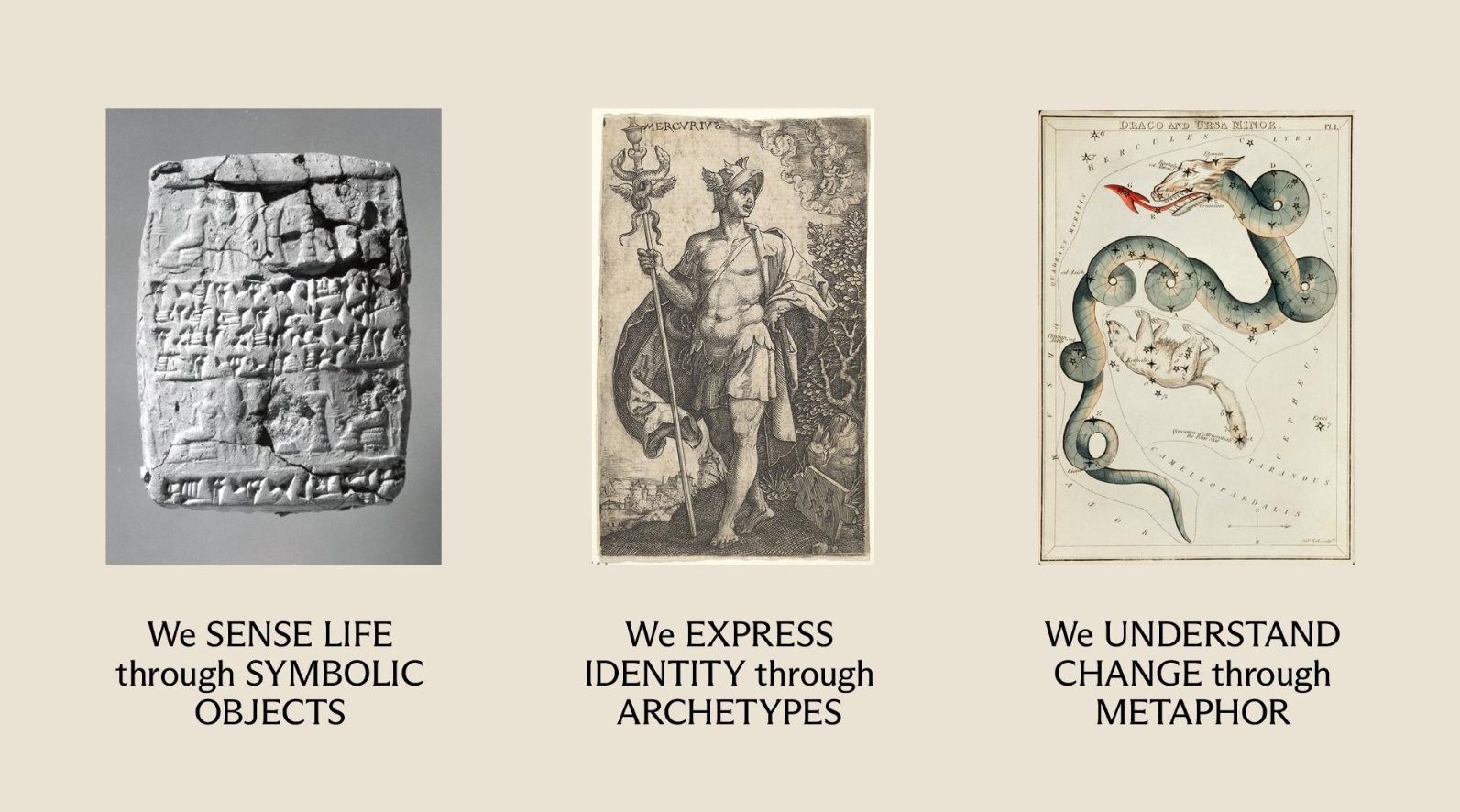
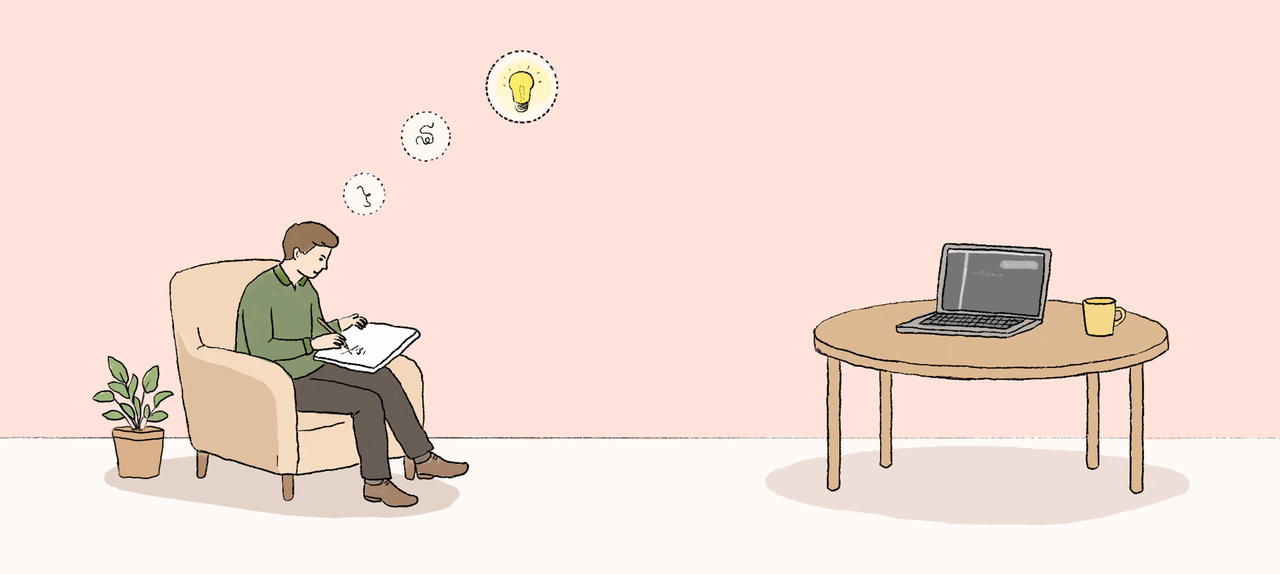
A workshop by Annalise Lewis on May 1, 2026 explored how metaphors shape perception and can evolve rather than replace existing narratives. The session introduced four layers of story, clean language techniques, and a "poetic shift" to empower change. It prompted personal reflection on evolving a consultancy practice toward greater risk tolerance and systems thinking.
titles.xyz lets artists pre-train AI models that others can use to create art, with the original artist earning a cut of any transactions. The author used free credits to generate an image with Venkatesh Rai's Bucket Art model using the prompt 'substrate'.
The note explores activist neuroaesthetics, which frames aesthetic life as an ongoing relational practice rather than a product, and aims to resist capital's extraction from the nervous system by forming new circuits. It argues that beauty is contested because it is a site of capital extraction, and that militant neuroaesthetics seeks to transform relations between bodies and environments, not just lower cortisol. The practice is embodied, durational, and collectively elaborated, producing capacity in bodies rather than merely effects on them.
This note is a curated collection of Douglas Adams quotations from his books, including The Salmon of Doubt, The Long Dark Tea-Time of the Soul, and The Hitchhiker's Guide to the Galaxy series. The quotes are grouped by source and cover topics such as technology, human nature, bureaucracy, and philosophy. The title suggests the author finds Adams' wit and wisdom applicable to many situations.
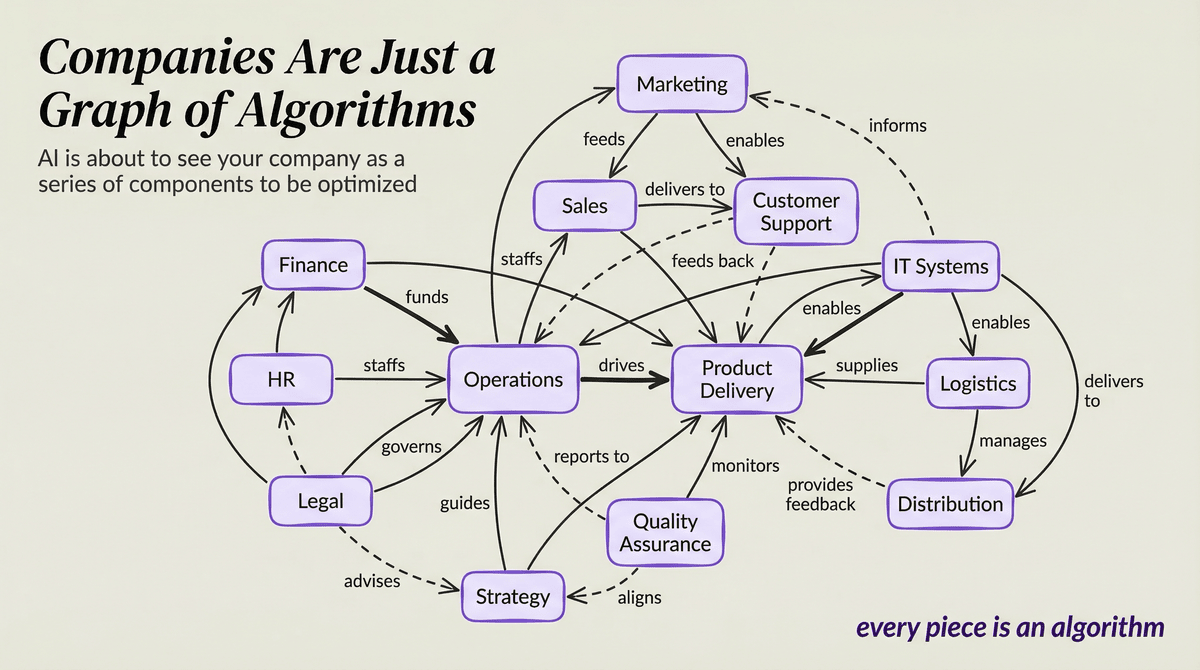
The note critiques Daniel Miessler's idea that businesses are simply a "graph of algorithms" by linking it to Stafford Beer's Viable System Model, arguing that AI can optimize but not fully automate the complexity of multinational companies. The author concludes that human skill and context remain essential for redesigning processes.
The note discusses the irony of using AI to write about AI's dangers, citing a papal encyclical where AI detectors flagged significant portions as AI-generated while also showing high false-positive rates. It also recounts an author finding AI-created synthetic quotes in his book, emphasizing the need for better fact-checking.
Instead of building an audience, build a digital garden-ecosystem that exists for itself and doesn't need likes or traffic to be valid. This world will attract kindred spirits who discover and fall in love with it, and it should be expansive enough to hold your work, spirit, and audience.
The author manually copies project hours from Toggl into Proton Sheets, then uses a formula to convert the time format (e.g., 30:45:00) into decimal hours (e.g., 30.75) for further analysis. The note provides the formula for reference, noting this workaround is needed because the spreadsheet cannot natively handle Toggl's raw time output.
The author dislikes LinkedIn for its performative nature, Microsoft ownership, and AI-generated content, but acknowledges its utility for staying connected. They are currently not active on their blogs or other social media.
The note describes a concept for future apps that build themselves by drawing on universal 'skills' and allowing users to refine functionality through questions. It envisions composable, context-aware interfaces shaped by user preferences, accessibility-first voice conversations, and a value proposition canvas process.
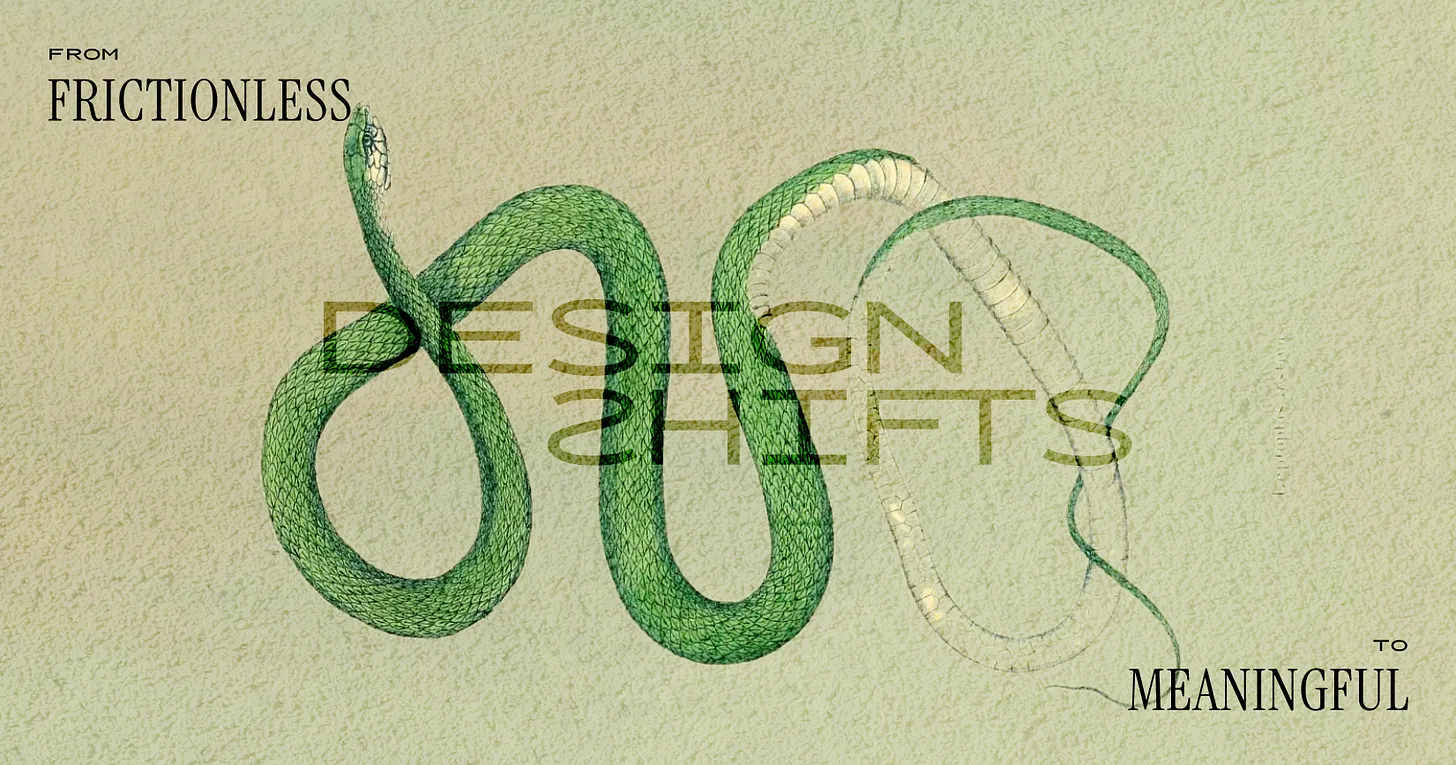
Friction is presented as a valuable design principle that creates meaningful experiences by prompting reflection, responsibility, and connection. The note argues that intentionally designing friction into life can help people move forward with awareness and purpose, rather than seeking ease and speed.
The note argues that measuring developer productivity through output volume—lines of code, commits, or AI-generated tokens—confuses activity with value. True productivity involves solving the right problems effectively, not generating more code. Metrics that fail to assess problem-solving quality measure only engagement with the tool, not
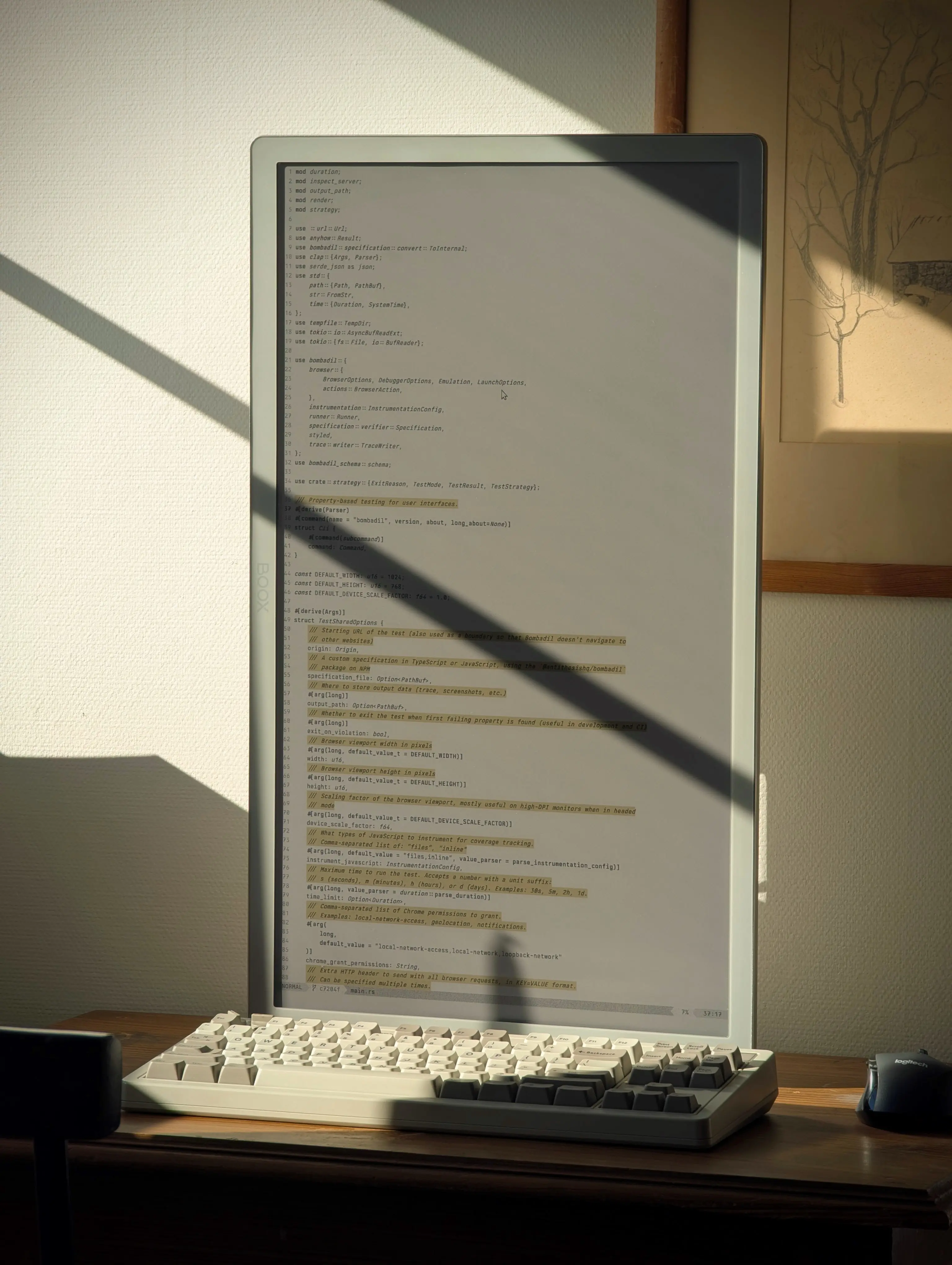
The author is interested in e-ink screens for writing, particularly to reduce glare due to light sensitivity, and wishes for a laptop that can switch between regular and e-ink displays. They cite a programmer's experience using the Onyx BOOX Mira Pro Color e-ink monitor as a primary display.
The note argues that the US resembles a failed state due to the arbitrariness and uncertainty caused by an unpredictable narcissist leader. The author would prefer to go to China than the US and declined a respected invitation to a US-based conference for this reason.
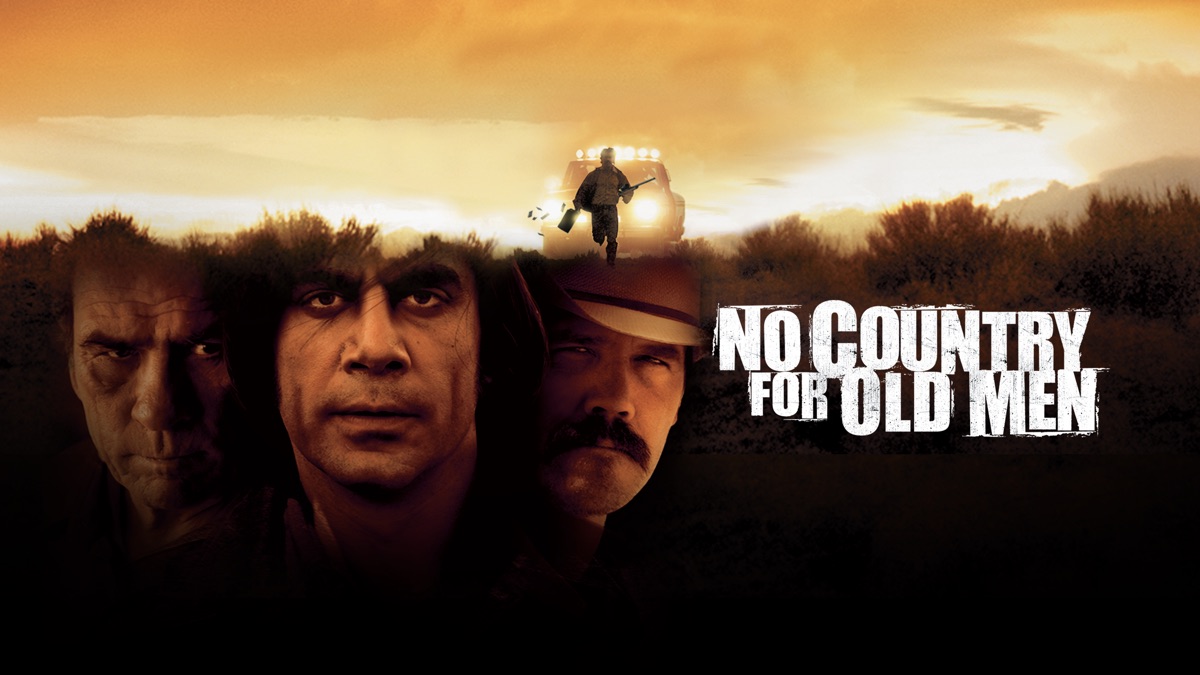
The note compares Cormac McCarthy's novel and the Coen brothers' film adaptation of No Country for Old Men, noting that while they share the same events and dialogue, the book emphasizes Sheriff Bell's reflective narration and randomness, while the film focuses more on the suspenseful hunt and alters Carla Jean's death scene to imply cause and effect.
The note explains that after trying other tools like Obsidian and Forestry.md, the author created Substrate, a digital garden that pulls in Are.na bookmarks and organizes notes into stages: Rough, Working, and Settled. The name derives from the biological concept of substrate, the surface on which organisms live, as a more fitting metaphor than "digital garden."