
No Country for Old Men
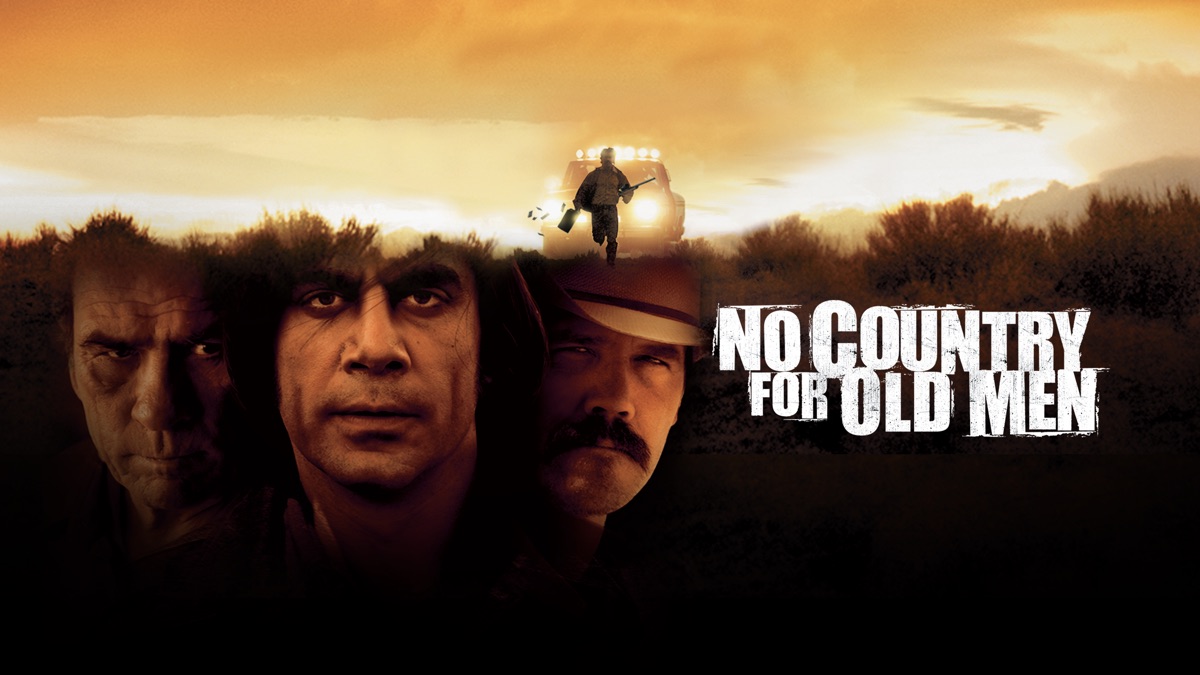
I re-watched the film No Country for Old Men after reading the novel recently. It's a pretty faithful adaptation, but there's some important differences between page and screen, mainly to do with emphasis.
Perhaps the film could have done with a narrator. What I like is the moral ambiguity.
Perplexity's summary is a good one:
Cormac McCarthy’s novel and the Coen brothers’ film tell almost exactly the same story at the level of events and dialogue, but they differ in where they place the centre of gravity. On the page, Sheriff Ed Tom Bell is the organising voice: each section opens with his reflective monologue about ageing, violence, and a world he feels he no longer understands, which turns the crime plot into a broader meditation on fate and moral exhaustion. The film keeps Bell important but sidelines a lot of this interior material, instead giving more weight to Llewelyn Moss’s pursuit and Anton Chigurh’s implacable hunt, so it lands more as a stripped‑down, suspenseful neo‑western thriller.
The adaptation also trims or alters a few key beats in ways that subtly shift the themes. Several small episodes from the book vanish or are streamlined (Moss’s hitchhiker, some collateral deaths, more of Chigurh’s recovery), and the big change is Carla Jean’s final scene: in the novel she submits to Chigurh’s coin toss and loses, while in the film she refuses to play his game and he kills her anyway. On the page this underlines a world ruled by randomness, whereas on screen it emphasises Chigurh’s self‑imposed code and implies a clearer chain of cause and effect. The result is that the book leans harder into the horror of lives governed by chance, while the film slightly reshapes that idea into a more classical, if still bleak, confrontation between human choices and a pitiless antagonist.