Substrate

A digital garden of notes, ideas, and reflections from Doug Belshaw.

ideas updated 1 min read

Garmin Music Manager (unofficial)

AI summary

Doug developed an unofficial macOS app, Garmin Music Manager, to simplify music management on Garmin watches, bypassing the need for Garmin Express or Apple Music. The app offers drag-and-drop functionality, playlist management, and works independently of other software.

…

ideas updated 1 min read

Using AI to predict the outcome of World Cup games

AI summary

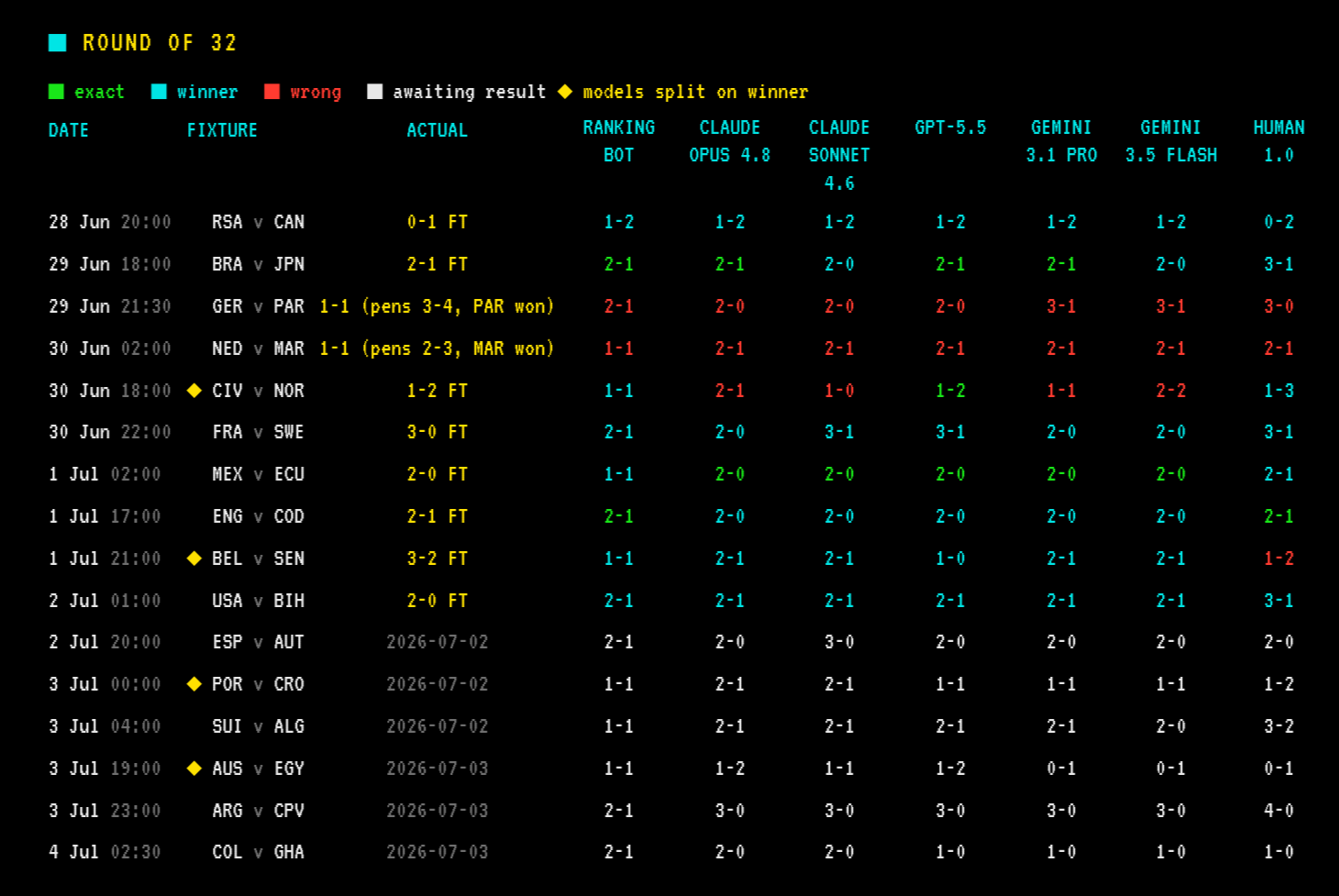
Doug explores the use of AI models to predict World Cup 2026 game outcomes, comparing them to FIFA rankings and human predictions. He notes that while some models show slightly higher accuracy, the differences are not statistically significant, with results ranging from 56% to 65% correct outcomes. The analysis includes a breakdown of performance for various AI models and a human predictor.

…
ideas updated 1 min read

5 ways to improve your folk software

AI summary

Doug suggests that individuals can achieve notable results with folk software by utilising five key approaches, including creating specific skills and using tools like batching and test-driven development. These methods enable users to build effective systems with Large Language Models (LLMs). By implementing these strategies, users can improve their overall folk software experience and create more efficient systems.

…
ideas updated 1 min read

Adding creativity to artworks

AI summary

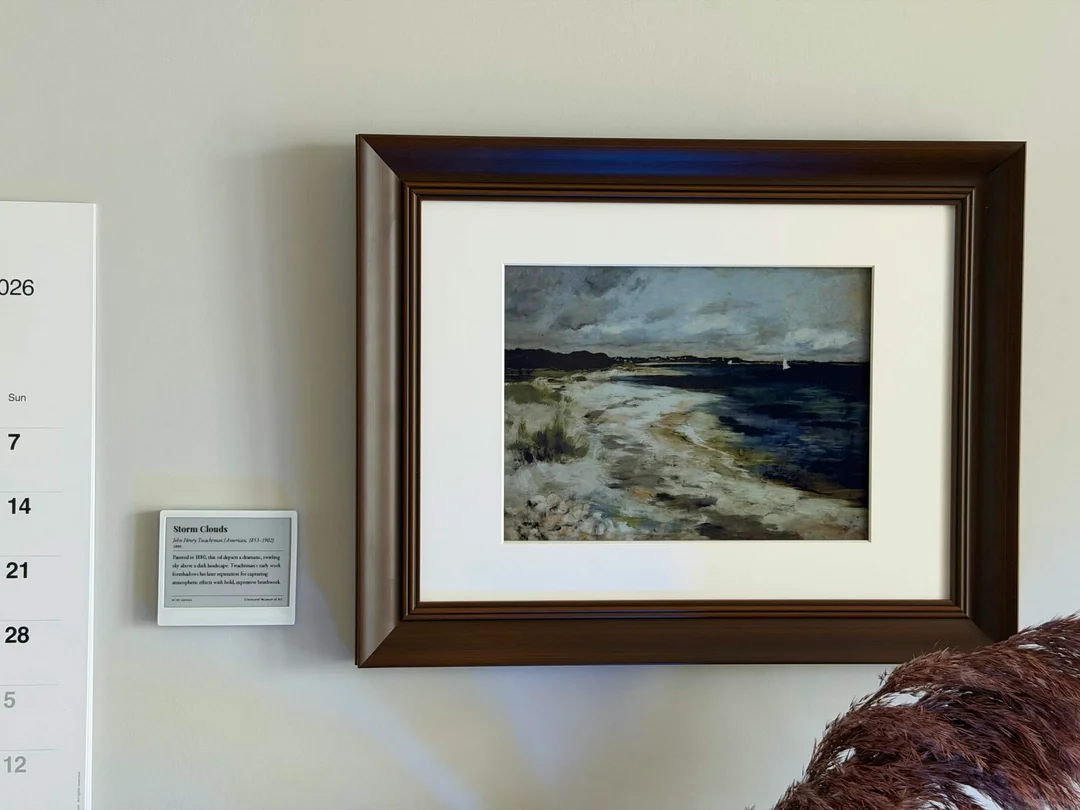
Doug discusses a creative example of a user, known as [@honear], who has added a smaller monochrome e-ink display to their colour e-ink canvas to mimic a museum display, providing information about the artwork being shown. This setup allows for a 'museum at home' experience, with a new artwork and accompanying information displayed twice a day. The user's integration pulls artwork from public-domain museums and generates summaries using AI when necessary.

…
ideas updated 3 min read

Securing Verifiable Credentials for a world of agentic AI

AI summary

The note explores combining Private Access Control Tokens (PACT) with Verifiable Credentials (VCs) to add rate-limiting and anti-fraud protections. Unlike static VCs, PACT credentials are spent with use, proving human-scale activity rather than identity. This hybrid model could help secure credential presentations against bot abuse and agentic AI acting on behalf of users.

…
ideas updated 1 min read

Experimenting with a vibe/aesthetic for the zine

AI summary

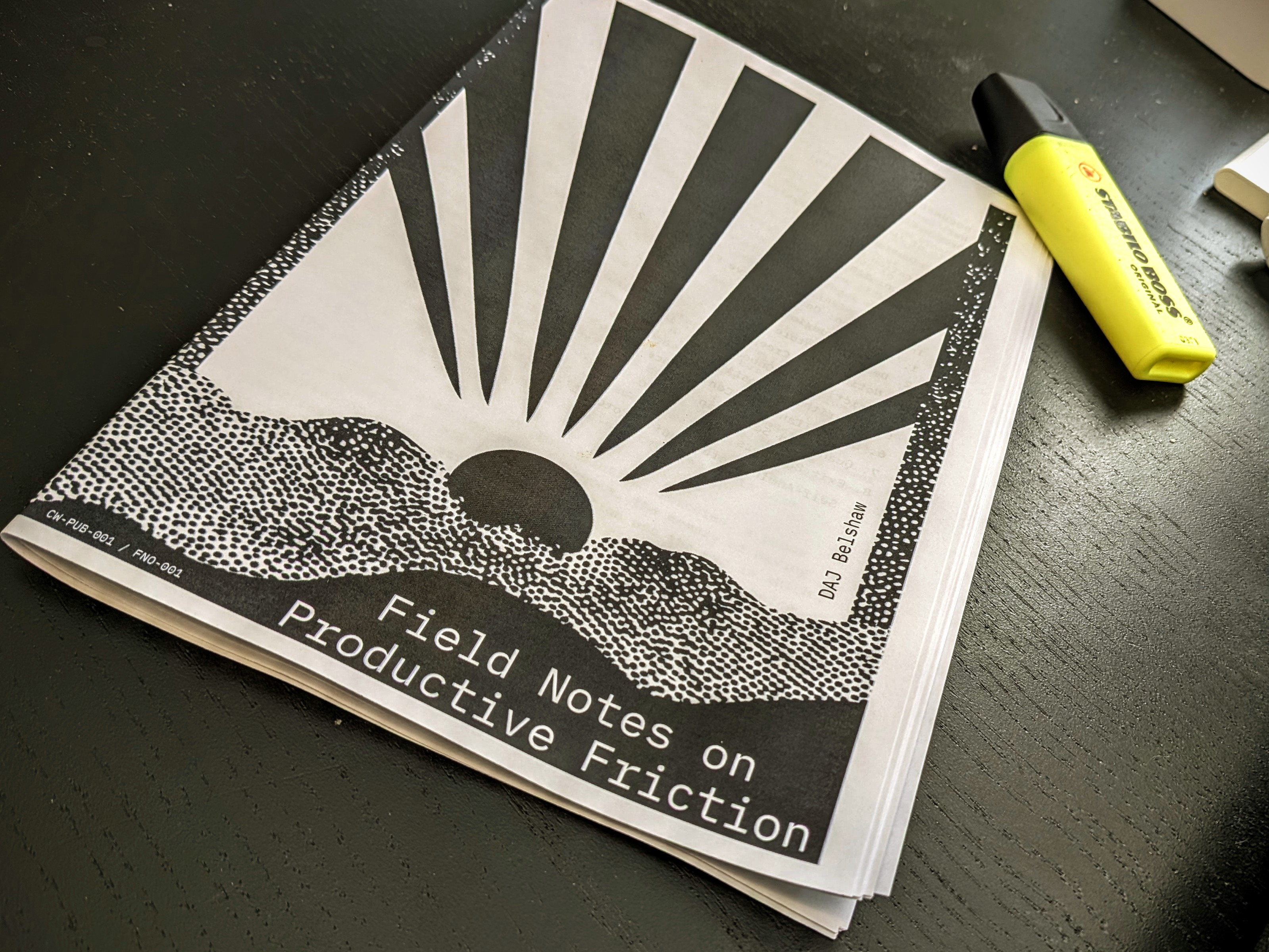
The zine’s text is complete, and the front cover design is being refined in Affinity Studio. Four aesthetic directions are being explored: bureaucratic, glitchy-architectural, textural noise, and anti-productivity, with Midjourney used to zero in on the vibe. Final images may be photographs edited with high contrast and halftone effects.

…
ideas updated 3 min read

Anonymous credentials for the web (no, not those kind)

AI summary

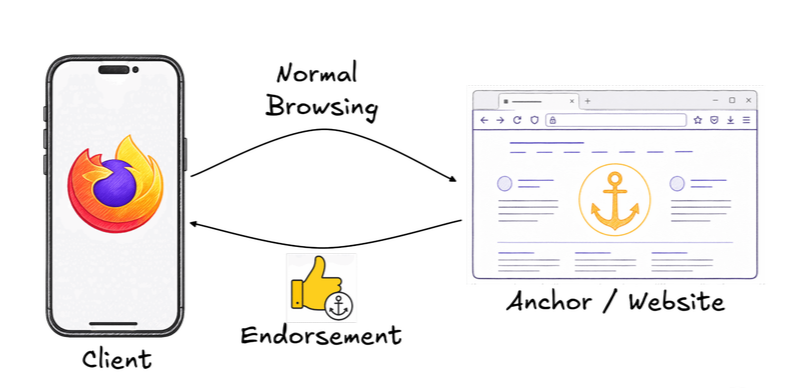
Mozilla's PACT proposal addresses the growing tension between website anti-abuse measures and user privacy by using anonymous "trust stamps" that prove a visitor is legitimate without revealing their identity. The system separates roles into anchors that issue cryptographic endorsements, moderators that turn them into usable tokens, and browsers that present them, preventing tracking across sites. If adopted, PACT could reduce CAPTCHAs and VPN blocks for privacy-conscious users, though governance

…