In early 2027, FIELD STATION is planning to host a Digital Sovereignty Unconference in Newcastle-upon-Tyne. Sign up here for updates and to get involved!
Doug discusses the concept of attention spam, highlighting how those in power exploit short attention spans to evade accountability. He notes that the rapid news cycle and algorithmic feeds enable leaders to outlast negative headlines, with the public too distracted to demand answers.
Doug's weekly News Canary report, compiled by his Little Robot Friend, presents ten global change signal stories from the past week, each from a different continent. The stories blend hard developments like policies and technical releases with soft signals such as cultural shifts, all chosen for their scale, impact, novelty, and future potential. The report is written in British English and maintains a calm, non-hyped style. Key topics include the EU's proposed revisions to its Emissions Trading System, China's global vision for AI governance, and India's move toward AI-specific legislation.
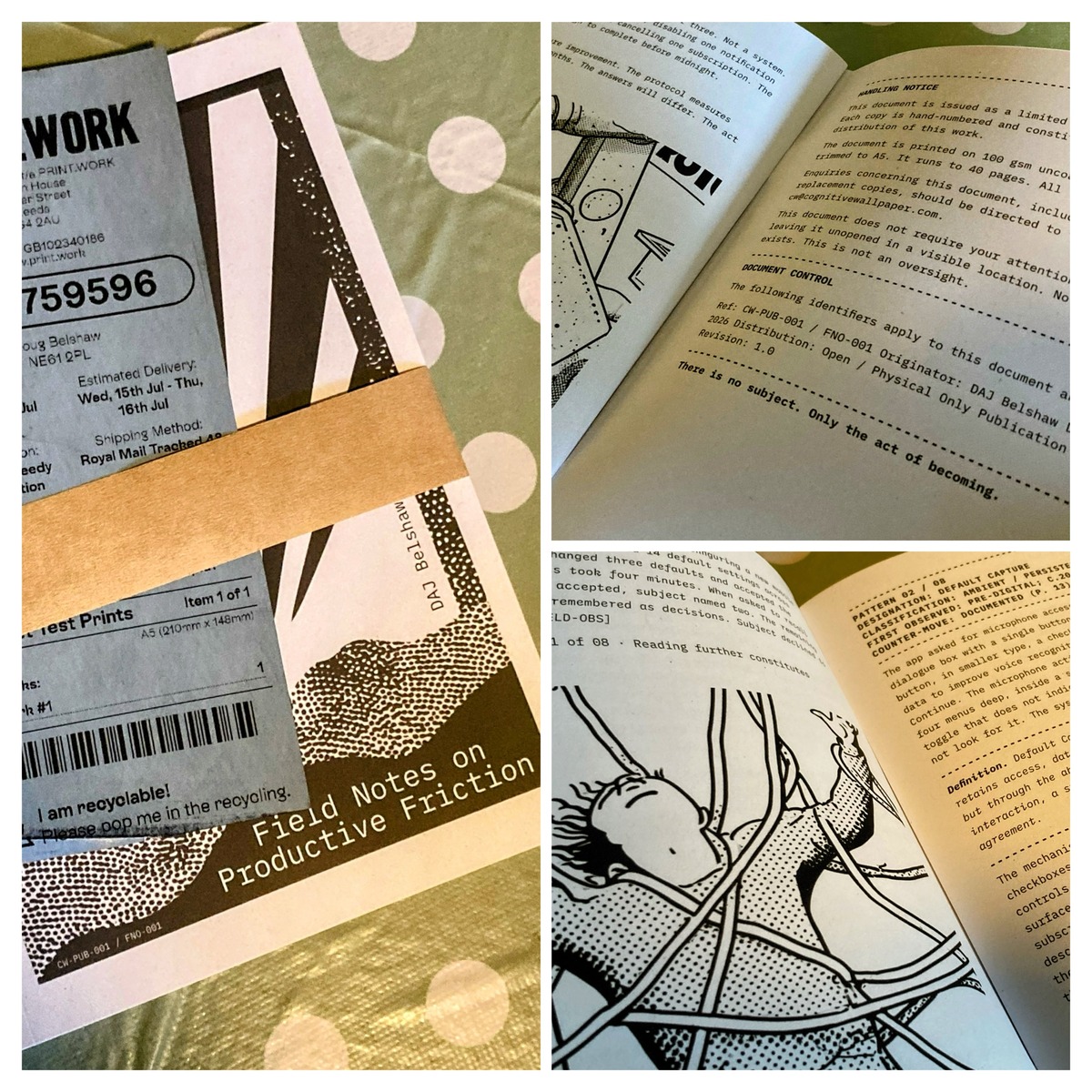
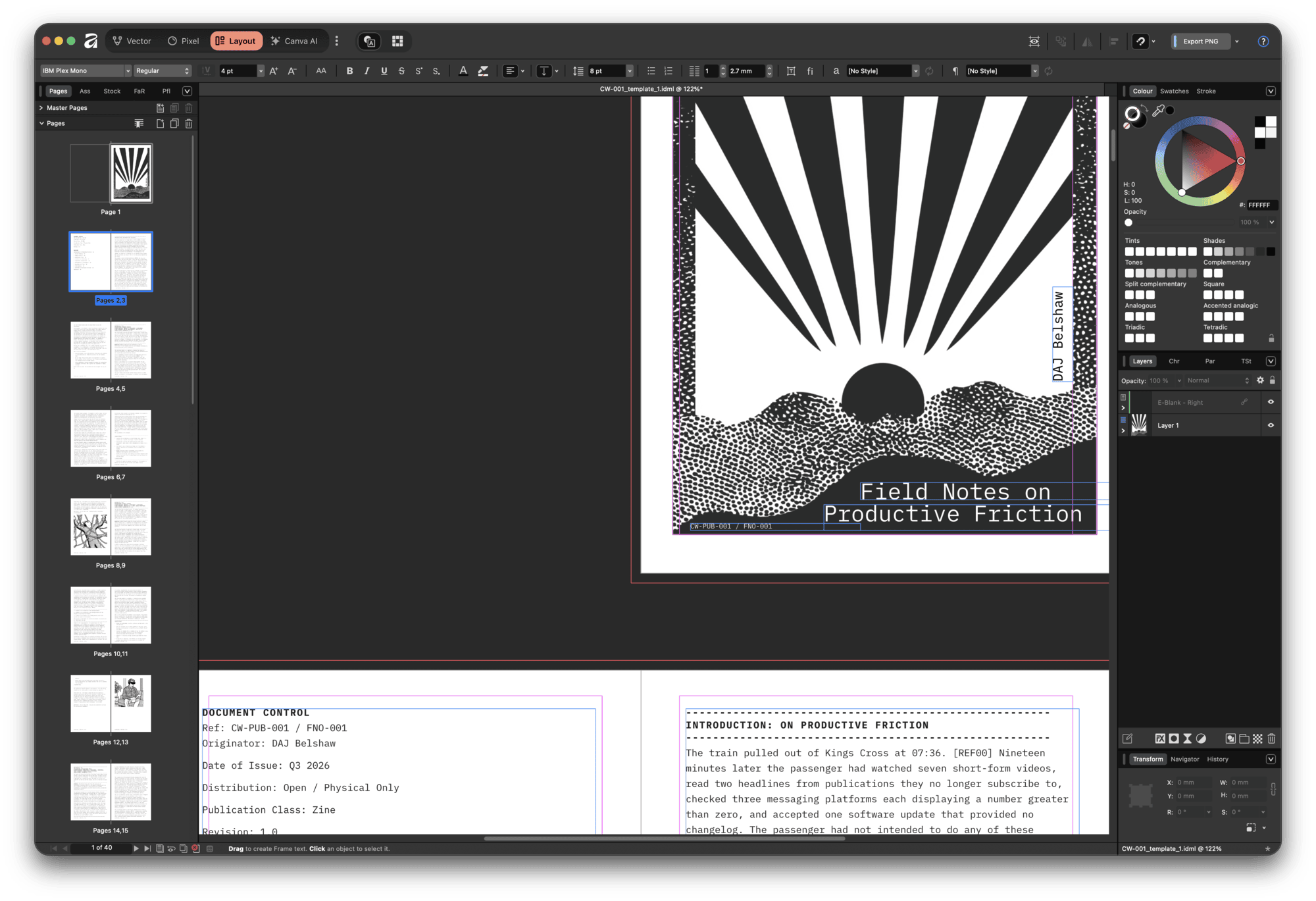
Doug received the test print of his first zine, Field Notes on Productive Friction, after returning from Lisbon. He found the print to be of high quality, with only minor tweaks needed for the final version, and has already sold 27 of the limited 50 copies.
Doug finds the concept of Umuganda, Rwanda's monthly mandatory community service day, appealing, though he is unsure of its practical success or public perception. Established in 2009, it aims to improve cleanliness, foster community involvement, and promote national development, with similar initiatives inspired globally.
Doug is pleased with the EU court's ruling against OpenAI's trademark application for "OPENAI", particularly the finding that the term is purely descriptive and lacks distinctiveness for certain tech-related goods and services. The court agreed with the EUIPO that "open" implies freely accessible and "AI" refers to artificial intelligence products, rejecting OpenAI's arguments for multiple meanings and comparable trademarks in other jurisdictions.
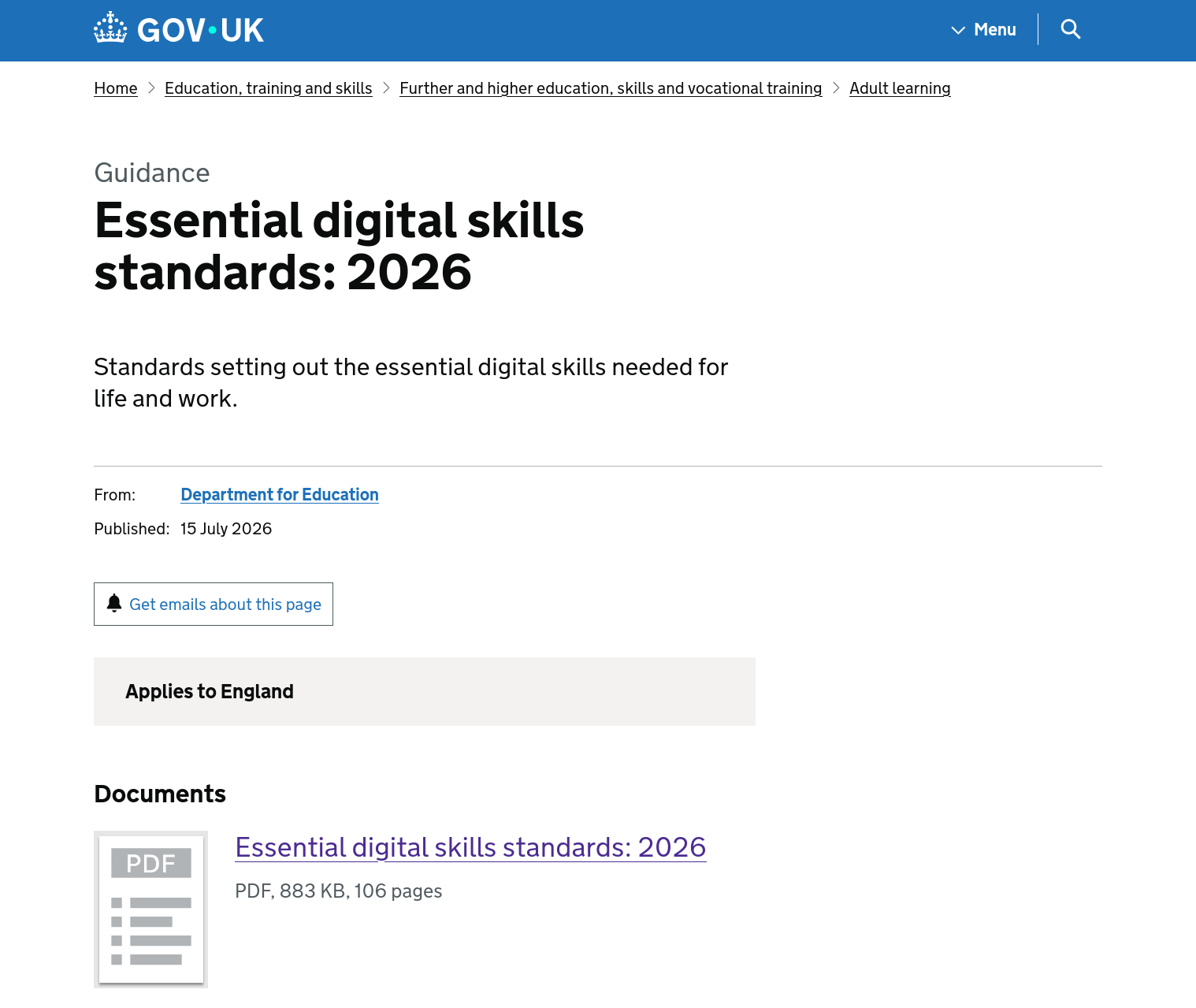
Doug notes that the UK government has published updated essential digital skills standards for 2026, outlining the key digital abilities individuals should possess. The source is available on GOV.UK.
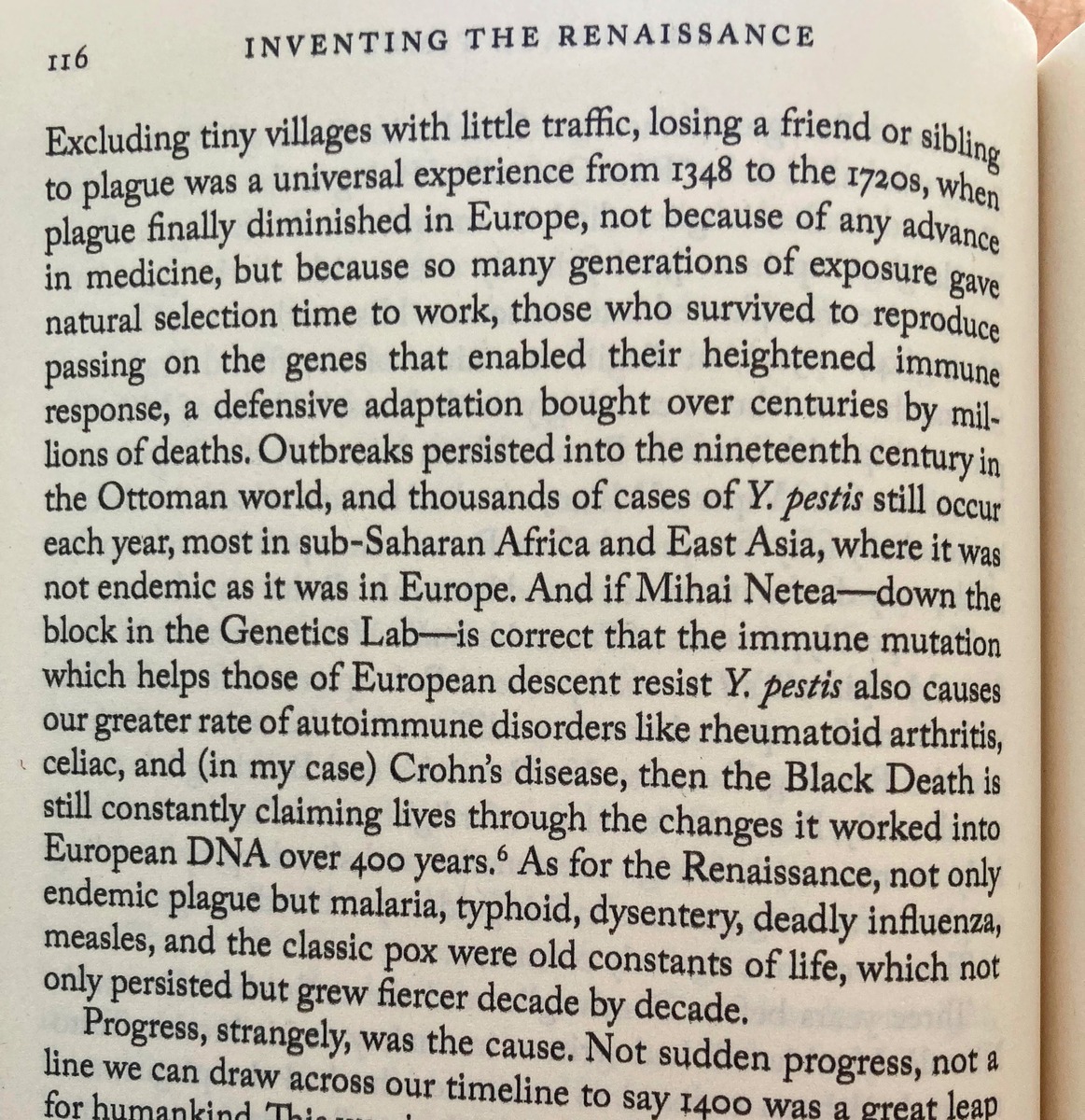
Doug notes that the Black Death's impact on European DNA may have led to increased resistance to Y. pestis but also a higher rate of autoimmune disorders, as suggested by Mihai Netea. He highlights that while plague and other diseases were constant threats during the Renaissance, their effects on modern health are still being felt.
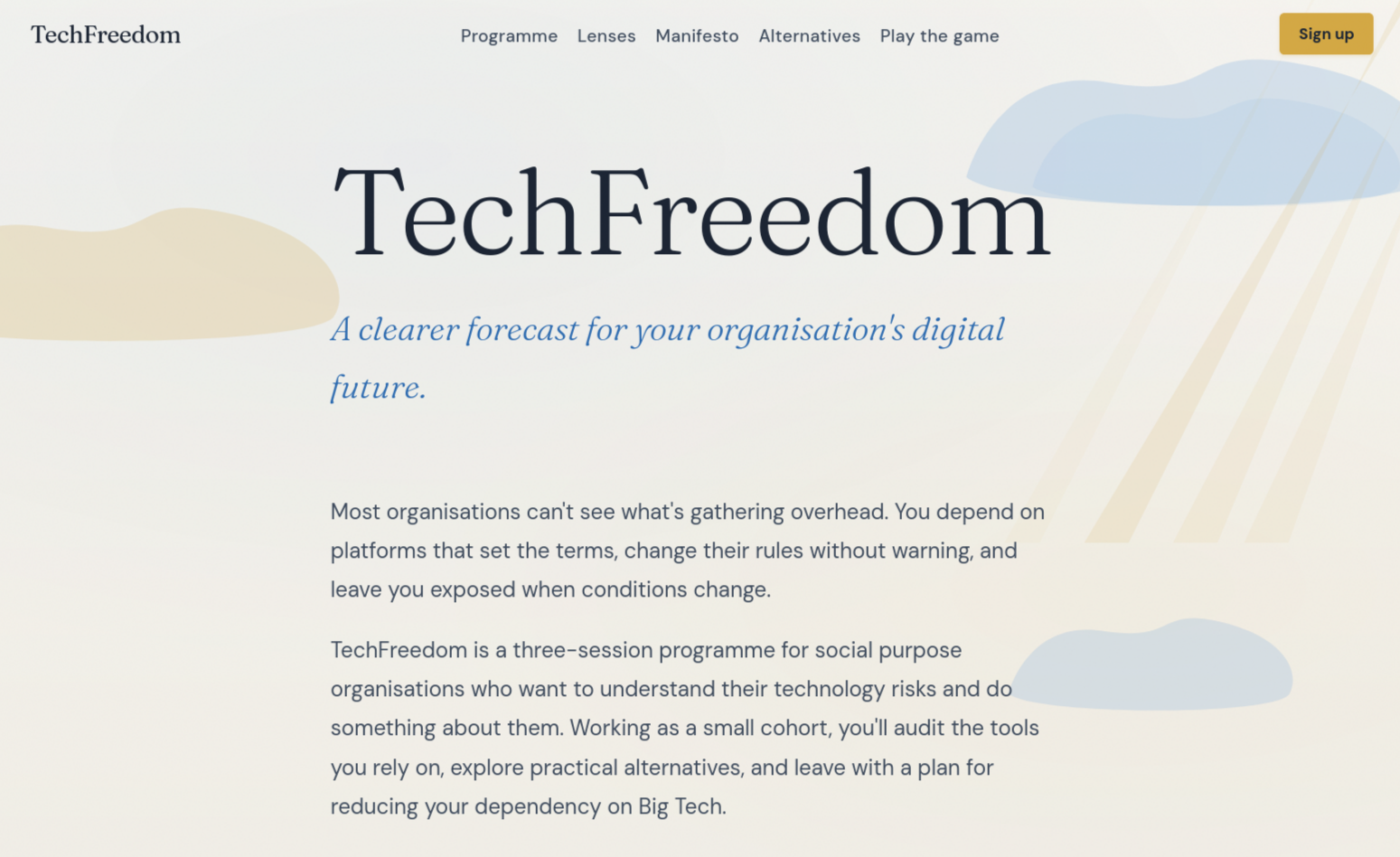
Doug announces that TechFreedom, now a project of FIELD STATION, is open for signups for its September cohort. The three-session programme, priced at £450, helps social purpose organisations assess technology dependencies and build strategic roadmaps, with sessions on 16 September, 30 September, and 14 October 2026. A free taster session is also available in early September.
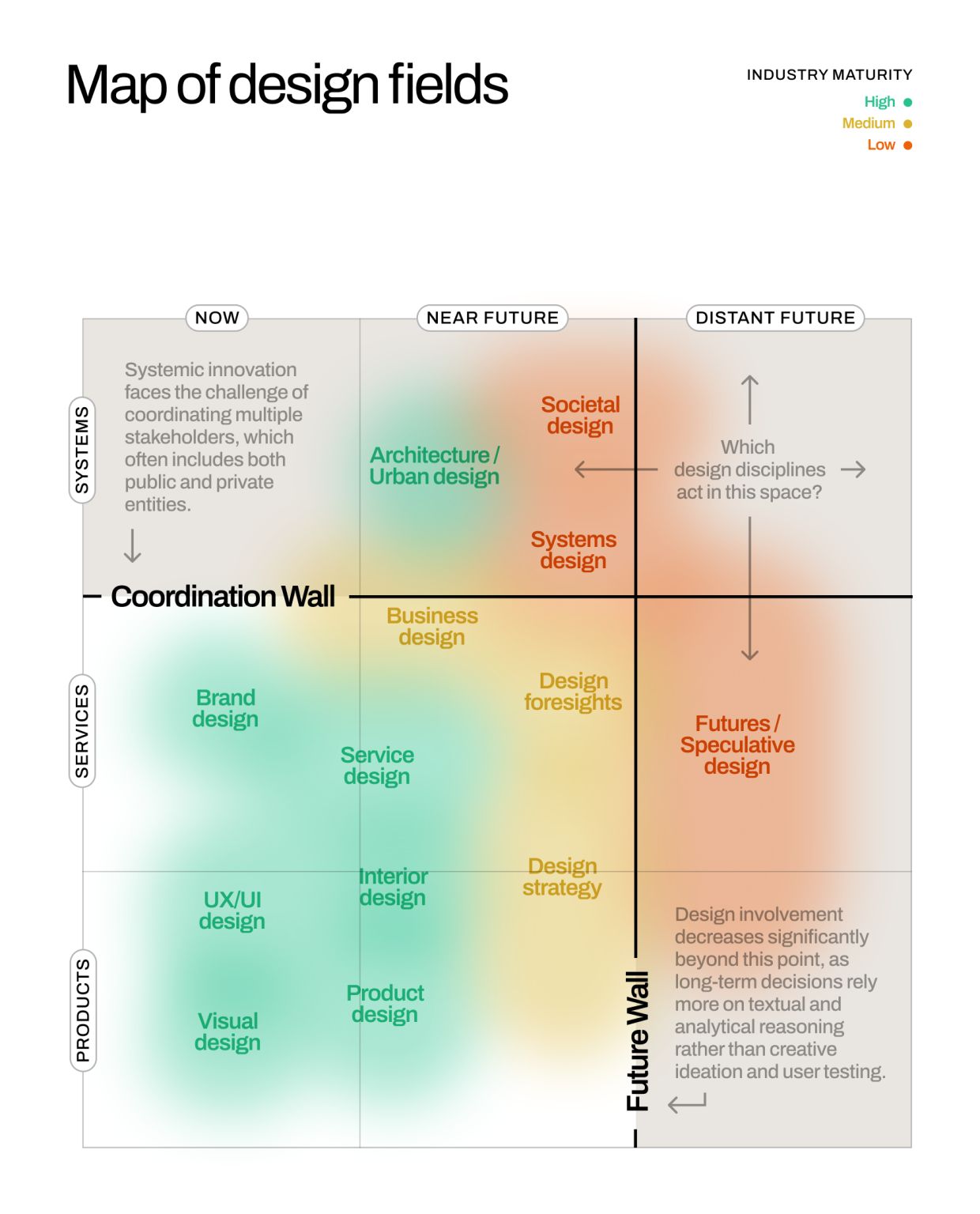
Doug found a map positioning design fields by time and scale, highlighting his interest in Systems Design. The image, sourced from an unknown origin via Are.na, shows a spectrum from product-focused fields to systems/futures fields, illustrating Doug's focus on the future and coordination.
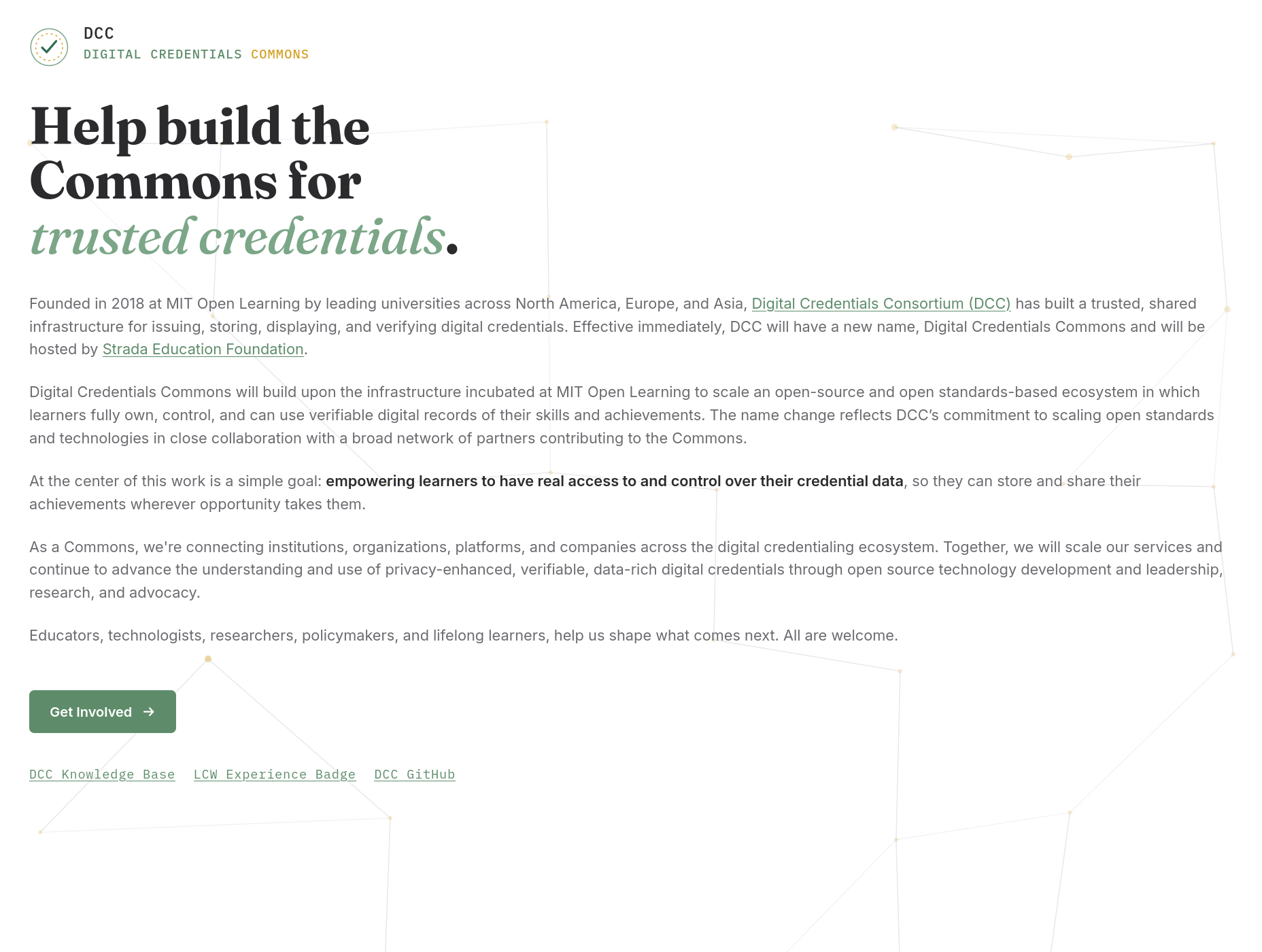
Doug highlights that the Digital Credentials Consortium (DCC), previously hosted by MIT Open Learning, has moved to the Strada Education Foundation and been renamed the Digital Credentials Commons. He notes that the shift, supported by a $2 million grant from Walmart, will focus more on learners and earners, with Kerri Lemoie continuing as Executive Director.
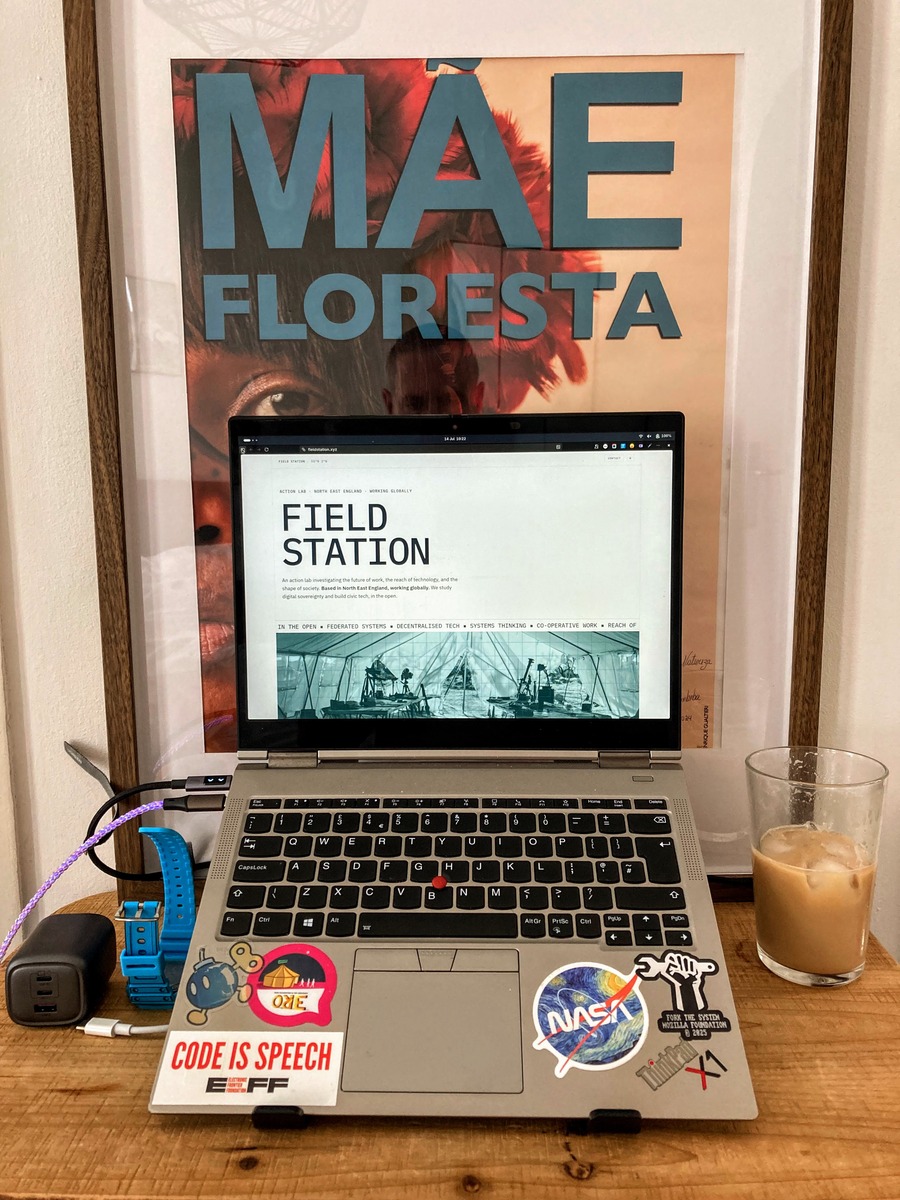
Doug is using a slim laptop stand in Lisbon to elevate his laptop while working indoors near the air conditioner. The stand features some artwork, but the eye depicted in it is somewhat unsettling for him.
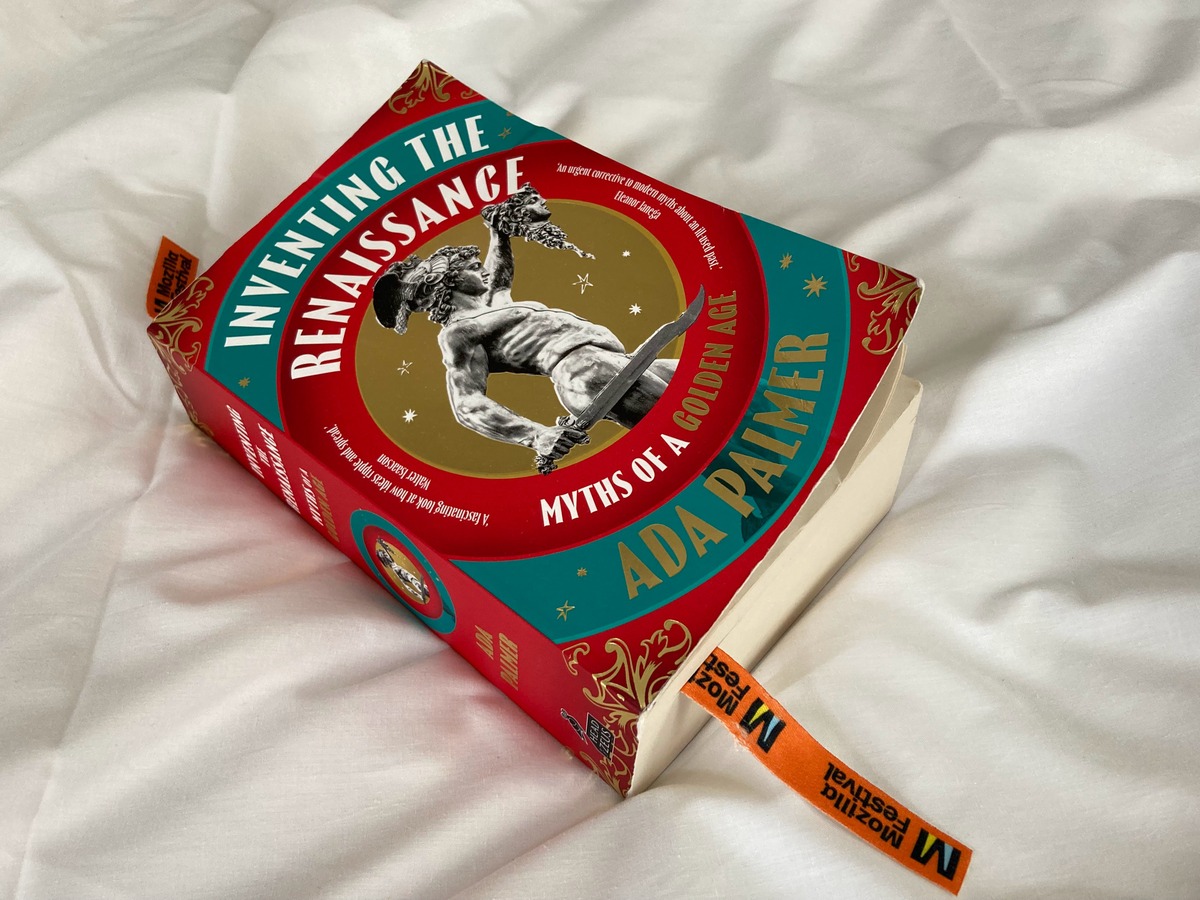
Doug has set a goal to read Inventing the Renaissance by Ada Palmer this week, describing it as magnificent and engaging, despite being around 100 pages in. The book offers a fresh perspective on the Renaissance, blending deep academic knowledge with storytelling flair.
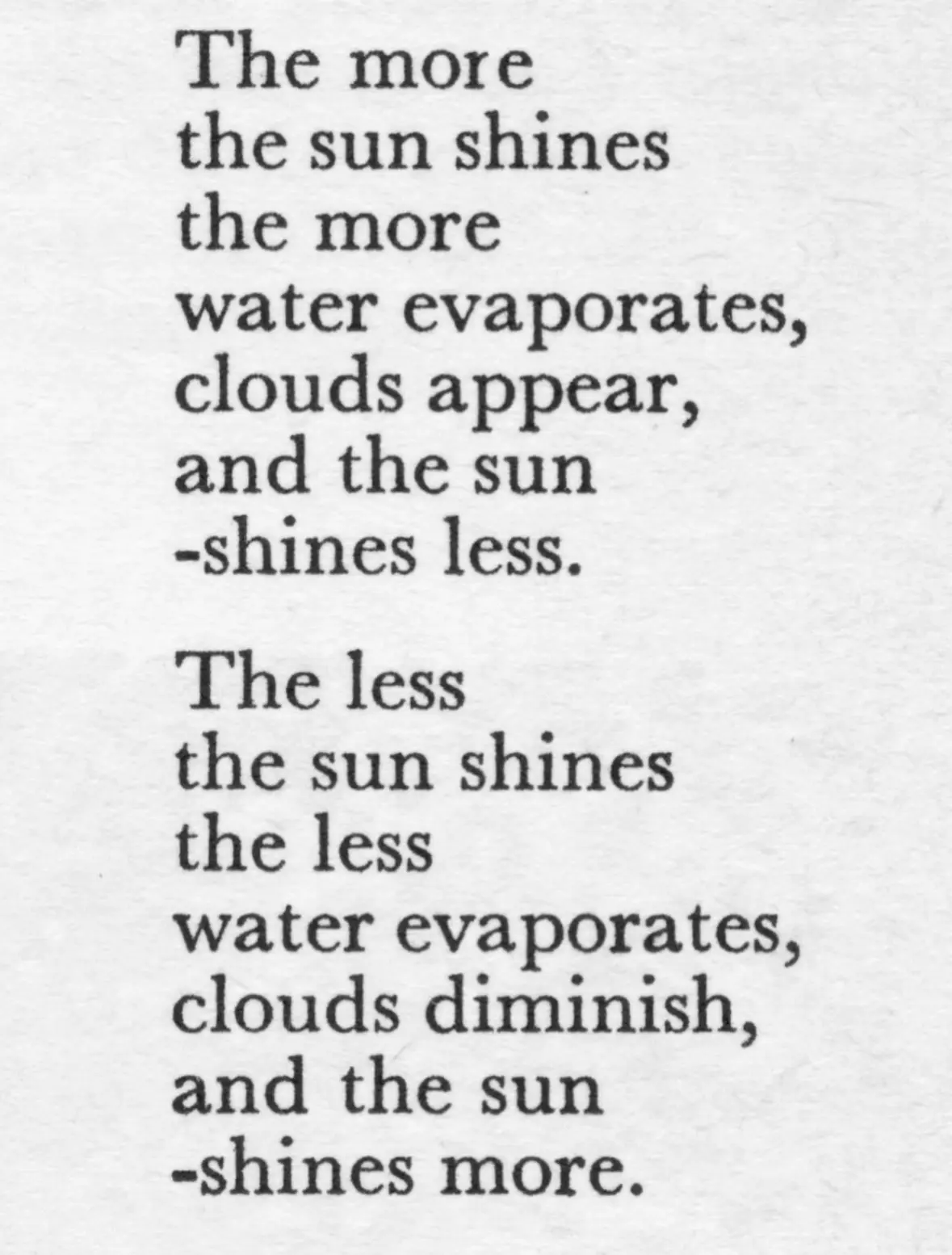
Doug explores the concept of harmony and balance, drawing from Joseph Albers' Plus = Minus and the idea of eudaimonia. He reflects on this from a balcony in Lisbon, overlooking the Tagus.
Doug and his son are working from Lisbon while his wife and daughter are at the World Youth Cup 2026 in Gothenberg. They plan to explore the city in the afternoons, with Doug doing some work in the mornings until Friday.
Doug's weekly News Canary report from his Little Robot Friend compiles ten global change signal stories, blending hard developments and soft signals. This week's edition covers Iran's mourning for Khamenei, the IMF's revised global growth forecast, the USMCA review, South Africa's digital state plans, Australia's climate reporting expansion, Europe's air quality improvements, Red Sea coral reef protection, Latin America's election cycle, natural hydrogen exploration, and New Zealand's privacy law amendments. Doug's selections are guided by criteria such as scale, impact, and novelty, presented in a calm, non-hyped style with British English.
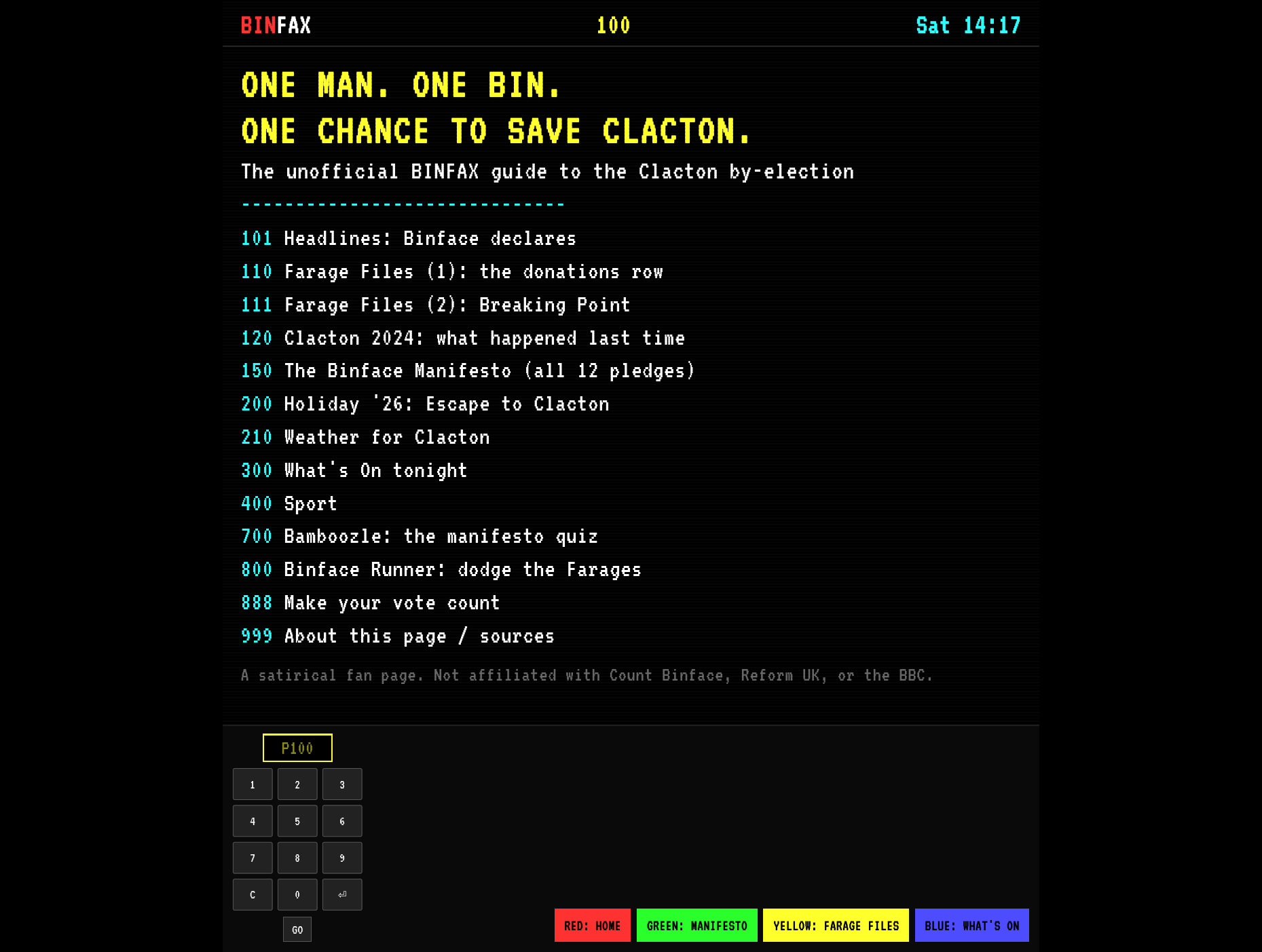
Doug highlights Sarah Drummond's creation of BINFAX 100, a tool supporting Count Binface's campaign. He notes that Binface, a comedic figure, could disrupt Nigel Farage's political ambitions, as suggested by comedian Stewart Lee.
Doug notes that the European Commission has preliminarily found Meta in breach of the Digital Services Act for the addictive design of Instagram and Facebook, which can shift users' brains into 'autopilot mode', fostering unhealthy habits and compulsive use. He expresses hope that this investigation may lead to meaningful regulation, as it is easier to regulate social media than social infrastructure like WhatsApp. The Commission suggests that Meta should implement design changes to mitigate these risks.
It’s very difficult to be very lazy. It takes a lot of imagination to do nothing and you have to be sufficiently self-confident not to have a bad conscience. You have to have a taste for life, so that every minute is complete in itself and so you don’t have to keep saying ‘I’ve done this or that.’ You need strong nerves to do nothing. Being lazy also means that other people’s opinions don’t matter. Nor does the idea of always having to prove yourself.
Doug summarises a detailed guide by Nīkau on transitioning organisations away from big tech platforms, emphasising sovereignty and a holistic approach over mere migration. He notes its technical focus and relevance to his work with FIELD STATION and TechFreedom, highlighting the importance of user engagement and careful planning in the process.
Doug highlights a buried Apple feature designed for cognitive disabilities, which he found also transforms an iPhone into an ideal dumb phone for kids. The article, sourced from WIRED, discusses this underutilised setup that even Apple hasn't prominently promoted.
Doug has sent his first zine, Field Notes on Productive Friction, to the printer for a sample copy. The zine, with only 23 out of 50 copies remaining, will not have a digital version.
Doug critiques Rose Horowitch's The Atlantic article, arguing that it oversimplifies the 'end of reading' narrative. He contends that the piece ignores broader societal factors, such as Big Tech and capitalism, and instead blames individuals for changing reading habits. Doug also highlights the author's moralistic stance and lack of substantial evidence, quoting David Hume's is-ought problem to illustrate the logical fallacy.