In early 2027, FIELD STATION is planning to host a Digital Sovereignty Unconference in Newcastle-upon-Tyne. Sign up here for updates and to get involved!
I've enabled comments here on Substrate. Given that I haven't told many people this space exists – and the dearth of comments I've received in the last decade – I'm not expecting much. But that's not to say I don't want and encourage them!
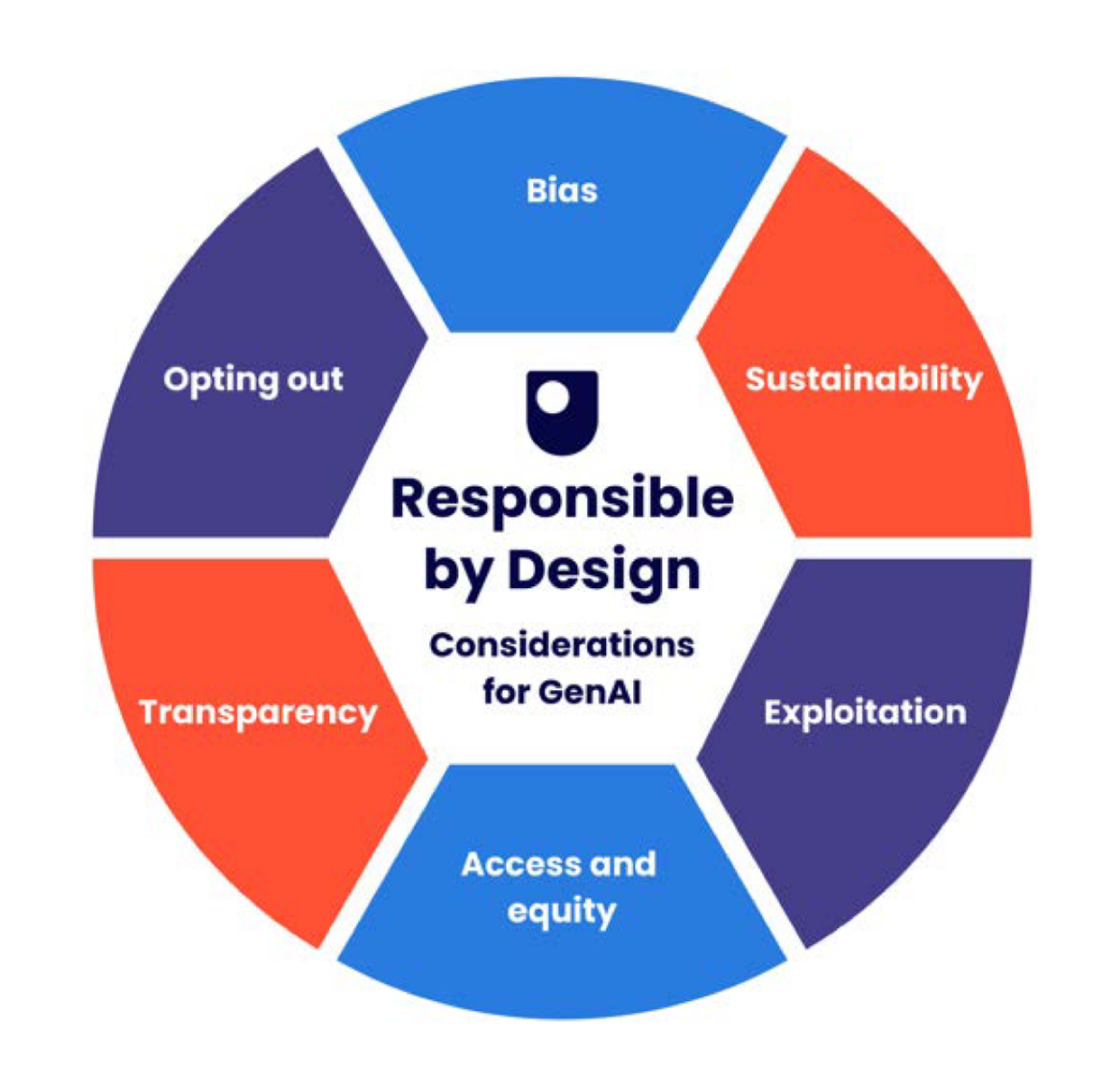
The Open University’s Responsible by Design framework (v2) addresses ethical challenges of generative AI in education through six pillars: Bias, Sustainability, Exploitation, Access and Equity, Transparency, and Opting Out. It provides reflective prompts and actionable solutions to help educators make informed, responsible AI choices. The note expresses skepticism about whether the framework will have significant practical impact.
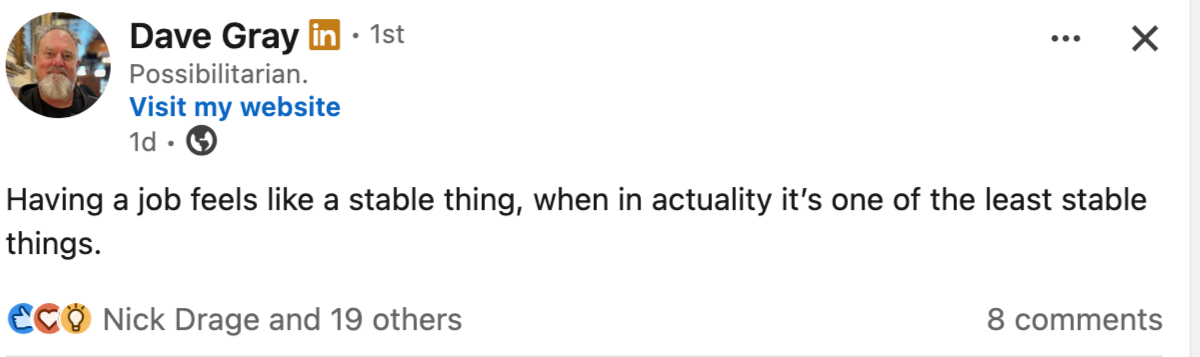
Dave Gray argues that having a job only feels stable but is in fact one of the least stable arrangements. The note agrees, pointing out that the risk of self-employment is visible, while the risk of a job is hidden.
LLMs require tacit knowledge and domain expertise to produce useful results, as domain experts can verify correctness even if they can't code, while generalist engineers can build but lack the "ground truth" to judge domain-specific outputs. The binding constraint has shifted from building to verifying what is correct.
Terminus is a dark retro theme for the Zola static site generator, hosted on GitHub by ebkalderon. The note points to the repository and its inclusion in an Are.na collection focused on a field station aesthetic.
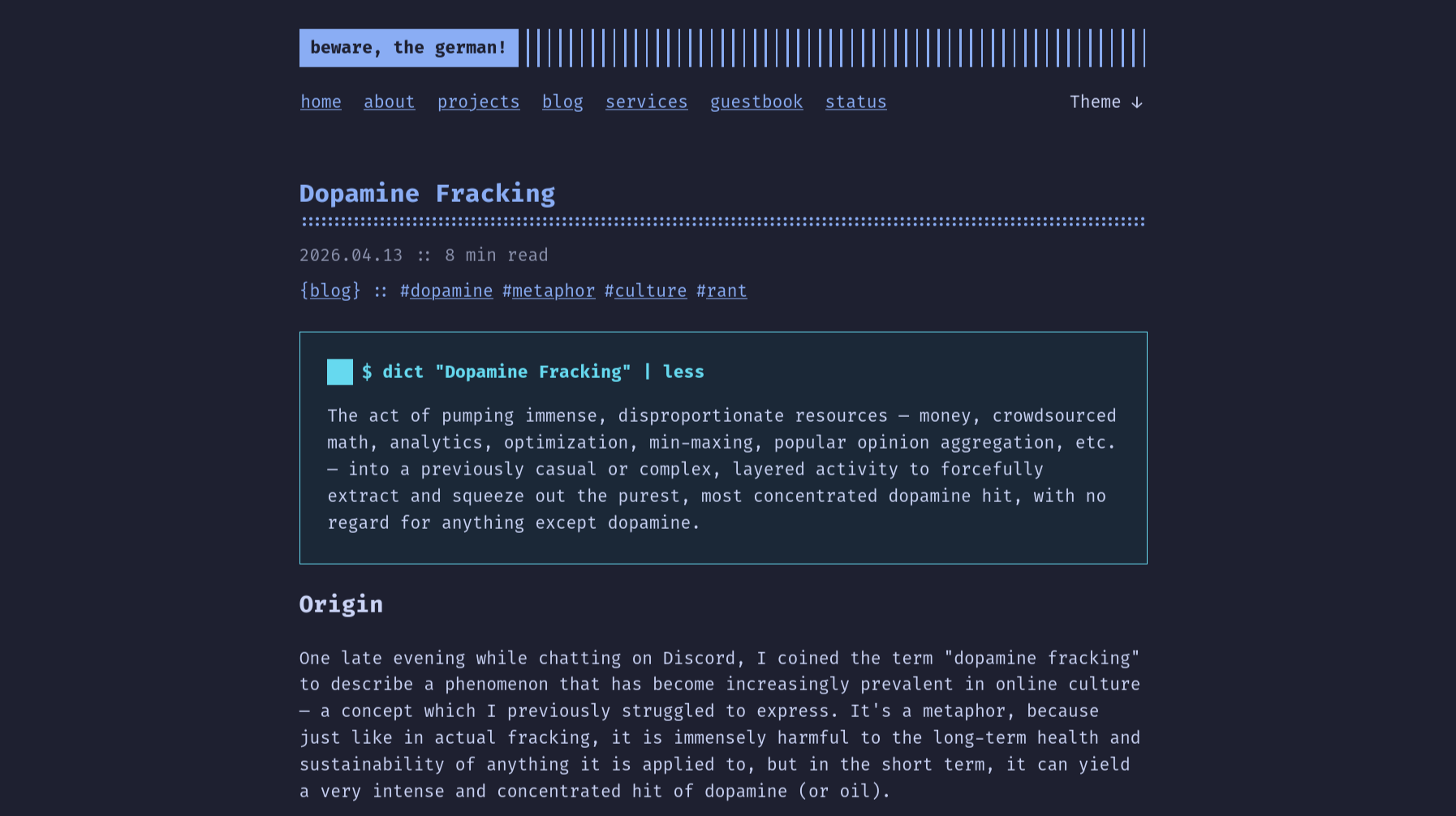
The note explores the concept of "dopamine fracking" as a metaphor for online culture that prioritizes addictive dopamine hits over complexity, nuance, and beauty. The author describes how this leads to homogenized, commodified culture and shares their personal practice of reducing such stimuli by deleting channels, uninstalling apps, and setting boundaries.
This is very cool. It makes me sad that I can't run much any more. The website, only currently available in Polish, but easily translatable via browser tools, is here: runart.pl
The note argues that AI agents may reduce corporate profits by eliminating inefficiencies that companies currently exploit, such as customer inertia and lack of optimization. However, it counters that human irrationality and stock market behavior make this outcome uncertain, as seen in past recoveries from tech stock crashes.
The note describes Bo Burnham's work as a genius mix of comedy, storytelling, revelation, and music, comparing a new video favorably to his pandemic-era special Inside. The author was impressed by Burnham's creativity in both pieces.
The Tour Triangle skyscraper in Paris, which was long debated, has finally reached its full height. The building features a sharply tapered, geometric profile.
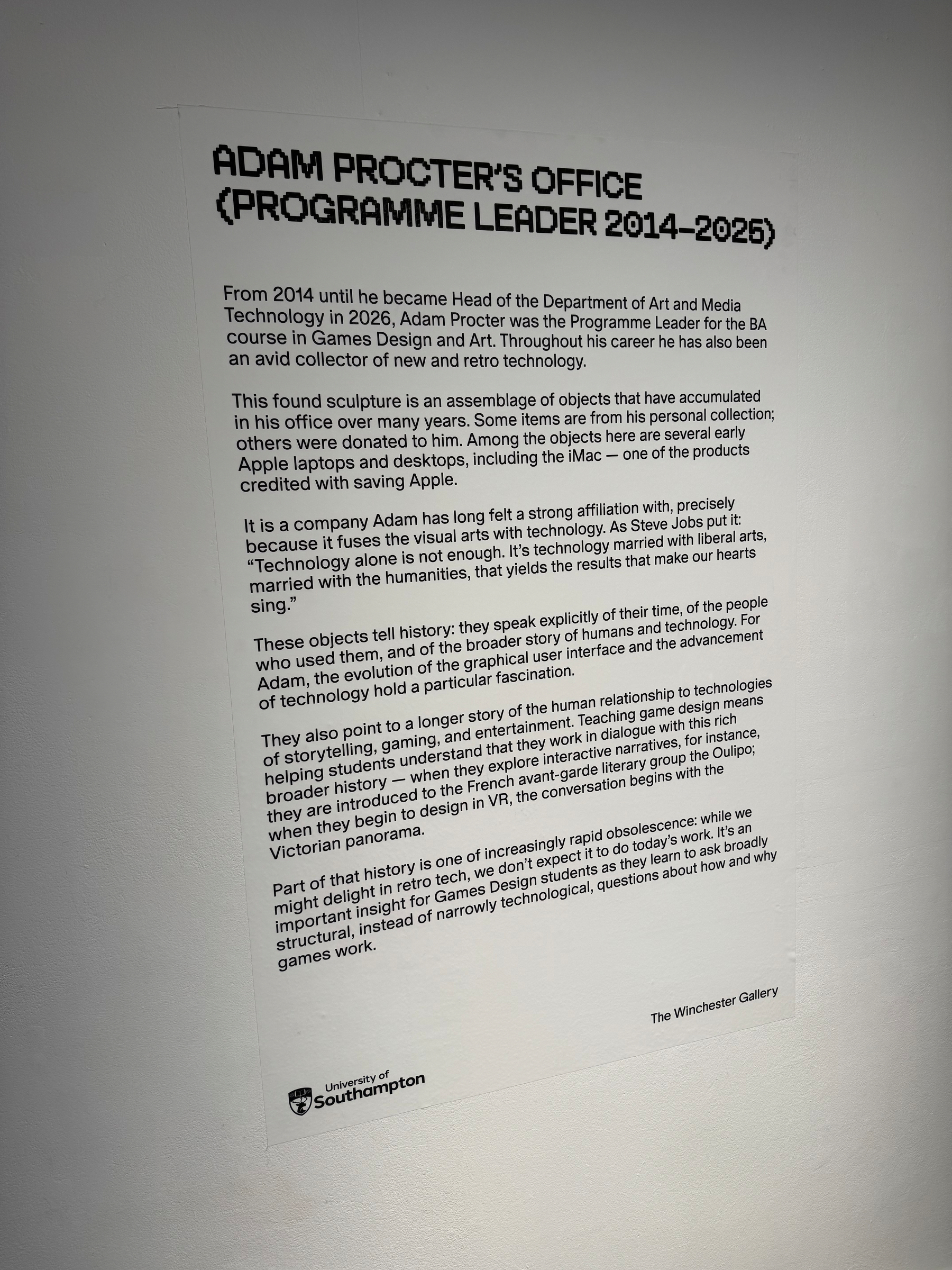
Adam Procter's artworks and games are being exhibited as part of "Changing the Game: Ten Years of Play at WSA" at Winchester School of Art. The note's author views this as a life goal and a motivation to create work deserving of such recognition.
The author reflects on using mindmaps for past projects and estimates their zine will be about 6,800 words. They decide to follow Warren Ellis's advice to create a deliberately bad first draft to stop overthinking.
Rebecca Newberger Goldstein defines mattering as being deserving of attention, particularly self-attention, which makes humans normative, value-seeking creatures. She proposes four empirical categories of "mattering projects": socializers, transcenders, heroic strivers, and competitive matterers. Goldstein closes with the normative claim that the very desire to matter demonstrates that we already do, so any project based on denying others' worth is mistaken.
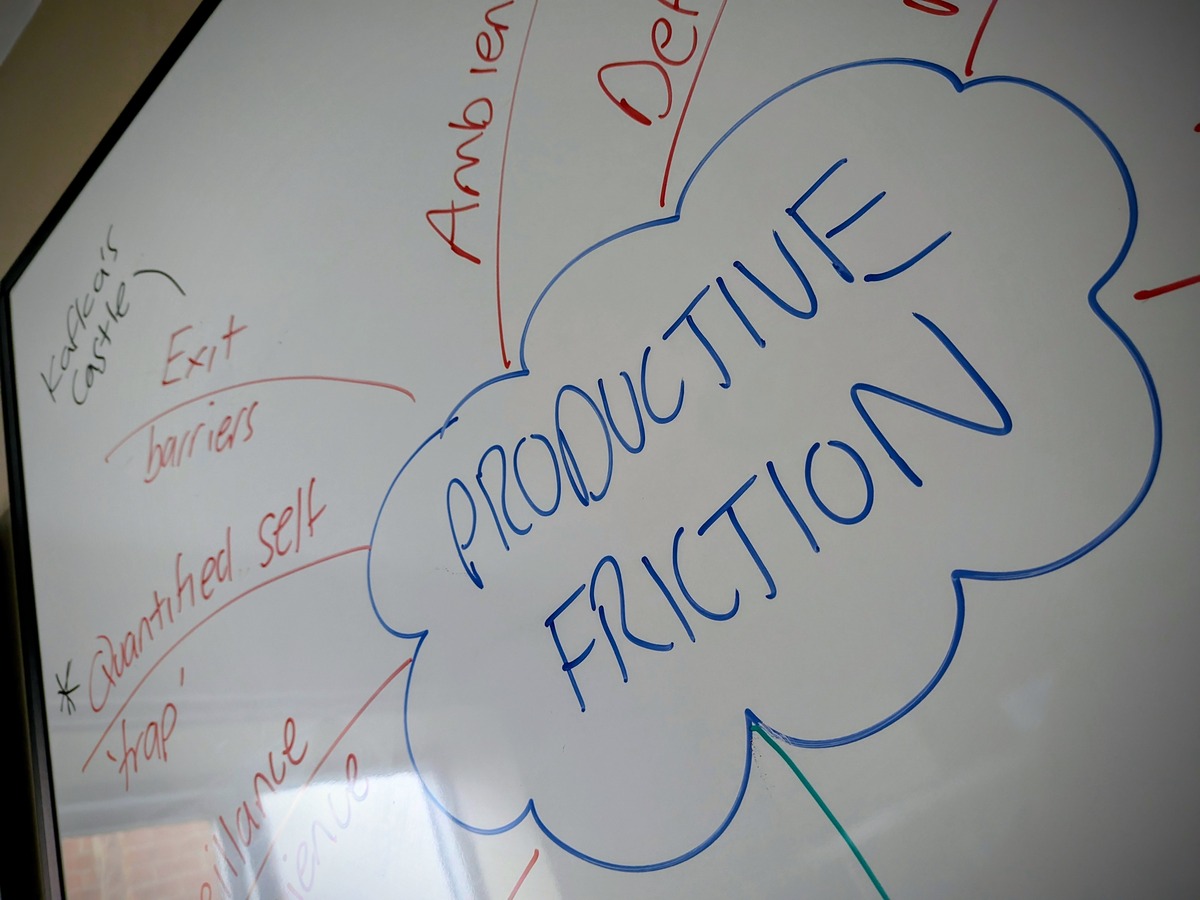
Ky Decker has written a really interesting post about quitting his tech job. Yes, the proximal cause is AI, but once you get past that, there some interesting points on productive friction, values, and burnout.
No matter how rapidly technology changes, I am coalescing around some core beliefs:
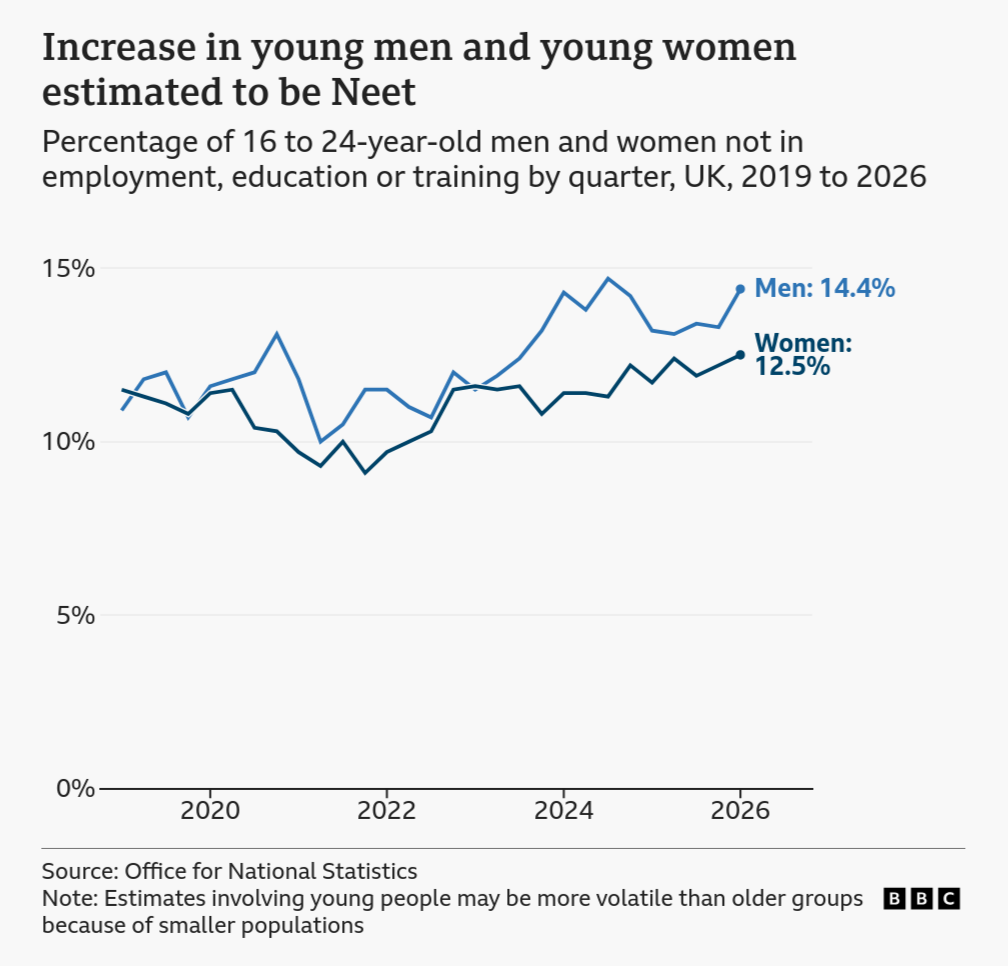
The note reports that 13.5% of young people are NEET (Not in Education, Employment, or Training), with a sharp decline in entry-level jobs and hospitality vacancies halving in four years. Since the pandemic, NEET rates for men aged 16-24 have risen 40% versus 7% for women, contributing to feelings of worthlessness and attraction to far-right online influences.
Default bias describes the tendency to stick with pre-set options due to friction, loss aversion, implied endorsement, and cognitive cost. This effect dramatically shapes outcomes in areas like organ donation, retirement savings, and privacy settings. The article distinguishes between endogenous defaults (system-set) and exogenous defaults (social or situational norms).
A manager used an AI assistant to mediate workplace communication, forcing the author to front-run his own comments to avoid being misrepresented by the AI. The author argues that LLMs mimic thinking without authentic expertise, and their inability to distinguish worthwhile difficulty from unnecessary friction risks devaluing deep thought and human dignity.
This note presents Rachel Botsman’s argument for embodied, firsthand experience over abstract machine logic, drawing on a personal visit to Charles Darwin’s house. It contrasts reflective learning through curiosity and play with productivity-driven or performative motives, and warns against relying solely on the internet or LLMs for understanding.
Drew Austin's "Be Kind to Your Local NPCs" argues that people often misidentified as non-player characters in everyday life are actually fighting the same battles as you. The note encourages empathy and recognizing the shared humanity in others.
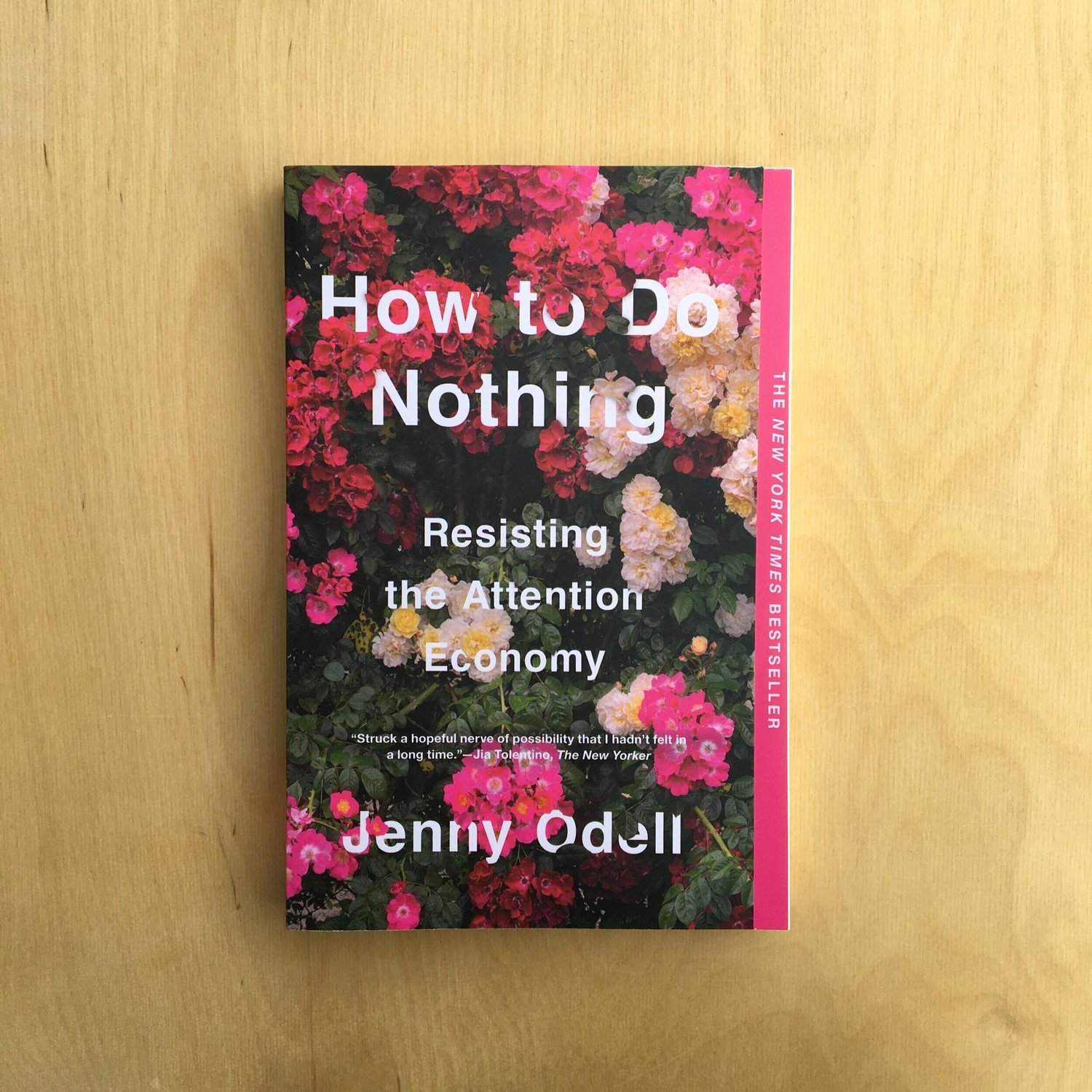
The note collects highlights from Jenny Odell's "How to Do Nothing," focusing on resisting the attention economy by withdrawing attention from productivity-driven frameworks and reinvesting it in the physical, public realm. Odell argues that this practice is anticapitalist, environmental, and historical, ultimately aiming to reclaim a sense of self not defined by algorithm or economic value.
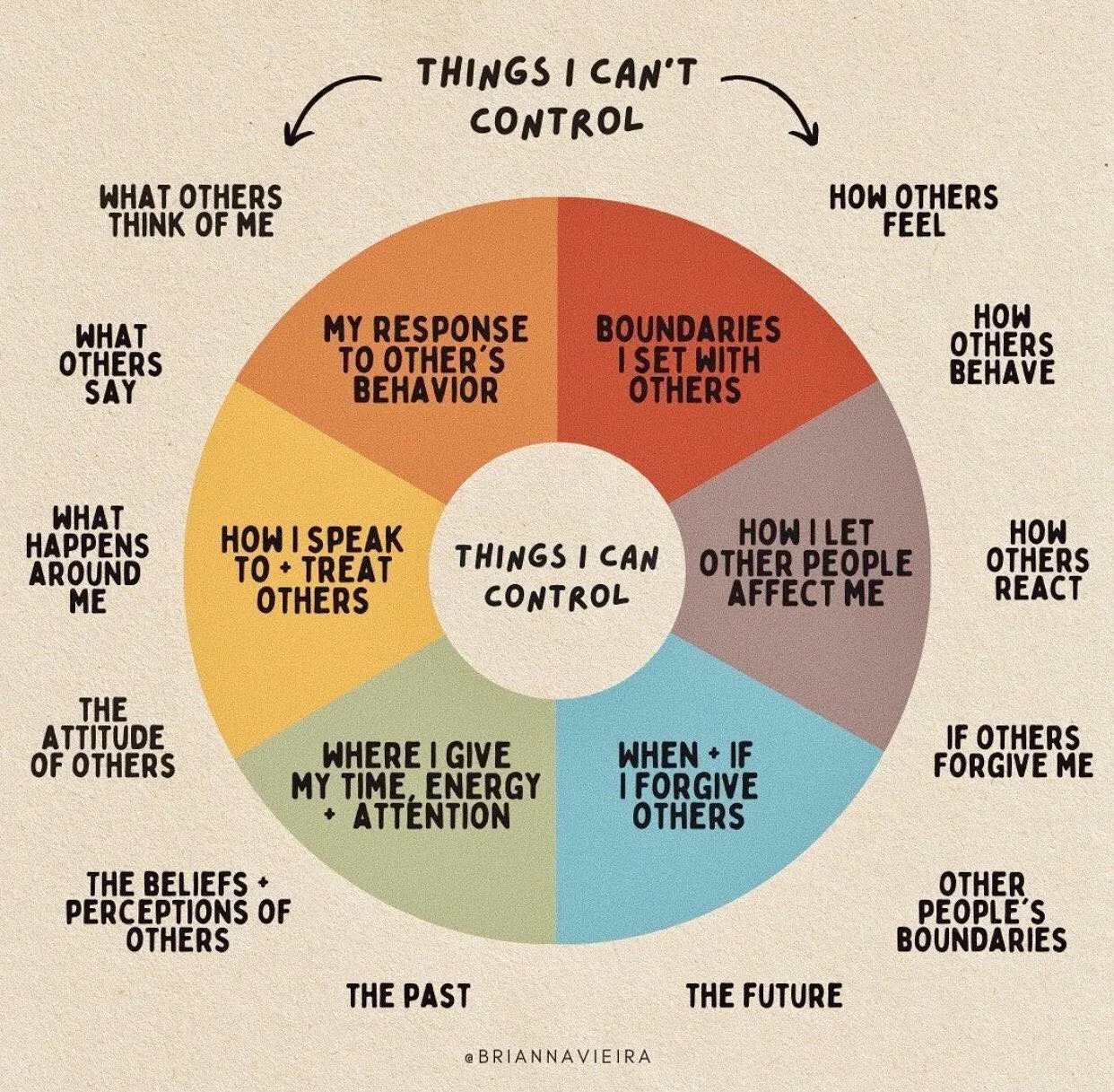
The note presents Epictetus's distinction between things within our control—such as opinions, desires, and actions—and things outside it, like body, property, and reputation. It includes a color wheel visualizing this concept and links to an Are.na block for further reference.
This note reflects on Paul Graham’s 2008 essay comparing working for oneself to a wild animal’s freedom versus a zoo, and the author strongly agrees with the dislike of having a boss. Graham argues that large organizations create hierarchical “tree structures” of bosses that limit individual freedom, and that working in small groups or solo is more in line with human nature.
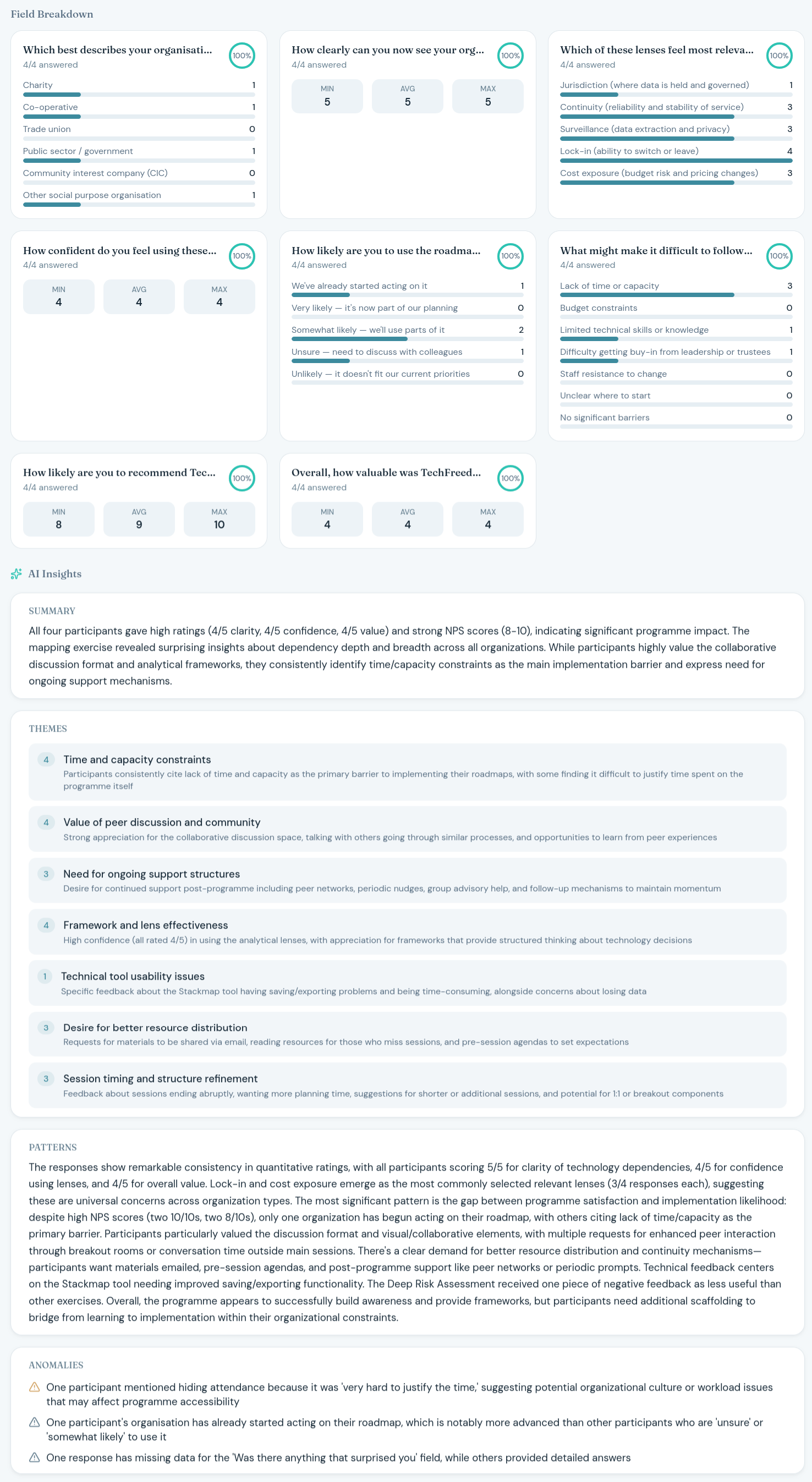
The pilot cohort provided consistently high ratings for clarity of dependencies (5/5) and moderate scores for confidence and value (4/5), with lock-in and cost exposure identified as universal concerns. Despite high NPS scores, only one participant began implementing their roadmap, citing lack of time or capacity as the primary barrier, while feedback requested enhanced peer interaction, better resource distribution, and improved Stackmap functionality.