
Embodied cognition
This from Rachel Botsman, which I came across via OLDaily, is an object lesson in warm, fuzzy human experience and thinking over cold, clinical machine logic.
When, as an adult, you’re told to reflect on your childhood, you’re often asked to think about your interests. How did you become a consultant, which is so removed from your love of climbing and rocks? What triggered your interest in becoming a doctor? No one ever asks: when did you feel the most alive or playful? When were you most excited at school? Or even better: when did you feel curious and joyful with your learning?
On the way home, I felt so good–a sense of calm that even the horrendous traffic almost couldn’t touch. I didn’t journey to Darwin’s house consciously looking for a missing piece. I didn’t intentionally go to find a new way to work, but I found them both, all the same.
With the internet and Large Language Models (LLMs) at our disposal, it can be easy to trick yourself into thinking that you can learn everything you need to know about a subject without ever having a firsthand experience of the thing itself. So I say, give yourself permission to take your own field trip sometime soon.
Don’t do it because you want to go back and show something. That’s still the productivity culprit. Don’t do it just to take a picture to post to prove you’ve been there. That’s the performance culprit. Do it with an openness and curiosity to learn or soak up something you didn’t even know you were missing.
Source: Rethink
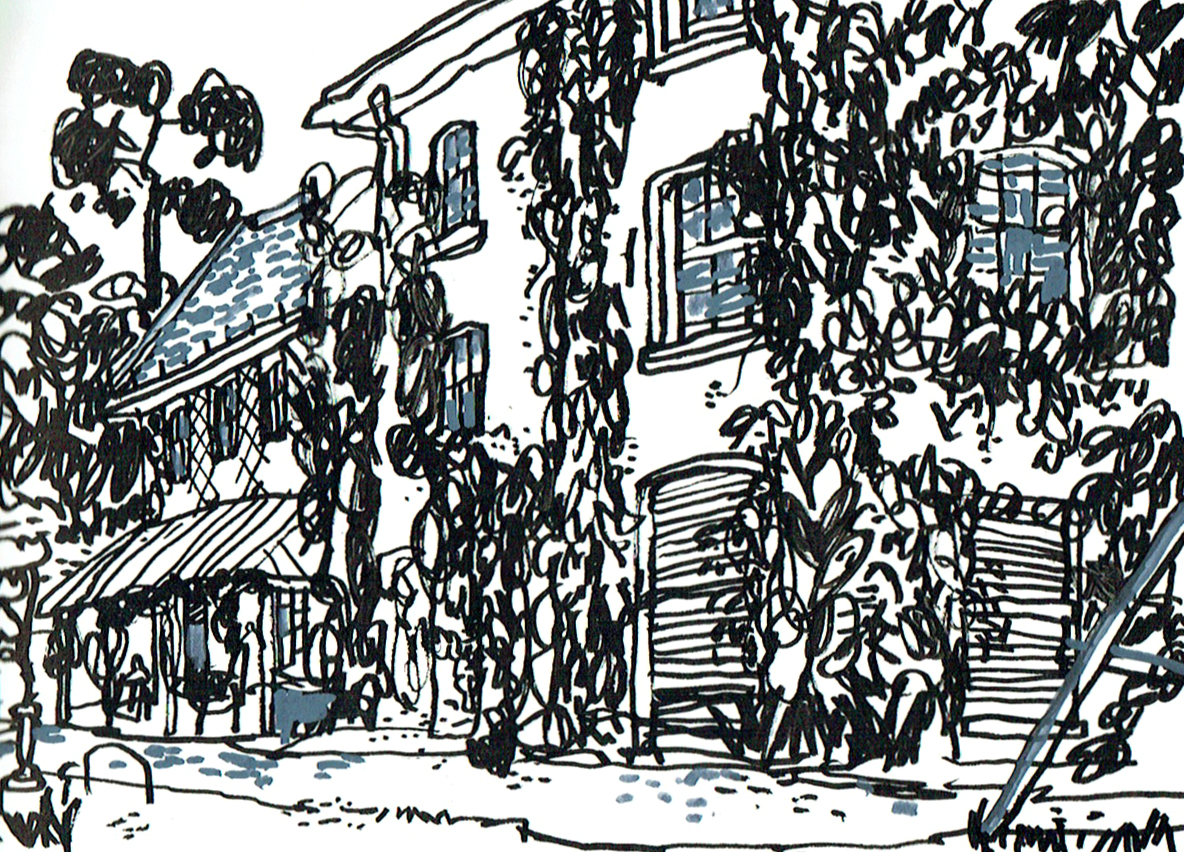
Image: Sketch of Charles Darwin's house CC BY-NC-SA James Hobbs